HbA1c shows your average blood sugar over the past two to three months,
not just today. That is why you do not need to fast for it.
 Written and medically reviewed by Dr. Lena Hoffmann, Endocrinology
The HbA1c normal range is the band your result is compared against when a doctor checks your long-term blood sugar. In the UK, Diabetes UK describes a normal level as below 42 mmol/mol. In the US, MedlinePlus, the CDC and the NIH describe normal as below 5.7%. Your lab report shows the range your lab uses, so start there.
HbA1c normal range, prediabetes and diabetes levels
not just today. That is why you do not need to fast for it.
Diabetes UK puts prediabetes at 42 to 47 mmol/mol. US sources put it at 5.7% to 6.4%.
is in the range used to diagnose diabetes, according to the NHS. A doctor will usually confirm it with a second test.
Sugar (glucose) in your blood sticks to haemoglobin, the protein inside your red blood cells. The more sugar there has been in your blood, the more of your haemoglobin ends up coated with it.
MedlinePlus explains that the test measures the percentage of your red blood cells that have glucose-coated haemoglobin. Because red blood cells live for a few months, the result reflects your average blood sugar over the past two to three months.
That is the big difference between HbA1c and a finger-prick or fasting glucose test. A glucose test is a snapshot of one moment. HbA1c is more like a long exposure photograph. A single sweet breakfast will not move it much. Weeks of higher blood sugar will.
You may see the test called HbA1c, A1C, haemoglobin A1c or glycated haemoglobin. They all mean the same thing.
In the US, NIDDK notes that your A1C can also be turned into an estimated average glucose (eAG) in mg/dL, the unit many home glucose meters use. It will not match your daily readings exactly, because it is a long-term average.
Once diabetes has been diagnosed, HbA1c becomes a way to track how things are going over time. Here the numbers are targets rather than diagnostic lines, and your care team will often set one just for you.
Diabetes UK says the ideal HbA1c for most people with diabetes is 48 mmol/mol (6.5%) or below, though your team may set a different personal target. It also says targets may be raised for older people.
NIDDK says keeping A1C below 7% can lower the risk of complications for some people. It also says a stricter target is not always safe, for example if it leads to low blood sugar episodes. A less strict target of 7% to 8%, or sometimes higher, may suit people with long-standing diabetes that is hard to control, frequent or unnoticed lows, advanced complications or limited life expectancy.
So if you have diabetes and your result sits above 48 mmol/mol, that does not automatically mean something is wrong. Your target is the one you agreed with your doctor or nurse.
A higher HbA1c means your blood sugar has, on average, been higher over recent months. What that means for you depends on the number, on your history and on what else your doctor knows.
For most people without diabetes, a result below the normal cut-off is simply in the normal range. The sources here do not set a lower line for people who do not have diabetes.
If you do have diabetes, a very low HbA1c is not always good news. NIDDK notes that aiming too low can be unsafe if it brings on hypoglycaemia (low blood sugar). If your HbA1c has dropped a lot and you have been having lows, tell your care team.
A low result can also be a false low. Some of the factors in the next section, such as recent blood loss or a transfusion, change how long red blood cells live and can pull the number down.
HbA1c is one of the most common blood tests there is. It is used to look for prediabetes and type 2 diabetes, and to keep an eye on diabetes once it has been found. You do not need to fast for it.
This page walks you through what the test measures, the ranges UK and US sources use, what can push the number up or down, and what you can do next. It will not tell you what your own result means. Only the doctor who ordered your test can do that.
Here are the bands used by the sources below. UK labs mostly report HbA1c in mmol/mol. US labs mostly report it as a percentage. Your lab report shows the range your lab uses, and that range is the one your doctor will look at.
| Band | mmol/mol (UK) | % (US) |
|---|---|---|
| Normal | Below 42 | Below 5.7% |
| Prediabetes | 42 to 47 | 5.7% to 6.4% |
| In the diabetes range | 48 or above | 6.5% or above |
mmol/mol bands: Diabetes UK (normal below 42, prediabetes 42 to 47) and NHS (48 mmol/mol or over, or 6.5%). Percentage bands: MedlinePlus, CDC and NIDDK. The UK and US do not draw the lower prediabetes line in exactly the same place: Diabetes UK gives 42 mmol/mol as 6%, while US sources start prediabetes at 5.7%. MedlinePlus says these ranges are a guide, and what is normal for you can depend on your health, age and other factors. A fasting glucose test is read differently: see the fasting blood sugar normal range.
HbA1c depends on your red blood cells and your haemoglobin. Anything that changes those can make the number less reliable. The sources list these:
Fasting: NIDDK says you do not need to fast for HbA1c. You can eat and drink as normal beforehand.
How often you are tested depends on your risk and on whether you already have a diagnosis. Here is what the sources say.
Type 2 diabetes often has no symptoms at first. The NHS says not everyone with it has symptoms, so it is important to get checked if you are at higher risk.
If your HbA1c is in the prediabetes range, you have time. These are steps the sources recommend. Talk them through with your doctor first, especially if you have other conditions.
Diabetes UK says your GP should refer you to a type 2 prevention course or advice. In the US, the CDC says its National Diabetes Prevention Program can lower your risk of type 2 diabetes by 58%, or 71% if you are over 60.
The CDC suggests at least 150 minutes a week of brisk walking or similar activity. That is about 30 minutes a day, 5 days a week.
If you are overweight, the CDC says losing around 5% to 7% of your body weight can help. The type 2 diabetes risk test shows which of your habits and history matter most.
Agree a date for your next HbA1c with your doctor so you can see whether the number is moving.
ONU does not sell lab tests, and it does not interpret your results. Your doctor does that, and we think it should stay that way. ONU is a wellness product, not a medical device.
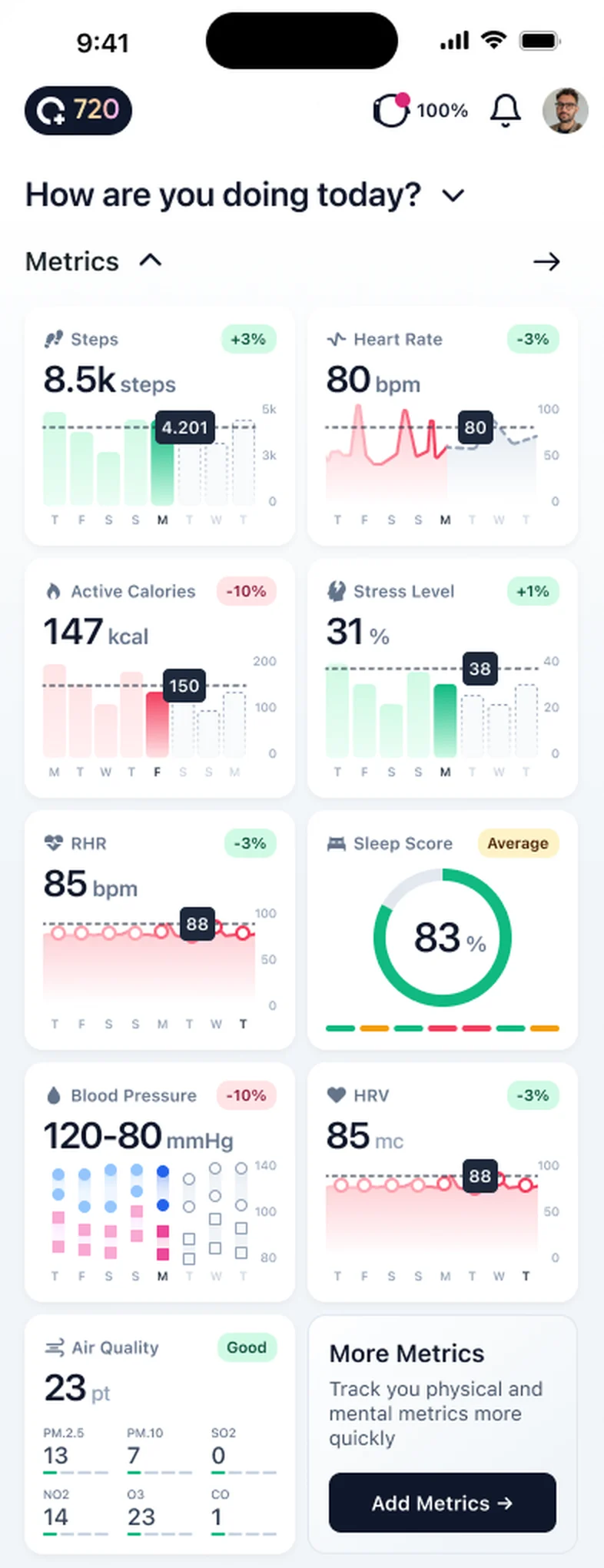
What ONU can do is keep your numbers in one place. In the ONU app for iPhone, you can upload the lab reports you already have and store them. Your HbA1c then sits next to your daily ONU Score and your sleep, recovery and activity trends, so you can look back over months instead of hunting through emails and paper.
If you want a starting point before your next appointment, try the free type 2 diabetes check. It ends with a summary you can take to your doctor. For more on reading the rest of your report, see blood test results explained or the full blood markers guide.
The person who ordered your test should talk you through the result and what happens next. The NHS says that if your results are unclear, you can ask a healthcare professional to explain them.
See a GP or doctor if you think you may have type 2 diabetes, if you are at higher risk and have never been tested, or if your result was in the prediabetes or diabetes range and nobody has followed up. If you had a test at a pharmacy or health fair, the CDC says follow up with your doctor, who may retest you.
Get urgent help. The NHS says call 999 or go to A&E if you think you have high blood sugar and you are being sick or have stomach pain, are breathing faster or your heart is racing, feel very drowsy, have breath that smells fruity, are confused, or have high ketones. Do not drive yourself. Outside the UK, call your local emergency number.
Bring your everyday signals and health information into a clearer picture.