The test measures folate (vitamin B9) in your blood
MedlinePlus says it is often done with a vitamin B12 test.
 Written and medically reviewed by Dr. Arup Sen, Consultant physician, internal medicine
The folate blood test meaning is simple at heart: it shows how much folate, also called vitamin B9 or folic acid, is in your blood. MedlinePlus gives a typical range of 2.7 to 17.0 ng/mL, or 6.12 to 38.52 nmol/L. Your lab report shows the range your lab uses, so read your number against that first.
Typical folate ranges, with units
MedlinePlus says it is often done with a vitamin B12 test.
Labs vary, and some use different units or samples.
where red blood cells are too large and do not work properly (NHS, NIH Office of Dietary Supplements).
Folate is a B vitamin found naturally in food. Folic acid is the form added to fortified foods and used in supplements. MedlinePlus says folate helps the body make healthy new cells.
The test measures the amount of folate in your blood. MedlinePlus says it checks for folate deficiency and may be used when looking into anaemia, including megaloblastic anaemia, which can be caused by low folate or low B12.
Because the two vitamins can cause the same kind of anaemia, MedlinePlus says B9 and B12 are often measured together. You can read about B12 on our vitamin B12 page.
Your doctor may order this test if a full blood count shows larger than normal red blood cells, if you have symptoms of anaemia, or if you are in a group more likely to run low.
A low result means there is less folate in your blood than your lab expects. MedlinePlus says low levels may point to a poor diet, a malabsorption condition such as coeliac disease, or malnutrition. It says low levels may lead to more tests to find the reason.
Causes and risk factors the sources name:
The NIH Office of Dietary Supplements says folate deficiency can cause megaloblastic anaemia. That can bring:
The NHS lists extreme tiredness, a sore red tongue, mouth ulcers, muscle weakness, and changes in mood and memory as symptoms of B12 or folate deficiency anaemia.
The NIH Office of Dietary Supplements says low folate in women raises the risk of neural tube defects such as spina bifida. It may also increase the chance of a premature or low birth weight baby.
It advises that women and teen girls who could become pregnant get 400 mcg of folic acid a day from supplements, fortified foods or both, in addition to the folate in a healthy diet. It gives the reason: about half of pregnancies are unplanned, and folic acid before and in early pregnancy helps prevent neural tube defects.
A normal blood folate result does not replace this advice. If you are planning a pregnancy or could become pregnant, ask your doctor or pharmacist about folic acid.
Folate helps your body make healthy new cells, including red blood cells. If you run low, you can develop a type of anaemia that leaves you tired and short of breath. It also matters a great deal before and during early pregnancy.
This page explains what the test measures, what low and high results can mean, what can affect them and what you can do. It explains the marker in general. It does not interpret your own result.
This is the range MedlinePlus gives. Your lab report shows the range your lab uses, and that is the one your result should be read against.
| Result | ng/mL | nmol/L | Source |
|---|---|---|---|
| Normal range | 2.7 to 17.0 | 6.12 to 38.52 | MedlinePlus |
Source: MedlinePlus (Folic acid test). MedlinePlus says ranges can vary slightly between labs, and some labs use different units or test different samples. Its vitamin B test page adds that experts are not certain of normal levels for some B vitamins.
The MedlinePlus folic acid test page does not describe what a high result means. MedlinePlus says in general that very high levels of B vitamins can cause health problems or point to an underlying condition.
Supplements and fortified foods can raise your level. The NIH Office of Dietary Supplements says folate from natural food is not considered harmful. For folic acid from supplements and fortified foods, it sets an upper limit of 1,000 mcg a day for adults.
The bigger concern is B12. The NIH Office of Dietary Supplements says large doses of folic acid can correct the anaemia caused by B12 deficiency without fixing the nerve damage. That can delay a B12 diagnosis. So if you take folic acid, your doctor may want your B12 checked too.
The NHS says folate deficiency anaemia is usually treated with folic acid tablets, often for about 4 months. Your doctor will tell you the dose and how long. Everyday steps you can talk about with them:
The NHS names green vegetables such as broccoli, brussels sprouts and peas. The NIH Office of Dietary Supplements adds asparagus, spinach, oranges, beans, black-eyed peas and peanuts.
The NIH Office of Dietary Supplements lists enriched bread, pasta and rice and fortified breakfast cereals as sources of folic acid.
The NIH Office of Dietary Supplements gives 400 mcg DFE a day for adults, 600 mcg DFE in pregnancy and 500 mcg DFE when breastfeeding.
Alcohol use disorder is a risk factor for low folate, and alcohol can lower folate measurements. Cutting back helps your overall health.
Because folic acid can hide a B12 problem, ask whether your B12 has been tested before you start a high-dose supplement.
See your GP or doctor if your folate is outside your lab's range and nobody has talked it through with you, if you have symptoms of anaemia, or if you are planning a pregnancy and want advice on folic acid. The NHS says B12 or folate deficiency should be diagnosed and treated as soon as possible.
The NHS says adults with severe anaemia are at risk of heart failure. If you have chest pain that feels tight or squeezing, or severe difficulty breathing, the NHS says call 999. Outside the UK, call your local emergency number.
ONU does not sell lab tests and does not interpret your results. ONU is a wellness product, not a medical device.
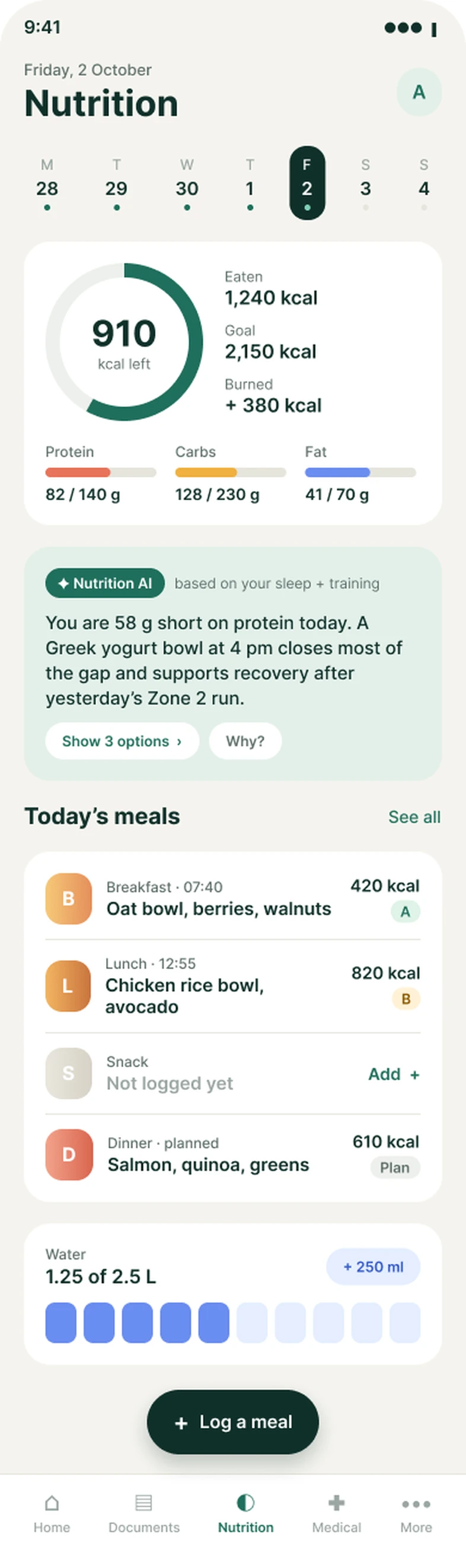
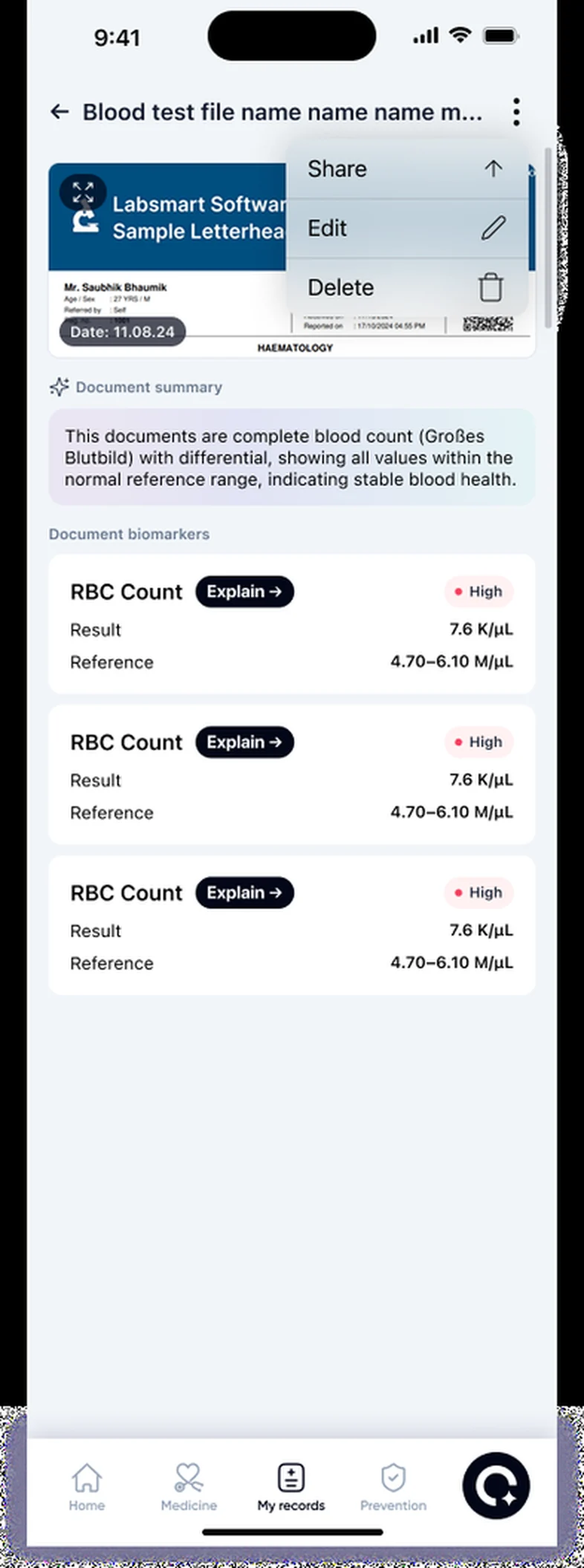
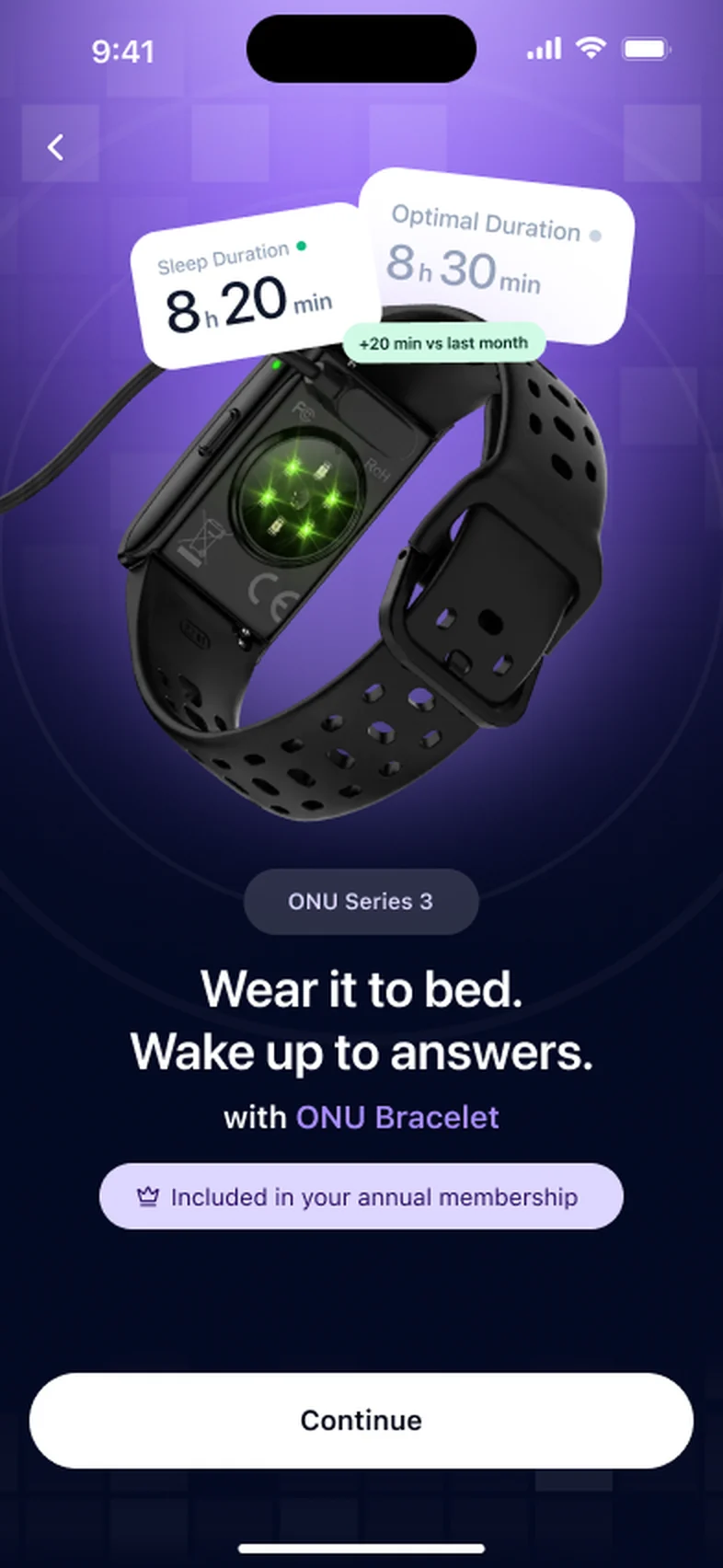
In the ONU app for iPhone, you can upload your lab reports and keep them in one place. Your folate result then sits next to your daily ONU Score and your sleep, recovery and activity trends, so a few months of treatment and a follow-up test are easy to look back on.
Low folate is one cause of anaemia. Try the free anaemia check, which ends with a summary to take to your doctor. See also haemoglobin, ferritin and blood test results explained.
Bring your everyday signals and health information into a clearer picture.