

Lipoma symptoms: a checklist for describing a lump
 Written and medically reviewed by Dr. Arup Sen, Consultant physician, internal medicine
Typical lipoma symptoms are a soft lump under the skin that moves when pressed. This checklist helps you describe a lump before you show it to a doctor, who is the one to confirm what it is.
A lipoma is a benign growth of fat cells under the skin: soft, mobile, slow-growing and painless. They are common, often multiple, and frequently run in families. The features that argue against a lipoma — rapid growth, hardness, fixation, pain, size beyond about five centimeters — are exactly the ones worth reporting.
Worth answering if you have found a soft lump and want to describe it precisely to a doctor.
- A soft lump under the skin that moves when you press it
- Growing slowly over months or years, if at all
- Painless, and no change to the skin over it
- Often more than one, and often in the family
- Most commonly on the trunk, shoulders, neck, arms or thighs
Any lump that is growing quickly, hard, fixed in place or painful should be examined, whatever this questionnaire returns.
Three steps, in the order a clinician takes them.
- 1
Most of this is settled by examination
Soft, mobile, well-defined, painless, slow-growing, with normal skin over it — a clinician can usually recognize a lipoma by feel, and no further test is needed.
- 2
Imaging when a feature does not fit
Ultrasound or MRI when a lump is large, deep, firm, fixed, painful or growing quickly. Those features are the ones that need excluding something else, and they are exactly what is worth reporting.
- 3
Removal is a choice, not usually a necessity
A lipoma is benign, so removal is for discomfort, pressure on something, or appearance. Where the diagnosis is uncertain, it is removed to be examined rather than watched.
You walk away with a page you can hand over.
Under a minute. It asks about your history only, scores it the way the source document scores it, and gives you the answers back as something worth mentioning, worth bringing and worth asking — in a file you can download. It is not a diagnosis, and it does not predict anything.
Take the questionnaire- How long it has been there, and whether it has changed size
- Whether it hurts, and whether it moves when you press it
- A photograph with something for scale beside it
- Whether anyone else in the family gets them
Educational information to prepare a conversation with your doctor. ONU does not diagnose, predict or prevent disease.
The lipoma questionnaire
Four questions about your history and three about activity. Lipomas are benign fatty lumps; this is about the pattern the model associates with them, not about any individual lump.
- A few short questionsabout you and your routine
- Under a minute.to finish
- Nothing savedanswers stay in this tab
This is the questionnaire domain of ONU’s own model, not a diagnosis and not a probability. A lipoma is confirmed by examination, and imaging where needed, not by a set of questions.
Straight answers, including the awkward ones.
How do I tell a lipoma from something worth worrying about?
You do not have to, and that is the point of getting it looked at. The features that argue against a simple lipoma are rapid growth, firmness, being fixed in place, pain, size beyond about five centimeters, and skin changes over it. Any of those and it should be examined and probably imaged.
Are lipomas cancerous?
No, lipomas are benign growths of fat cells. A rare malignant tumor of fat tissue, liposarcoma, can resemble one, which is why a lump that is deep, large, firm or growing quickly is imaged rather than assumed.
Do lipomas need removing?
Usually not. They are removed when they are uncomfortable, press on something, catch on clothing, bother you to look at, or when the diagnosis is not certain. Leaving a confirmed lipoma alone is a legitimate choice.
Do they come back?
A completely removed lipoma rarely returns in the same place, though people who get one often get others elsewhere. That is the pattern this questionnaire asks about.
One domain of a larger model.
This is one of four domains. The others — eight blood markers, two body measurements and a sex term — need results a clinician interprets, so the full score cannot be produced here.
Questionnaire source: Lipomas.docx — questionnaire domain, negative and positive impact
Independent health information: NHS: Lipoma. This source explains the condition; it does not validate the questionnaire as a diagnostic test.

Weight and metabolic health
Weight on its own explains very little. Alongside movement, sleep and what you eat, it starts to describe something useful.
Read the area
Ascites
Worth answering if your abdomen has been swelling, if you have a known liver condition, or if you are preparing for an appointment about either.
Open the check
Jaundice
Worth answering if you or someone you look after has noticed yellowing, dark urine or pale stools, and wants to arrive at an appointment with the history already straight.
Open the check
Crohn’s disease
Worth answering if you have had months of abdominal pain, diarrhea, weight loss or fatigue and are trying to describe it accurately to a clinician.
Open the checkA questionnaire is a snapshot. A night is not.
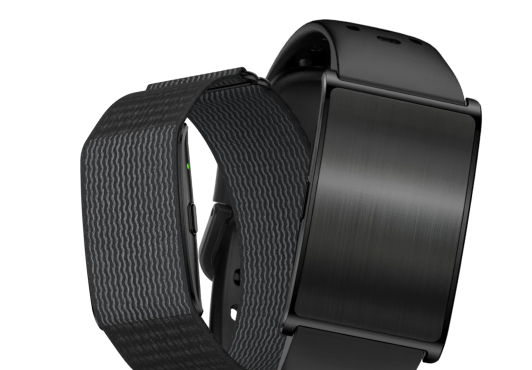
This was your history, written down once. The bracelet is the part that keeps watching — sleep, resting heart rate, temperature and movement, night after night, in one place.
Key takeaways
Typical lipoma symptoms are a soft, doughy lump under the skin that moves slightly when you press it, grows slowly and usually does not hurt. The NHS describes lipomas as soft, fatty lumps that are harmless and usually need no treatment, but advises seeing a GP about any lump on your body. The questionnaire above helps you describe a lump and your history before a doctor examines it.
- Lipomas are common and can appear almost anywhere, most often on the shoulders, chest, arms, back, buttocks or thighs.
- A lump that is painful, red or warm, hard, fixed in place, or getting bigger should be checked, the NHS says.
- A GP can usually tell whether a lump is a lipoma by examining it, and may arrange a scan if there is doubt.
- Most lipomas are left alone. Removal is usually for lumps that grow or cause problems.
- The questionnaire is the seven-question history domain of ONU’s lipoma model. It cannot tell you what a particular lump is.
What a lipoma is
A lipoma is a benign growth of fat cells, usually sitting just under the skin and wrapped in a thin capsule. That capsule is why it feels distinct from the tissue around it and why it can slide a little under your fingers.
Lipomas are not cancer and do not turn into cancer in ordinary circumstances. Some people have one; others have several. ONU’s model calls the condition with multiple lipomas lipomatosis, and it often runs in families. The NHS notes that, in rare cases, lumps under the skin can be a sign of something more serious, which is the reason every new lump deserves one proper look.
Lipoma symptoms and how they show up
The NHS describes lipomas as soft and doughy, from pea-sized to a few centimetres across, slightly mobile when pressed, usually painless and slow-growing. In practice people notice them like this:
- Found by accident. Washing, drying off with a towel, or someone else noticing a bump on your back or shoulder.
- Soft and rubbery. It feels like firm dough rather than bone or a pea-hard knot.
- Moves when pushed. It slides slightly under the skin rather than feeling anchored.
- No change in the skin over it. The skin looks normal, not red, dimpled, ulcerated or discolored.
- Changes slowly, if at all. Over months or years, rather than weeks.
- Tender only with pressure. A lipoma under a waistband, bra strap or backpack strap can ache when pressed. Pain without pressure is one of the features ONU’s source document says to report.
Lipoma symptoms are reassuring when they all fit. The features that do not fit are the ones to bring to a doctor first.
Lipoma vs cyst, and other lumps under the skin
The lump most often confused with a lipoma is a skin cyst. The NHS describes the two like this. Neither description replaces an examination, and the NHS advises seeing a GP about any lump you are not sure of.
| Feature | Lipoma | Skin cyst |
|---|---|---|
| How it feels | Soft and squishy, and may move slightly under the skin when you press it | A round lump just under the skin |
| Size | From the size of a pea to a few centimetres across | From smaller than a pea to several centimetres across |
| On the surface | Nothing to see on the skin | Sometimes a small, dark spot in the middle |
| What is inside | Fat | Often fluid or pus |
| Pain | Not usually painful | Can become sore and red if it gets infected |
| Growth | Grows slowly | Grows slowly |
Other lumps can feel similar too. Swollen lymph nodes appear in the neck, armpit or groin, often after an infection, and usually settle within a few weeks. An abscess is red, warm and painful. A hernia is a bulge, often in the groin or near the belly button, that can get bigger when you cough or strain. Rarely, a soft-tissue cancer can start as a lump. The features that make a doctor look more closely are the ones further down this page: rapid growth, hardness, being fixed in place, pain, skin changes over the lump, and size above about five centimetres.
Who is more likely to develop lipomas
ONU’s lipoma model weighs these factors. The questionnaire covers the first five; body measurements, blood markers and a sex term (the model counts men more than women) need a clinician.
- Family history of lipomatosis. The source document offers grandparent, aunt or uncle and “don’t know” as answers but no option for a parent or sibling. ONU has flagged that gap for review rather than adding an answer the document does not contain.
- Smoking, scored from never to daily.
- Alcohol, scored from never to daily.
- A history of trauma to the area.
- Activity and weight. Days of moderate activity, strength training, and weight change over the last three to six months. More activity lowers the score in the source document.
How doctors confirm a lipoma
Examination
The NHS says a GP will usually be able to tell if a lump is a lipoma by examining it: how it feels, whether it moves, its size and the skin over it.
A scan if there is doubt
If the lump is unusual, large, deep or growing, the GP may refer you for a scan to confirm the diagnosis. Ultrasound is often the first choice.
Laboratory check after removal
If a lipoma is removed, the NHS says the tissue may be sent to a laboratory to confirm it is a lipoma.
What this questionnaire does and does not tell you
Seven questions: four about history and three about activity and weight. Scores run from minus 16 to plus 15 as the source document scores them. The document’s bands are minus 16 to 5 low, 4 to 14 medium, and 15 to 55 high. Two things follow from that. Scores of 4 and 5 sit in two bands at once, and the result says so instead of choosing. And the high band starts at 15, the highest score this questionnaire can reach, because the band was written for the full model.
It is one of four domains. The others, eight blood markers, two body measurements and a sex term, need a clinician. Most importantly, the score is about a pattern of history, not about the lump you can feel. Only an examination answers the question you probably came with.
Preparing for the appointment
Measure and photograph it
Note roughly how big the lump is, using a ruler or comparing it with a coin, and take a dated photo. Repeat in a few weeks if you are waiting. Growth is the single most useful thing to document.
Note how it feels
Soft or hard, moving or fixed, painful or not, and whether pain comes only when pressed.
Count them
If you have more than one, note where each is. Several lipomas, or lipomas in relatives, is useful history.
Mention any injury
A knock or injury in the same area before the lump appeared. The model counts trauma.
What usually happens next
The NHS says lipomas are harmless and usually do not need removing, and that the NHS will only remove one if it is growing or causing problems because of where it is. Private clinics offer removal for a fee, which the NHS notes may be expensive; a GP can advise on where to get treatment.
If you live with a lipoma, ONU’s source document suggests practical steps: a quick check for new discomfort or a lump becoming more noticeable while dressing or showering; comfortable clothing that avoids tight waistbands or straps over the lump; and, if you exercise, no need to stop, but padding or a change of movement to avoid direct pressure, and stopping any movement that causes pain at the site. If activity or weight is part of your pattern, our weight check covers that area.
When to see a doctor sooner
The NHS advises seeing a GP if a lump is painful, red or warm, hard, does not move when pressed, or is getting bigger. ONU’s source document lists the same group of features to act on: rapid growth, pain without pressure, hardening or becoming fixed in place, skin changes over the lump, and size above about five centimetres or suddenly increasing. Book an appointment promptly if any apply. A lump with fever, spreading redness or pus may be an infection and needs to be seen the same day.
Questions people ask
- Can a lipoma hurt?
- Most do not. Some ache when pressed, for example under a strap or waistband. Pain without pressure is one of the features ONU’s source document says to report to a doctor, and the NHS advises seeing a GP about a painful lump.
- How fast do lipomas grow?
- The NHS describes them as slow-growing. A lump that has clearly grown over a few weeks does not fit the usual pattern and should be examined promptly.
- Can exercise make a lipoma worse?
- There is no need to avoid exercise in general, according to ONU’s source document. If a lipoma sits where equipment presses on it, padding or a change of movement can help, and you should stop any movement that causes pain at the site.
- Why does the questionnaire ask about smoking and alcohol?
- Because ONU’s lipoma model counts both, scored from never to daily. The model does not claim that either causes a particular lump. The questions describe the pattern of history the model weighs.
- What is lipomatosis?
- ONU’s source document defines lipomatosis as the condition of having multiple lipomas. It often runs in families. If you have several lumps, note where each one is and whether any is changing.
- Can I just watch it at home?
- Not for a new lump. The NHS advises seeing a GP about any lump on your body. Once a doctor has confirmed a lipoma, keeping an eye on it and reporting changes is usually what follows.