

Ascites symptoms: a questionnaire to prepare for your doctor
 Written and medically reviewed by Dr. Arup Sen, Consultant physician, internal medicine
If you are worried about ascites symptoms such as a swollen, tight abdomen, this short questionnaire helps you describe what you have noticed before an appointment.
Ascites is fluid collecting in the abdominal cavity. It is most often a consequence of liver disease, but heart failure, kidney disease and some cancers cause it too. It is usually noticed as a waistband that stops fitting, or as swelling that arrives over weeks rather than hours.
Worth answering if your abdomen has been swelling, if you have a known liver condition, or if you are preparing for an appointment about either.
- A waistband or belt that has stopped fitting over weeks, with no change in what you eat
- A feeling of fullness or pressure, worse after meals
- Swelling in the ankles at the same time
- Getting breathless lying flat, or needing more pillows
- Weight climbing faster than food alone would explain
New or rapidly worsening abdominal swelling, especially with fever, breathlessness or confusion, is a same-day matter for a doctor, not a questionnaire.
Three steps, in the order a clinician takes them.
- 1
The history comes first
How quickly the swelling arrived, whether the ankles swelled too, what you drink, what medicines you take, and any known liver, heart or kidney condition. Most of the narrowing-down happens here, before any test.
- 2
Then an examination and an ultrasound
A clinician can often detect fluid by examining the abdomen, and an ultrasound both confirms it and looks at the liver. It is quick and painless.
- 3
Then blood tests, and sometimes a sample of the fluid
Liver and kidney bloods, clotting and albumin. Where the cause is not obvious, a small sample of the fluid is drawn with a needle and analyzed — that is what distinguishes the causes from one another.
You walk away with a page you can hand over.
About a minute. It asks about your history only, scores it the way the source document scores it, and gives you the answers back as something worth mentioning, worth bringing and worth asking — in a file you can download. It is not a diagnosis, and it does not predict anything.
Take the questionnaire- When you first noticed the swelling, and how fast it has changed
- Your weight now and, if you know it, a few weeks ago
- Every medicine and supplement, including anything bought over the counter
- An honest account of alcohol, because it changes what gets tested first
Educational information to prepare a conversation with your doctor. ONU does not diagnose, predict or prevent disease.
The ascites questionnaire
Nine questions about liver, heart and kidney history. Ascites — fluid collecting in the abdomen — almost always follows something else, and these are the conditions the model weighs.
- A few short questionsabout you and your routine
- a minute.to finish
- Nothing savedanswers stay in this tab
This is the questionnaire domain of ONU’s own model, not a diagnosis and not a probability. Ascites is confirmed by examination and imaging, not by a set of questions.
Straight answers, including the awkward ones.
Is ascites the same as bloating?
No. Bloating comes and goes over hours and is usually gas or bowel content. Ascites is fluid in the abdominal cavity, it builds over weeks, and it does not settle overnight. If the swelling is still there in the morning and is getting worse week by week, it needs a clinician rather than a diet change.
Does ascites always mean liver disease?
No. Liver disease is the most common cause, but heart failure, kidney disease, infection and some cancers all produce ascites, and the treatment differs completely. That is why the cause is established rather than assumed — usually with an ultrasound and a sample of the fluid.
How urgent is it?
New abdominal swelling should be seen within days, not months. Swelling with fever, sudden severe abdominal pain, breathlessness or confusion is a same-day matter — those can indicate infection of the fluid or a decompensating liver.
Can this questionnaire tell me whether I have it?
No, and it does not try to. It is the self-answerable history domain of a risk model, transcribed as written. It organizes what you have noticed into something a clinician can work from quickly. Ascites is confirmed by examination and imaging, never by a questionnaire.
One domain of a larger model.
This is one of two domains. The other is eleven blood markers a clinician interprets, so the full score cannot be produced here.
Questionnaire source: Ascites.docx — questionnaire domain, negative impact
Independent health information: NIDDK: Symptoms and causes of cirrhosis. This source explains the condition; it does not validate the questionnaire as a diagnostic test.

Weight and metabolic health
Weight on its own explains very little. Alongside movement, sleep and what you eat, it starts to describe something useful.
Read the area
Heart and circulation
Cardiovascular risk is the most studied prevention area in medicine — and the one where a made-up number does the most harm.
Read the area
Jaundice
Worth answering if you or someone you look after has noticed yellowing, dark urine or pale stools, and wants to arrive at an appointment with the history already straight.
Open the check
Crohn’s disease
Worth answering if you have had months of abdominal pain, diarrhea, weight loss or fatigue and are trying to describe it accurately to a clinician.
Open the check
Ulcerative colitis
Worth answering if you have had weeks or months of bloody or urgent diarrhea and want the history in one place before a referral.
Open the checkA questionnaire is a snapshot. A night is not.
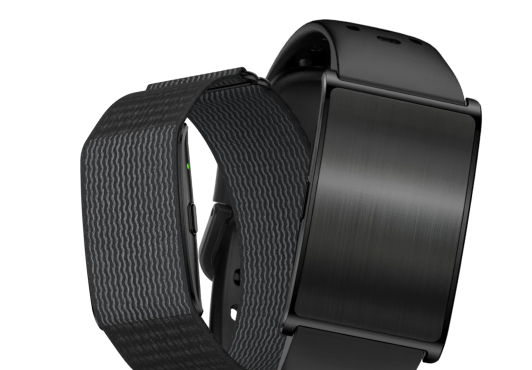
This was your history, written down once. The bracelet is the part that keeps watching — sleep, resting heart rate, temperature and movement, night after night, in one place.
Key takeaways
Ascites symptoms tend to arrive slowly: a waistband that stops closing, a tight or heavy belly, and weight that climbs faster than your eating explains. Ascites is fluid collecting inside the abdomen, and it is a sign that something else is going on, most often in the liver, sometimes in the heart, kidneys or elsewhere. The questionnaire above helps you set out the history. The cause is found by a clinician.
- Ascites is a sign, not a diagnosis. The useful question is always what is causing it.
- Swelling that is still there in the morning and grows week by week deserves an appointment within days.
- A swollen abdomen with fever, new pain, confusion, vomiting blood or black stools is a same-day emergency.
- The questionnaire covers nine history questions from one domain of ONU’s ascites model. The other domain is blood work that a clinician interprets.
- Bring a timeline, your weight, your medicines and an honest alcohol history. Those four things shorten the appointment.
What ascites is
Your abdominal organs sit in a space lined by a thin membrane. Normally there is only a trace of fluid there. In ascites, fluid builds up in that space, sometimes a little, sometimes several litres, and the belly swells outwards and feels firm rather than soft.
The US National Institute of Diabetes and Digestive and Kidney Diseases (NIDDK) lists “swelling of the abdomen from a buildup of fluid, called ascites” among the symptoms that appear as cirrhosis worsens. That is the most common route to ascites, which is why so much of the questionnaire is about the liver. But it is not the only route. The ONU ascites model also weighs heart disease, nephrotic syndrome (a kidney condition that lets protein leak into the urine), blood disorders and cancers of the liver and digestive tract, because each of these can produce the same swelling.
This is why ascites is described as a sign rather than a disease. Two people can have the same swollen abdomen and need completely different treatment. Naming the cause is the whole point of the appointment.
Common ascites symptoms and how they show up
Most people do not notice “fluid”. They notice what the fluid does to clothes, meals, breathing and the scales. Here is how ascites symptoms usually show up in ordinary life:
- Clothes first. Trousers that fitted a month ago now need the top button undone, or you have moved a notch on your belt without changing how you eat.
- A tight, heavy belly. The swelling feels firm and stretched rather than soft, and it does not go down overnight the way gas bloating often does.
- Full quickly. You feel full after a few mouthfuls, or uncomfortable after a normal meal, because the fluid presses on the stomach.
- Weight going up while you look thinner elsewhere. The scales rise, yet your arms, shoulders or face may look leaner. NIDDK lists muscle loss and poor appetite among early cirrhosis symptoms, so this mismatch is worth mentioning.
- Swollen ankles or feet. NIDDK lists swelling of the lower legs, ankles or feet (edema) alongside ascites as liver function worsens.
- Breathless lying flat. A large amount of fluid can push up against the diaphragm, so you may need more pillows or find it easier to sleep propped up.
- Other liver signs alongside. Itching, yellowing of the eyes or skin, dark urine, easy bruising or bleeding, and confusion or sleep changes are listed by NIDDK as signs of advancing liver damage. If any of these sit next to a swelling belly, tell the clinician at the start.
What else can cause a swollen abdomen
Plenty of things make a belly look or feel bigger, and most of them are not ascites. The difference is mostly in timing and in how the swelling behaves.
Gas and bloating come and go within a day, often follow meals, and usually ease by the morning. Constipation tends to come with fewer, harder stools and settles once the bowel empties. Gaining fat around the waist happens over months and feels soft. Pregnancy, a large cyst or another growth in the pelvis can also enlarge the abdomen, and so can an enlarged organ.
Ascites differs in that it is usually steady or worsening, often feels tense, and frequently arrives with other signs from the list above. You cannot reliably tell these apart by looking in the mirror, and neither can a questionnaire. A clinician can often detect fluid by examining you, and an ultrasound settles the question.
If the swelling comes with yellow eyes or skin, the jaundice questionnaire covers that history too. Long-lasting itch with tiredness points to the primary biliary cholangitis questionnaire.
Who is more likely to develop ascites
Ascites follows other conditions, so the people most likely to develop it are people who already have, or have had, one of them. The questionnaire on this page asks about the history that ONU’s ascites model counts:
- Viral hepatitis. NIDDK names long-term hepatitis B or C infection as one of the most common causes of cirrhosis.
- Alcohol. Alcohol-associated liver disease is another of the most common causes NIDDK lists. The model scores drinking from never to daily.
- A liver scan that showed something significant. Previous ultrasound findings in the liver count in the model.
- Liver cancer, or a cancer elsewhere in the digestive tract, such as the stomach, pancreas or intestines.
- Heart disease, including the valve and pulmonary artery conditions the model gives as examples, and significant findings on an echocardiogram (a heart ultrasound).
- Nephrotic syndrome.
- Blood disorders such as polycythemia or thrombocythemia, conditions in which the blood makes too many red cells or platelets.
Liver causes worth knowing about
Because the liver is the usual starting point, it helps to know what damages it. NIDDK lists alcohol, fatty liver disease and long-term hepatitis B or C as the most common causes of cirrhosis, and notes that some people have more than one. Fatty liver is more common in people with overweight, obesity, metabolic syndrome or type 2 diabetes. Less common causes include autoimmune hepatitis, diseases of the bile ducts such as primary biliary cholangitis, inherited conditions such as hemochromatosis and Wilson disease, some long-term medicines, high daily doses of vitamin A, and chronic heart failure that congests the liver.
NIDDK also notes that you may have no symptoms in the earliest stage of cirrhosis. That is why a past liver blood test or scan result is worth bringing even if you felt well at the time. If weight or type 2 diabetes is part of your history, our weight and type 2 diabetes checks cover those areas separately.
How doctors confirm ascites and find the cause
The work happens in three layers, and each one narrows the field.
History and examination
How fast the swelling came, whether your ankles swelled too, what you drink, what you take, and any liver, heart or kidney diagnosis. A clinician then examines the abdomen. Studies of the physical examination for ascites are part of the literature behind ONU’s model, and examination is usually the first real clue.
Ultrasound
An abdominal ultrasound confirms whether fluid is present, roughly how much, and what the liver looks like. It is quick, painless and uses no radiation.
Blood and urine tests
The biomarker domain of ONU’s model lists the tests a clinician interprets: kidney function (creatinine), liver enzymes (AST, ALT, GGT), bilirubin, a full blood count, albumin, ferritin, transferrin, a urine test and clotting tests. Together they show how the liver and kidneys are working and whether protein is being lost.
A sample of the fluid
When the cause is not clear, a doctor draws a small amount of fluid through a thin needle (a diagnostic paracentesis). Comparing the albumin in the fluid with the albumin in your blood, called the serum-ascites albumin gradient, is one of the standard ways to tell liver-related fluid from other causes. Infection and cancer cells can also be looked for in the same sample.
What this questionnaire does and does not tell you
The questionnaire above has nine questions, scored from 0 to 32 exactly as the source document scores them. The document’s bands are 0 to 1 low, 2 medium, and 3 to 32 high. It is one of two domains in the model. The other is eleven blood and urine markers, which only a clinician can read, so the full model score cannot be produced on this page.
Read the result for what it is. A high band means your history contains conditions the model weighs heavily. It does not mean you have ascites. A single yes to past viral hepatitis is worth 5 points on its own, which already lands in the high band, even if your abdomen is completely normal. The opposite is also true: a low band does not rule ascites out. If your belly is swelling, it needs examining whatever the score says.
What the questionnaire does well is organize. You leave with a summary of the history a clinician would otherwise have to draw out of you question by question, which leaves more of the appointment for the examination and the plan.
Preparing for the appointment
Write a short timeline
When you first noticed the swelling, and whether it has been steady, growing or coming and going. A photo of your profile taken today, with dates on earlier photos if you have them, can help.
Track your weight and waist
Weigh yourself in the morning, after the toilet and before breakfast, for a few days before the appointment. If you can, measure around your waist at the level of your belly button at the same time each day. Trends are more useful than a single reading.
List everything you take
Prescription medicines, anything bought over the counter, herbal remedies and supplements, including high-dose vitamin A, which NIDDK lists as a less common cause of liver damage.
Be specific about alcohol
How many drinks, how often, and for how many years. It changes which tests are done first, and it is far more useful than a rounded-down estimate.
Gather old results
Previous liver blood tests, hepatitis results, scan reports and any echocardiogram. If you keep your reports in the ONU app, have them open on your phone. ONU stores the reports you upload; it does not interpret them for a diagnosis.
What usually happens next
Treatment depends entirely on the cause, which is why the diagnosis comes first. For ascites caused by cirrhosis, the literature behind ONU’s model includes practice guidance from the American Association for the Study of Liver Diseases (Biggins and colleagues, 2021) and clinical practice guidelines from the European Association for the Study of the Liver. Those documents cover how ascites is evaluated and managed, and how two of its complications are recognized: infection of the fluid (spontaneous bacterial peritonitis) and a form of kidney failure linked to advanced liver disease (hepatorenal syndrome).
Where a lot of fluid causes discomfort or breathlessness, it can be drained through a needle, the same procedure used to take a sample but on a larger scale. When the cause is the heart, the kidneys or a cancer, the care is led by the team that treats that condition. In every case the plan, and how often you are reviewed, is something to agree with your own doctor.
When a swollen abdomen is urgent
Most new swelling should be seen within days. Some combinations should be seen today, at an emergency department or through your local emergency number:
- Swelling with fever or chills, or new pain across the abdomen
- Confusion, unusual drowsiness or personality change, which NIDDK lists among signs of worsening liver function
- Vomiting blood, or black, tarry stools
- Breathlessness at rest, or swelling that is increasing by the day
- Very little urine over a day despite drinking
If you are not sure whether something counts as an emergency, see our page on emergency information and contact a clinician. Do not wait to finish a questionnaire.
Questions people ask
- Is ascites painful?
- Usually it feels like pressure, tightness or heaviness rather than sharp pain, and it can make eating and breathing uncomfortable. New or severe pain in a swollen abdomen, especially with fever, is a reason to be seen the same day, because it can be a sign that the fluid is infected.
- Why are my ankles swollen as well?
- Swelling of the lower legs, ankles or feet often appears alongside ascites. NIDDK lists both as signs of worsening liver function, and heart and kidney problems can cause both too. Mention it, because it helps the clinician decide what to check first.
- Can I have liver disease without any symptoms?
- Yes. NIDDK notes that you may have no symptoms in the earliest stage of cirrhosis, and symptoms may not appear until the liver is badly damaged. That is why an old blood test or scan result is worth bringing, even if you felt fine when it was done.
- Can fatty liver lead to ascites?
- Fatty liver disease is one of the most common causes of cirrhosis listed by NIDDK, and ascites is one of the signs of worsening cirrhosis. Most people with fatty liver never reach that stage, but if you have it and your abdomen is swelling, say so at the appointment.
- Why does the questionnaire ask about my heart and kidneys?
- Because ascites is not only a liver problem. ONU’s model counts heart disease, significant echocardiogram findings and nephrotic syndrome, since each can lead to fluid collecting in the abdomen. Answering them helps the summary point the clinician in the right direction.
- Will ascites go away on its own?
- It depends on the cause and how it responds to treatment, and only a clinician who has examined you can say what to expect. Swelling that is growing should not be watched at home in the hope it settles.
- Can a wearable detect ascites?
- No. The ONU Bracelet tracks sleep, heart rate variability, resting heart rate, recovery and activity. It cannot detect fluid in the abdomen, and ONU is a wellness product, not a medical device. Ascites is confirmed by examination and imaging.