ALT (alanine transaminase) is a liver enzyme
MedlinePlus says damaged liver cells release it into the blood.
 Written and medically reviewed by Dr. Arup Sen, Consultant physician, internal medicine
The high ALT blood test meaning, in short: ALT is an enzyme that lives mostly in your liver, and when liver cells are damaged, more of it leaks into your blood. MedlinePlus gives a typical range of 4 to 36 U/L. Your lab report shows the range your lab uses, so read your number against that first.
MedlinePlus says damaged liver cells release it into the blood.
(0.07 to 0.60 µkat/L). Ranges vary between labs.
MedlinePlus says it is more strongly suggestive of liver disease when other liver tests are also raised.
ALT is short for alanine transaminase. MedlinePlus says ALT is found at high levels in the liver, and blood levels are normally low.
When liver cells are injured, ALT leaks out. That is why a raised level can be an early sign. MedlinePlus says some types of liver disease cause high ALT levels even before you have symptoms.
ALT is rarely tested alone. MedlinePlus says it is usually ordered with other liver tests, such as AST, ALP and bilirubin, often as part of a comprehensive metabolic panel. In the UK, this group is often called liver function tests, or LFTs.
Your doctor reads ALT alongside these other results. A raised ALT with everything else normal tells a different story from a raised ALT with a raised bilirubin.
A high ALT means more of the enzyme is in your blood than your lab expects. MedlinePlus lists these possible causes:
MedlinePlus says a high ALT does not always mean you have a condition that needs treatment, and further tests are often needed to find the cause.
Non-alcoholic fatty liver disease (NAFLD), now also called metabolic dysfunction-associated steatotic liver disease (MASLD), is a common condition where fat builds up in the liver. The NHS says it can usually be treated with healthy lifestyle changes.
The NHS says you are more likely to have it if you:
The NHS says NAFLD usually causes no symptoms. Some people feel very tired or have discomfort on the right side under the ribs. Blood sugar and blood fat markers such as HbA1c and triglycerides often come up in the same conversation.
A raised ALT often leads to a few more questions and tests, not straight to treatment. MedlinePlus says further testing is often needed to find the cause.
For suspected fatty liver, the NHS says a GP will ask about your symptoms, measure your height, weight and waist, and ask how much alcohol you drink. They may order more blood tests and sometimes an ultrasound scan, to confirm fat build-up, rule out other causes and check for liver damage.
Related tests MedlinePlus lists include AST, gamma-glutamyl transferase (GGT), a prothrombin time (PT/INR) and elastography, a scan that looks at liver stiffness. Your doctor chooses which ones make sense for you.
It helps to bring a list of every medicine and supplement you take, and an honest idea of how much you drink in a normal week. Both make the next step faster.
A raised ALT is common, and it is a clue rather than a diagnosis. It can come from fatty liver, alcohol, a virus, a medicine or something else. Many people feel completely well when it is found.
This page explains what ALT measures, what a high or low result can mean, what can affect it and what you can do next. It explains the marker in general. It does not interpret your own result.
This is the range MedlinePlus gives. Your lab report shows the range your lab uses, and that is the one your result should be read against.
| Result | U/L | µkat/L | Source |
|---|---|---|---|
| Normal range | 4 to 36 | 0.07 to 0.60 | MedlinePlus |
Source: MedlinePlus (Alanine transaminase (ALT) blood test). MedlinePlus says ranges can vary slightly between labs, and that age, sex and weight can affect ALT levels.
Low ALT is uncommon. MedlinePlus says it may suggest vitamin B6 deficiency or chronic kidney disease, which would lead to further tests. If your report flags a low ALT, ask your doctor whether it needs any follow-up.
MedlinePlus says ALT is often part of routine screening. It lists these as reasons to ask about liver testing:
What helps depends on the cause, which your doctor will look for. For fatty liver, the NHS suggests these steps.
The NHS recommends this as the first step for fatty liver.
The NHS advises at least 150 minutes of exercise a week for people with NAFLD.
The NHS says losing weight helps. NHS Better Health offers free support in the UK.
The NHS says keep to no more than 14 units a week. Your doctor may advise less, depending on the cause.
Stopping smoking is on the NHS list for fatty liver.
MedlinePlus names acetaminophen (paracetamol) among substances that can harm the liver. Stick to the dose on the pack and tell your doctor what you take.
The NHS says get hepatitis A and B vaccines if you are at risk, and treat any hepatitis infection.
See your GP or doctor if your ALT is above your lab's range and nobody has talked it through with you, or if you think you could have fatty liver or a higher risk of it. A repeat test or other liver tests are common next steps.
Ask for an urgent GP appointment or call NHS 111 if your skin or the whites of your eyes turn yellow, the NHS says. Jaundice can be a sign of something serious, such as liver disease. Darker pee, paler poo and itchy skin can come with it.
The NHS says liver disease often causes no symptoms early on, and that by the time symptoms appear the liver may already be damaged. That is one more reason to follow up a raised result, even when you feel fine. If you suddenly feel very unwell, get urgent medical help.
ONU does not sell lab tests and does not interpret your results. ONU is a wellness product, not a medical device.
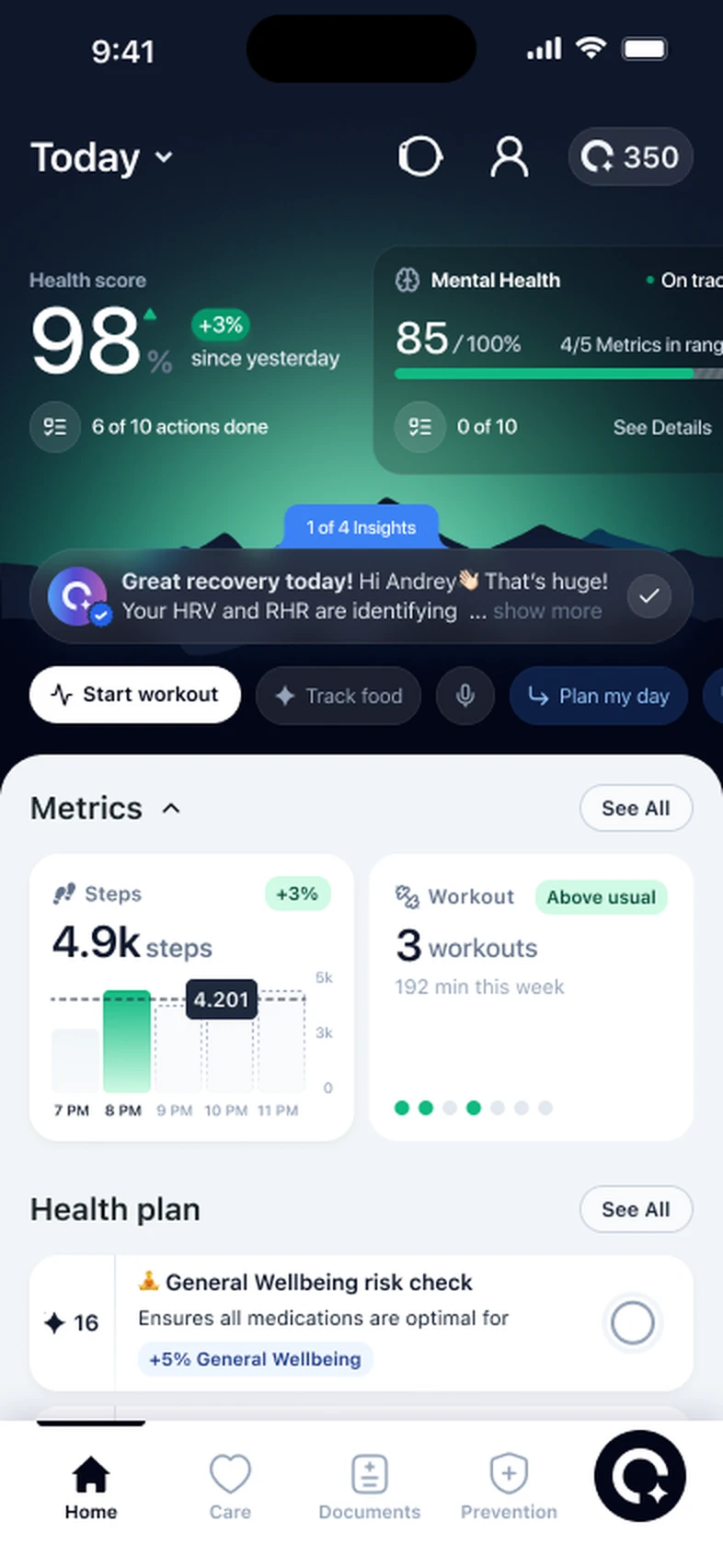
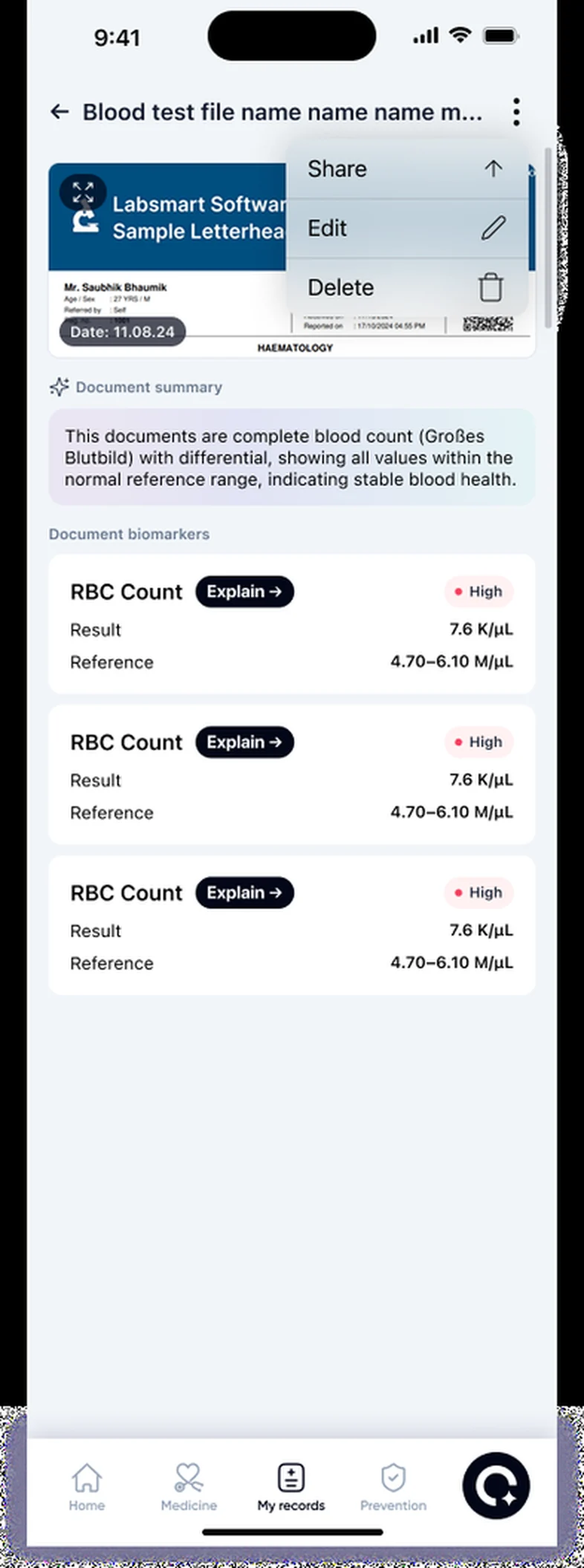
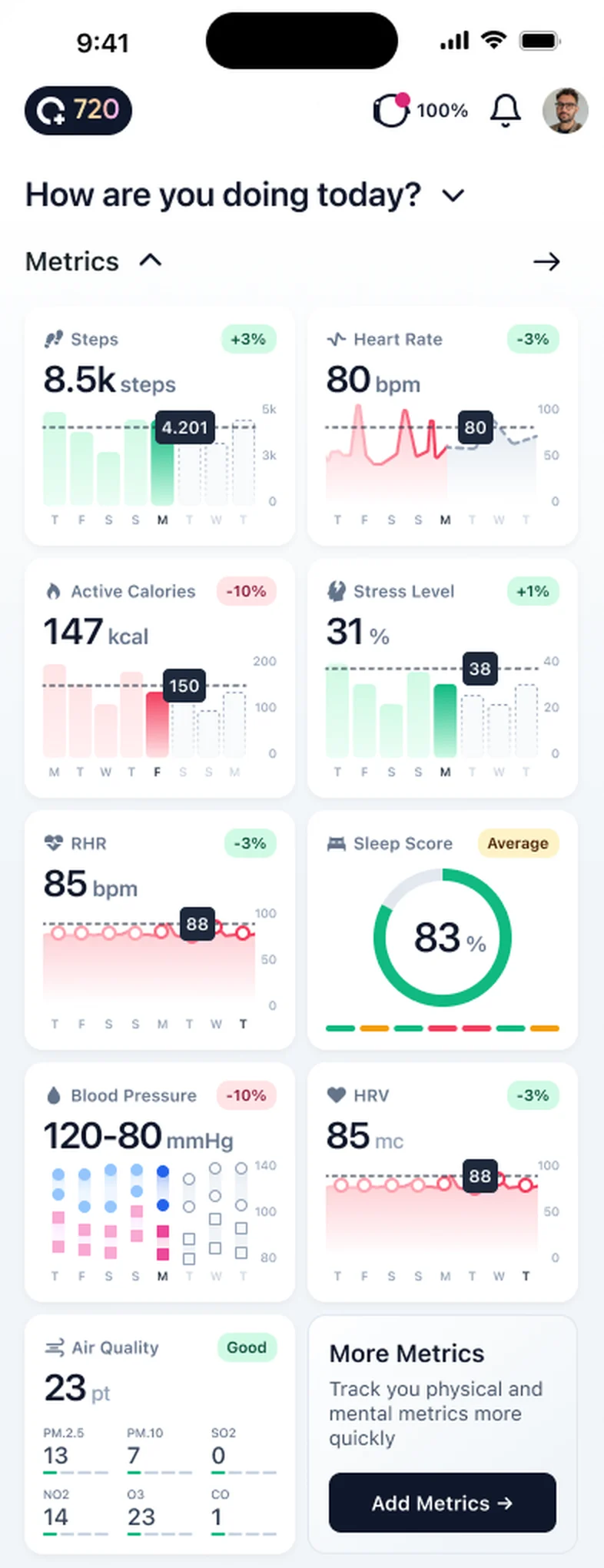
In the ONU app for iPhone, you can upload your lab reports and keep them in one place. Your liver results then sit next to your daily ONU Score and your sleep, recovery and activity trends. If you are working on activity and weight before a repeat test, you can see those weeks on the same screen.
Fatty liver shares risk factors with type 2 diabetes. Try the free type 2 diabetes check or the weight check. Each ends with a summary to take to your doctor. For the rest of your report, see blood test results explained.
Bring your everyday signals and health information into a clearer picture.