The WBC count measures the number of white blood cells,
which help fight infection. It is part of a full blood count (MedlinePlus).
 Written and medically reviewed by Dr. Arup Sen, Consultant physician, internal medicine
The high white blood cell count meaning, in most cases, is that your immune system is responding to something, such as an infection, inflammation or stress. MedlinePlus gives a typical white blood cell (WBC) count of 4,500 to 11,000 cells per microliter, the same as 4.5 to 11.0 × 10⁹/L. Your lab report shows the range your lab uses, so read your number against that first.
Typical white blood cell ranges
which help fight infection. It is part of a full blood count (MedlinePlus).
Ranges vary slightly between labs.
Infection, mostly bacterial, is a common cause, MedlinePlus says.
White blood cells, also called leukocytes, are part of your immune system. MedlinePlus says they help fight infections and other diseases.
There are five main types: neutrophils, lymphocytes, monocytes, eosinophils and basophils. MedlinePlus explains that neutrophils mainly respond to bacterial infections and lymphocytes mainly to viral infections.
The WBC count gives the total number. A separate test, the blood differential, shows how many of each type you have. Many reports print both, so you may see a line for total white cells and lines for each type underneath.
The WBC count is usually part of a full blood count (complete blood count), alongside haemoglobin and platelets. Your doctor reads them together.
A high count means more white cells are in your blood than your lab expects. MedlinePlus lists these possible causes:
MedlinePlus says there are also less common causes of abnormal counts. If you also have inflammation markers on your report, our CRP page explains what C-reactive protein measures.
The differential often gives the first clue. MedlinePlus says a high neutrophil count is called neutrophilia, and neutrophils mainly respond to bacterial infections. A high lymphocyte count is called lymphocytosis, and lymphocytes mainly respond to viral infections.
Low counts have names too: neutropenia for neutrophils and lymphopenia for lymphocytes. Your doctor will look at which type is out of range, and by how much, before deciding what to do next.
MedlinePlus defines a low count, leukopenia, as below 4,500 cells per microliter. Causes it lists include:
White blood cells are your body's defence team. When you catch a cold, cut yourself or are under strain, their numbers can rise for a while and then settle. Less often, a high count points to something that needs more tests.
This page explains what the WBC count measures, what high and low results can mean, what can affect them and what you can do. It explains the marker in general. It does not interpret your own result.
This is the range MedlinePlus gives. Your lab report shows the range your lab uses, and that is the one your result should be read against.
| Result | Cells per microliter | × 10⁹/L | Source |
|---|---|---|---|
| Normal range | 4,500 to 11,000 | 4.5 to 11.0 | MedlinePlus |
| Low (leukopenia) | Below 4,500 | Below 4.5 | MedlinePlus |
| High (leukocytosis) | Above the normal range | Above the normal range | MedlinePlus |
Source: MedlinePlus (WBC count). MedlinePlus says reference ranges vary slightly between labs. It also notes that a lower count is not uncommon in African Americans as an ethnic or genetic trait.
MedlinePlus says a WBC count may be ordered when you have signs of infection, inflammation or an autoimmune disease. Examples it gives:
The sources we used do not name a diet or supplement that changes your white cell count. They focus on finding and treating the cause. These steps can make your next conversation with your doctor more useful.
Write down any infection, fever, injury, surgery or major stress in the weeks before the test. These can raise your count.
Include steroids, inhalers, and anything over the counter. MedlinePlus lists many medicines that raise or lower the count.
Ask your doctor whether and when to repeat the test, and use the same lab if you can.
MedlinePlus lists smoking as a cause of a high count.
Knowing whether it is neutrophils, lymphocytes or another type helps you understand what your doctor is looking for.
MedlinePlus says a WBC count shows whether your levels are high or low, but it cannot confirm a diagnosis. Your provider combines it with your symptoms, your medical history and other tests.
Those other tests can include a full blood count, a blood smear, where a sample is looked at under a microscope, and, less often, a bone marrow test. Your doctor may also simply repeat the count.
If you are being treated for a white blood cell disorder, MedlinePlus says the count can also show whether treatment is working.
See your GP or doctor if your WBC count is outside your lab's range and nobody has talked it through with you, if it stays high or low on repeat tests, or if you have a fever, a cough that will not go away or a wound that is not healing.
Sepsis is an emergency. The NHS says call 999 or go to A&E if an adult is breathing very fast, is confused, has slurred speech or is not making sense, has blue, pale or blotchy skin, has a rash that does not fade when you press it, or has a very high or very low temperature, feels hot or cold to the touch or is shivery. On black or brown skin, colour changes may be easier to see on the palms or soles. Outside the UK, call your local emergency number.
ONU does not sell lab tests and does not interpret your results. ONU is a wellness product, not a medical device.
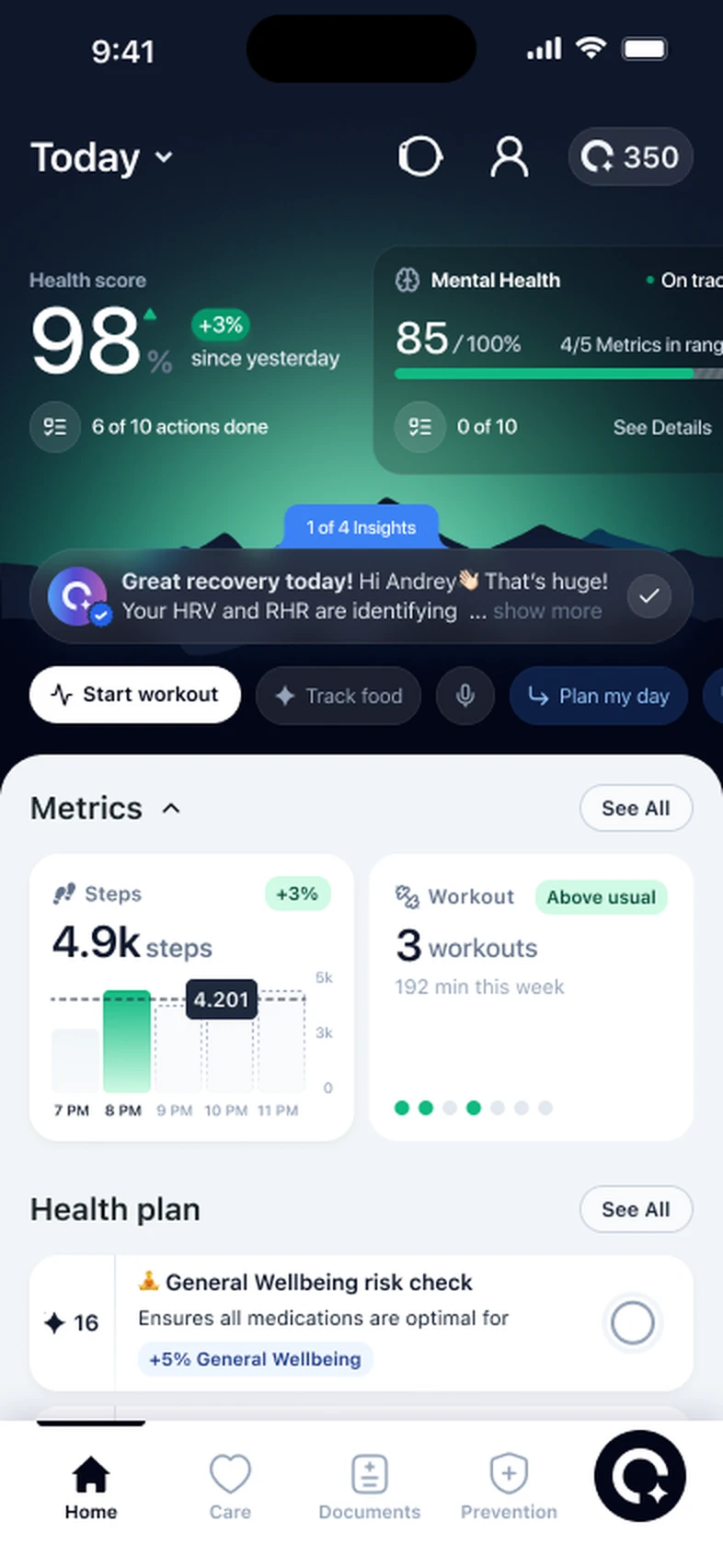
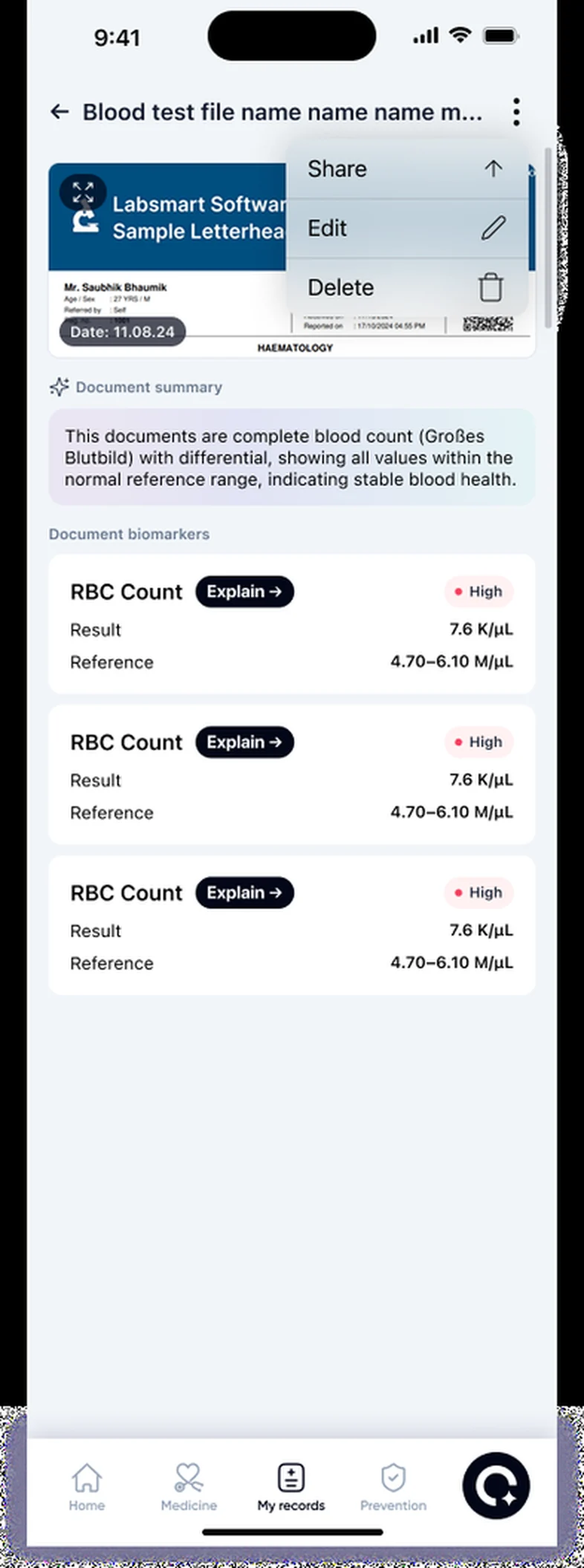
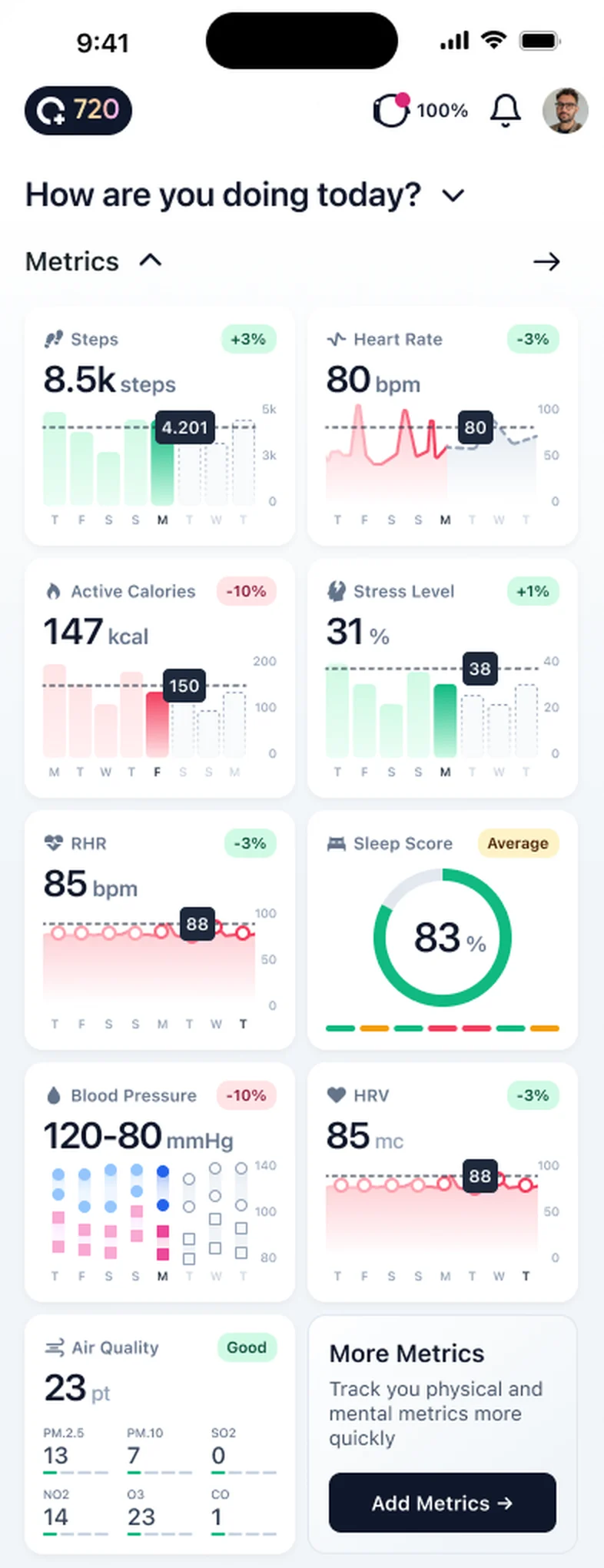
In the ONU app for iPhone, you can upload your lab reports and keep them in one place. Your blood count then sits next to your daily ONU Score and your sleep, recovery and activity trends. If you were run down around the time of the test, you can look back at those days when you talk to your doctor.
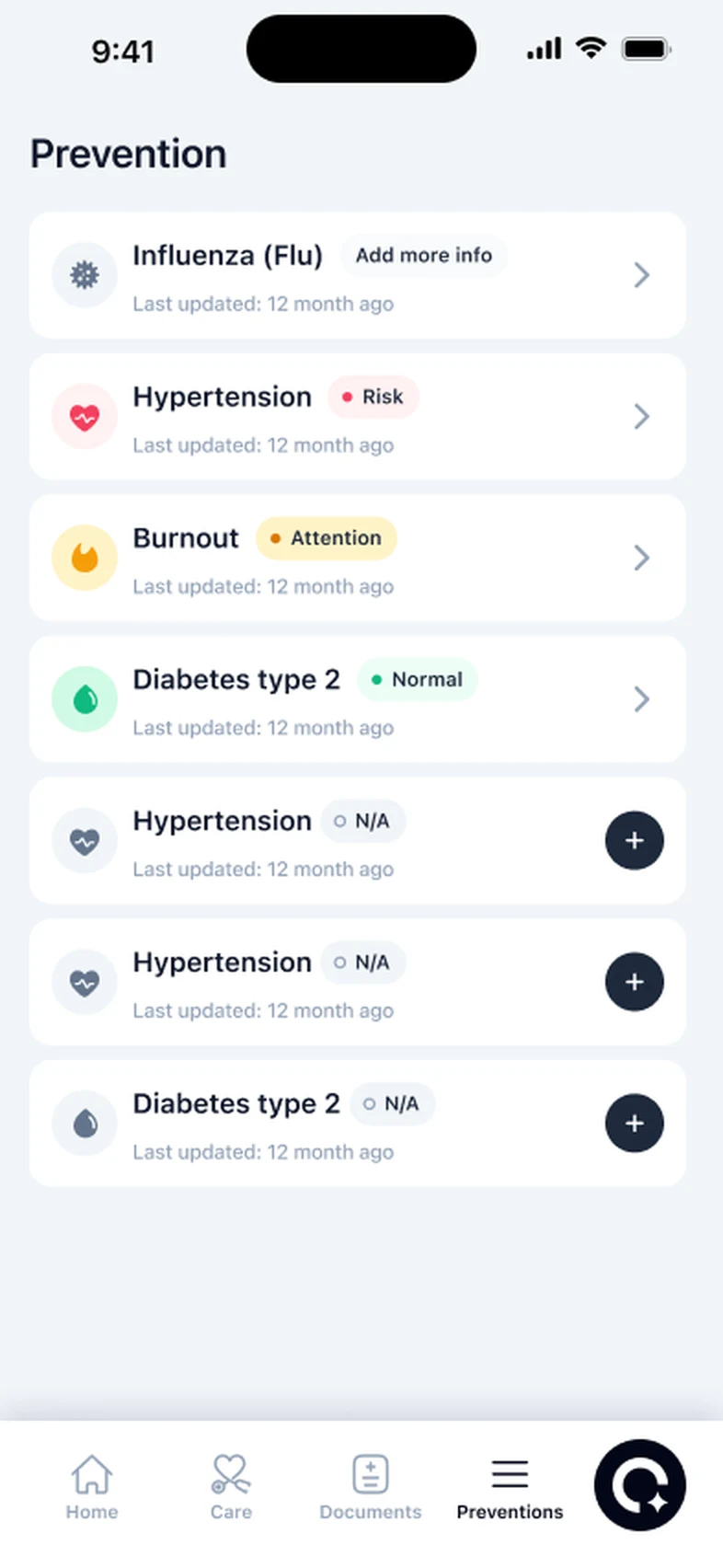
Our free prevention checks cover eight areas, from blood pressure to stress, and each ends with a summary to take to your doctor. For the rest of your report, see blood test results explained.
Bring your everyday signals and health information into a clearer picture.