

Jaundice symptoms in adults: a questionnaire for your appointment
 Written and medically reviewed by Dr. Arup Sen, Consultant physician, internal medicine
Jaundice symptoms in adults, such as yellowing skin or eyes, always need a medical review. This questionnaire helps you set out the history a doctor will ask about.
Jaundice is a yellow tint to the skin or the whites of the eyes caused by bilirubin building up in the blood. The causes run from harmless and inherited to urgent, and the history — travel, medicines, alcohol, pain, stool and urine color — is a large part of how the cause gets narrowed down.
Worth answering if you or someone you look after has noticed yellowing, dark urine or pale stools, and wants to arrive at an appointment with the history already straight.
- A yellow tint to the whites of the eyes, usually before the skin
- Urine darker than usual, sometimes the color of tea
- Stools that have gone pale or clay-colored
- Itching without a rash
- Tiredness, loss of appetite, or a dull ache under the right ribs
Jaundice with fever, severe abdominal pain or confusion needs urgent medical attention today. Fill this in afterwards, not instead.
Three steps, in the order a clinician takes them.
- 1
The history is doing most of the work
Recent travel, new medicines or supplements, alcohol, pain, fever, stool and urine color, and whether anyone in the family has had the same. These separate a blocked bile duct from liver inflammation from an inherited cause — long before the results come back.
- 2
Blood tests establish the pattern
Bilirubin, liver enzymes, and clotting. The pattern of which enzymes are raised says whether the problem is the liver itself or the drainage from it, which decides what gets imaged.
- 3
Then imaging, if the bloods point that way
An ultrasound looks for a blockage in the bile ducts and at the liver and gallbladder. Further imaging follows only when that first scan raises a question.
You walk away with a page you can hand over.
About two minutes. It asks about your history only, scores it the way the source document scores it, and gives you the answers back as something worth mentioning, worth bringing and worth asking — in a file you can download. It is not a diagnosis, and it does not predict anything.
Take the questionnaire- When you or someone else first noticed the yellowing
- The color of your urine and stools, and when that changed
- Every medicine, herbal remedy and supplement started in the last three months
- Recent travel, and any known hepatitis exposure or vaccination
Educational information to prepare a conversation with your doctor. ONU does not diagnose, predict or prevent disease.
The jaundice questionnaire
Fourteen questions about liver, blood and medication history — the things that change which test a clinician would reach for first.
- A few short questionsabout you and your routine
- two minutes.to finish
- Nothing savedanswers stay in this tab
This is the questionnaire domain of ONU’s own model, not a diagnosis and not a probability. Jaundice is confirmed by a blood test and examination, not by a set of questions.
Straight answers, including the awkward ones.
Is jaundice always serious?
It always deserves an explanation. The causes run from harmless and inherited — Gilbert syndrome, which raises bilirubin slightly and needs no treatment — to a blocked bile duct that needs attention within days. The history and a set of blood tests separate these quickly, which is why the answer is a clinician rather than waiting to see.
What does it mean if my stools are pale and my urine is dark?
That combination suggests bile is not reaching the bowel — the pigment that normally colors stool is being passed in urine instead. It points towards an obstruction in the drainage from the liver rather than a problem in the liver itself, and it is a reason to be seen promptly.
When is yellowing an emergency?
Jaundice with fever, severe abdominal pain, vomiting, confusion or drowsiness needs urgent medical attention the same day. Those can indicate infection in an obstructed bile duct or acute liver failure.
Can I tell the cause from the shade of yellow?
No. Shade reflects how high the bilirubin is, not where it came from. Nobody can read the cause off the color — that takes blood tests and usually an ultrasound.
One domain of a larger model.
This is one of two domains. The other is eight blood markers a clinician interprets, so the full score cannot be produced here.
Questionnaire source: Jaundice.docx — questionnaire domain, negative impact
Independent health information: NHS: Jaundice. This source explains the condition; it does not validate the questionnaire as a diagnostic test.

Weight and metabolic health
Weight on its own explains very little. Alongside movement, sleep and what you eat, it starts to describe something useful.
Read the area
Ascites
Worth answering if your abdomen has been swelling, if you have a known liver condition, or if you are preparing for an appointment about either.
Open the check
Crohn’s disease
Worth answering if you have had months of abdominal pain, diarrhea, weight loss or fatigue and are trying to describe it accurately to a clinician.
Open the check
Ulcerative colitis
Worth answering if you have had weeks or months of bloody or urgent diarrhea and want the history in one place before a referral.
Open the checkA questionnaire is a snapshot. A night is not.
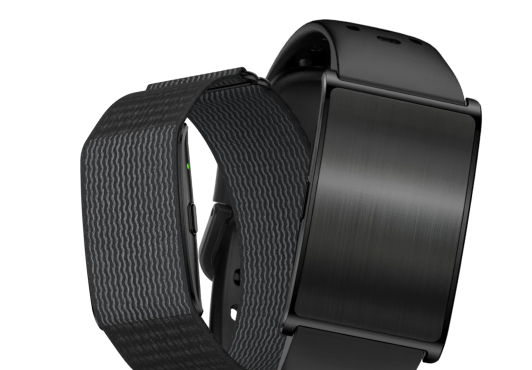
This was your history, written down once. The bracelet is the part that keeps watching — sleep, resting heart rate, temperature and movement, night after night, in one place.
Key takeaways
Jaundice symptoms in adults start with a yellow tint to the whites of the eyes or the skin, often with itching, darker urine and paler stools. Jaundice is not a disease in itself. It means bilirubin, a yellow pigment, is building up in the blood, and the NHS advises getting an urgent GP appointment or help from NHS 111 if you notice it. The questionnaire above collects the history that helps a clinician find out why.
- Yellowing always needs a medical explanation, even if you feel well.
- Check the whites of your eyes in daylight. On brown or black skin, the NHS notes yellow skin can be harder to see, but the eyes still show it.
- The causes fall into three broad groups: too many red blood cells breaking down, a liver that is struggling, or bile that cannot drain.
- Jaundice with fever, severe abdominal pain, vomiting, confusion or drowsiness needs same-day emergency care.
- The questionnaire covers 14 history questions from one domain of ONU’s jaundice model. The other domain is eight blood and urine markers a clinician reads.
What jaundice is
Your body breaks down old red blood cells every day. One product of that is bilirubin. The liver collects it, processes it and sends it out in bile, which drains through the bile ducts into the gut. That is what gives stool its usual brown color.
Jaundice happens when something interrupts that chain. Bilirubin builds up in the blood and stains the skin, the whites of the eyes and the lining of the mouth. The NHS describes jaundice simply as when “your skin or the whites of your eyes turn yellow”, and warns it can be a sign of something serious such as liver disease.
The useful way to think about it is by where the chain breaks. Before the liver, too much bilirubin is being made because red cells are breaking down faster than normal. In the liver, the liver cannot process it properly. After the liver, bile is made but cannot drain. Each group has different causes and different tests, and the history you give points towards one of them.
Jaundice symptoms in adults and how they show up
The NHS lists yellow skin or eyes, itchy skin, darker urine and paler stools as the main jaundice symptoms in adults. In real life they tend to appear like this:
- Someone else notices first. A partner or colleague says you look yellow, or you catch it in a bathroom mirror. The whites of the eyes usually change before the skin.
- Itching without a rash. Skin that itches all over, often worse at night, with nothing to see. The NHS lists itchy skin as a symptom.
- Urine the color of tea or cola. Darker than you would expect even when you have been drinking enough.
- Stools that look pale, grey or clay-colored. This one is easy to miss, so it is worth looking for a few days.
- Tired and off your food. Many people describe feeling unwell, tired or nauseated before or alongside the yellowing.
- Pain under the right ribs or in the upper abdomen. Not everyone has pain. When it is there, where it is and whether it comes in waves is useful history.
What else can make skin look yellow
Not every yellow tinge is jaundice. Eating a lot of carrots, sweet potatoes or other orange vegetables can tint the skin, especially the palms and soles, but it leaves the whites of the eyes white. Some indoor lighting makes skin look sallow, and a fading tan or natural skin tone can be misread in photos.
The simple test is the eyes. Look at the whites in daylight, pulling the lower lid down gently. If they are yellow, treat it as jaundice until a clinician says otherwise. If only the skin looks yellow and everything else is normal, it is still reasonable to mention it, but it is less likely to be bilirubin.
If itching and tiredness came before any yellowing, the primary biliary cholangitis questionnaire covers that pattern. If your abdomen has also been swelling, see the ascites questionnaire.
Common causes and who is more likely to develop jaundice
The NHS lists alcohol-related liver disease, gallstones, hepatitis, pancreatitis and sickle cell disease among the possible causes. The questionnaire above asks about the history ONU’s jaundice model weighs, which maps onto the three groups:
- Red blood cells breaking down (before the liver): a history of anemia, thalassemia, G6PD deficiency (an inherited condition in which red cells break down more easily), or malaria. A family history of blood or liver disease counts here too.
- The liver itself: hepatitis, alcohol, a past toxic liver injury, medicines known to be hard on the liver (the model gives anti-tuberculosis medicines as its example), and drug misuse.
- Drainage from the liver (after the liver): gallbladder problems such as gallstones, conditions of the pancreas, and cancer in the abdomen.
- A previous episode of jaundice, whatever the cause was at the time.
Toxoplasmosis also appears in the model, alongside malaria, as an infection to mention.
How doctors confirm jaundice and find the cause
Confirming jaundice is quick: a clinician looks at your eyes and skin and measures bilirubin in a blood test. Finding the cause is the real work.
History
Travel, new medicines and supplements, alcohol, pain, fever, stool and urine color, and family history. This is the part the questionnaire prepares you for.
Blood and urine tests
The biomarker domain of ONU’s jaundice model lists the tests a clinician interprets: total bilirubin, liver enzymes (AST, ALT, GGT), kidney function (creatinine), a full blood count, albumin and a urine test. A full blood count can show whether red cells are breaking down; the liver enzymes show whether the liver itself is inflamed or the drainage is blocked.
Imaging
If the blood tests point to a drainage problem, an ultrasound of the liver, gallbladder and bile ducts is usually next. More detailed scans follow only if that first look raises a question.
Further tests if needed
Hepatitis blood tests, tests for inherited blood conditions, or a referral to a liver or gastroenterology specialist, depending on what the first results show.
What this questionnaire does and does not tell you
The questionnaire has 14 questions, scored from 0 to 26 as the source document scores them. The bands are 0 to 1 low, 2 to 3 medium, and 4 to 26 high. It is one of two domains in the model; the other is eight blood and urine markers that need a clinician, so the full score cannot be calculated here.
A high band means your history includes several things the model associates with jaundice. It does not mean you have jaundice, and it does not tell you the cause. Drinking alcohol daily is worth 4 points by itself, which reaches the high band without any other answer. A low band does not mean yellowing can be ignored. If you can see it, it needs a blood test, whatever the score.
Where the questionnaire earns its place is in the summary. Fourteen yes-or-no answers about blood, liver, pancreas, gallbladder, medicines and alcohol are exactly what a clinician would otherwise ask you one by one.
Preparing for the appointment
Note when it started
The day you or someone else first noticed yellowing, and whether it is getting stronger, staying the same or fading.
Watch your urine and stools
Note their color for a few days. A photo on your phone is fine and saves you describing it.
List medicines from the last three months
Prescriptions, over-the-counter painkillers, antibiotics, herbal remedies, bodybuilding products and supplements. Drug-induced liver injury is a whole field of study in the source literature, so nothing is too small to list.
Write down travel and exposures
Recent trips, especially where malaria or hepatitis is common, any vaccinations, and any known contact with hepatitis.
Bring past results
Old liver tests, blood counts or scan reports. If they are stored in the ONU app, have them ready to show. ONU keeps the reports you upload; it does not diagnose from them.
What usually happens next
The NHS says treatment for jaundice depends on what is causing it. A blocked bile duct is managed differently from hepatitis, and both differ again from a blood condition. Some causes need treatment within days; others, such as Gilbert syndrome, an inherited condition that raises bilirubin slightly, need none.
Once the cause is known, follow-up is usually led by the relevant team, often gastroenterology or hepatology for liver and bile duct causes, or hematology for blood causes. Bilirubin and liver tests are commonly repeated to check that things are moving in the right direction. Your doctor will set out how often.
When jaundice is an emergency
The NHS advises an urgent GP appointment or NHS 111 for any new yellowing. Go to an emergency department, or call your local emergency number, if jaundice comes with:
- Fever or shivering
- Severe pain in the abdomen
- Repeated vomiting, or vomiting blood
- Confusion, unusual sleepiness or difficulty staying awake
- Black, tarry stools, or bruising and bleeding that will not stop
For general guidance on getting emergency help, see emergency information.
Questions people ask
- Can medicines cause jaundice?
- Yes, some medicines can injure the liver, and ONU’s jaundice model asks about medicines known to be toxic to the liver, giving anti-tuberculosis drugs as its example. Herbal remedies and supplements can do it too. Do not stop a prescribed medicine on your own; list everything and let the clinician decide.
- Why does a jaundice questionnaire ask about anemia and thalassemia?
- Because jaundice can start before the liver. When red blood cells break down faster than normal, as can happen with thalassemia, G6PD deficiency, sickle cell disease or malaria, more bilirubin is made than the liver can clear. These answers help point towards that group of causes.
- Is jaundice contagious?
- Jaundice itself is not. Some of its causes are. Viral hepatitis, for example, can be passed on. That is one reason a clinician will ask about travel, contacts and vaccinations, and why the cause is worth finding quickly.
- How do I check for jaundice on darker skin?
- Look at the whites of your eyes in natural light. The NHS notes that yellow skin can be less noticeable on brown or black skin, but the whites of the eyes still turn yellow. The palms, the soles and the inside of the mouth can also show it.
- Does jaundice always itch?
- No, but itching is common. The NHS lists itchy skin as a symptom. Itching that comes before any visible yellowing is worth mentioning too, because it can be an early sign of bile not draining properly.
- Is adult jaundice the same as jaundice in newborns?
- No. The NHS notes that jaundice is common in newborn babies and usually harmless. In adults it is not expected and always needs a medical explanation. This page and questionnaire are written for adults.
- I had jaundice years ago. Does that matter now?
- It is worth mentioning. A previous episode is one of the items ONU’s model counts, and knowing what caused it then, if you were told, can save time now.