

Allergy symptoms checklist: what happens, when, and what you were near
 Written and medically reviewed by Dr. Arup Sen, Consultant physician, internal medicine
This allergy symptoms checklist helps you note what reaction you had, when it happened and what you were exposed to, which is the history an allergy assessment starts from.
Allergy is an immune response to something harmless — pollen, animal proteins, foods, drugs, stings. The pattern gives most of the answer: what happened, how long after exposure, how long it lasted, and whether it repeats with the same trigger. Testing confirms a suspicion; it is poor at generating one.
Worth answering if you get recurring reactions and want the pattern written down before allergy testing, rather than reconstructed in the room.
- Sneezing, a blocked or streaming nose, itchy eyes — seasonally or around animals
- A reaction that repeats with the same trigger
- Hives, or a flare of eczema after contact with something
- Wheeze or cough after exposure rather than after exertion
- Reactions to a medicine, or to particular foods
Any reaction involving swelling of the lips or throat, difficulty breathing or faintness is anaphylaxis until proven otherwise: adrenaline and emergency care, not a questionnaire.
Three steps, in the order a clinician takes them.
- 1
The pattern carries the diagnosis
What happened, how long after exposure, how long it lasted, and whether it repeats with the same thing. Testing confirms a suspicion; it is poor at generating one, which is why the history is taken first and in detail.
- 2
Then targeted testing, not a panel
Skin prick tests or specific IgE blood tests, chosen from the history. Broad untargeted panels produce positives to things you tolerate perfectly well, and those lead to needless avoidance.
- 3
Then a plan proportional to the risk
Avoidance where practical, medication for symptoms, immunotherapy for some triggers, and an adrenaline auto-injector where anaphylaxis is a risk. A positive test on its own is not an allergy — the reaction has to match it.
You walk away with a page you can hand over.
About a minute and a half. It asks about your history only, scores it the way the source document scores it, and gives you the answers back as something worth mentioning, worth bringing and worth asking — in a file you can download. It is not a diagnosis, and it does not predict anything.
Take the questionnaire- A note of each reaction: what, when, how long after, and how long it lasted
- Photographs of any rash or swelling — they fade before appointments
- Everything you already avoid, and whether avoiding it actually helped
- Any antihistamine taken in the days before testing, which can affect results
Educational information to prepare a conversation with your doctor. ONU does not diagnose, predict or prevent disease.
The allergy questionnaire
Eight questions about your history and four about what you already do to avoid triggers. The second four can lower the score.
- A few short questionsabout you and your routine
- a minute and a half.to finish
- Nothing savedanswers stay in this tab
This is the questionnaire domain of ONU’s own model, not a diagnosis and not a probability. An allergy is confirmed by skin or blood testing, not by a set of questions.
Straight answers, including the awkward ones.
Is an intolerance the same as an allergy?
No. An allergy is an immune response and can be immediate and dangerous; an intolerance, such as to lactose, is a digestive problem that is unpleasant but not life-threatening. They are tested for differently, and calling one the other leads either to needless fear or to missed risk.
Are home or mail-order allergy tests worth it?
Generally not. IgG food panels and hair analysis have no diagnostic value for allergy, and their positives lead to people cutting out foods they tolerate. Skin prick and specific IgE testing, chosen from a proper history, are the tests that mean something.
What is anaphylaxis, and what do I do?
A rapid, whole-body allergic reaction: swelling of the lips, tongue or throat, difficulty breathing, wheeze, faintness or collapse. Use an adrenaline auto-injector into the outer thigh if one is available, call emergency services, and lie flat with the legs raised. It is an emergency every time, even if it settles.
Why does this questionnaire sometimes refuse to give me a band?
Because the source document puts a score of 0 in two of its own bands at once. Choosing between them would mean making a decision the document did not make, for somebody sitting at exactly that score. So the page names the conflict instead.
One domain of a larger model.
This is one of three domains. The others — four allergy blood and skin tests and an age term — need results a clinician interprets, so the full score cannot be produced here.
Questionnaire source: Allergy Model.docx — questionnaire domain, negative and positive impact
Independent health information: NHS: Allergies. This source explains the condition; it does not validate the questionnaire as a diagnostic test.

Thyroid
Thyroid problems are common, easy to test for, and easy to miss — because the symptoms look like ordinary life.
Read the area
Ascites
Worth answering if your abdomen has been swelling, if you have a known liver condition, or if you are preparing for an appointment about either.
Open the check
Jaundice
Worth answering if you or someone you look after has noticed yellowing, dark urine or pale stools, and wants to arrive at an appointment with the history already straight.
Open the check
Crohn’s disease
Worth answering if you have had months of abdominal pain, diarrhea, weight loss or fatigue and are trying to describe it accurately to a clinician.
Open the checkA questionnaire is a snapshot. A night is not.
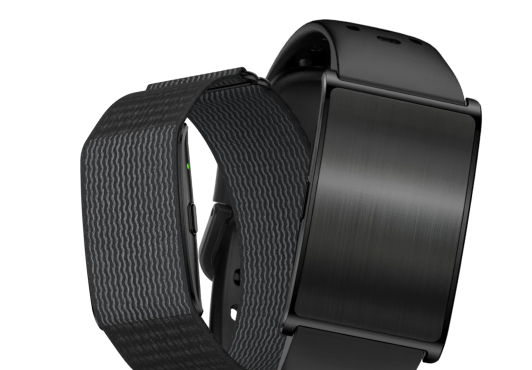
This was your history, written down once. The bracelet is the part that keeps watching — sleep, resting heart rate, temperature and movement, night after night, in one place.
Key takeaways
An allergy symptoms checklist is most useful when it records three things together: what happened, how soon after which exposure, and whether it happens again with the same trigger. The NHS describes an allergy as the body reacting to something that is normally harmless, with symptoms that can appear within minutes or after a few hours. The questionnaire above captures the history; testing, if you need it, confirms a suspicion that history raises.
- Common triggers listed by the NHS include tree and grass pollen, house dust mites, foods such as peanuts, milk and eggs, cats and dogs, bee and wasp stings, and certain medicines.
- Swelling of the lips, mouth, throat or tongue, difficulty breathing, or sudden confusion or faintness can be anaphylaxis. Call your local emergency number immediately.
- The NHS advises seeing a GP if you think you or your child may have an allergy.
- Skin prick tests and blood tests work best when they are chosen to answer a question your history has already raised.
- The questionnaire is the 12-question history domain of ONU’s allergy model, including four questions about what you already do that can lower the score.
What an allergy is
Your immune system is meant to react to real threats such as bacteria and viruses. In an allergy, it reacts to something harmless, such as pollen, a protein in food or animal dander, as if it were dangerous. The reaction releases chemicals, including histamine, that cause the familiar symptoms: sneezing, itching, swelling, wheezing or hives.
The NHS notes that symptoms are often mild, but that for some people they can be very serious. An allergy is different from an intolerance, which is covered in the questions earlier on this page. The practical point is that the pattern, not a single episode, is what tells you most.
Allergy symptoms checklist: how reactions show up
The NHS lists the possible symptoms of an allergic reaction. Grouped by where you feel them:
- Nose and sinuses: runny nose, sneezing, and pain or tenderness around the cheeks, eyes or forehead.
- Eyes: red, itchy or watering eyes, sometimes swollen.
- Chest: coughing, wheezing or breathlessness.
- Skin: hives, or itchy or red skin. The NHS notes redness can be harder to see on brown or black skin.
- Gut: diarrhea, stomach cramps or bloating, feeling or being sick.
- Face and throat: swollen eyes, lips, mouth or throat. Swelling of the lips, tongue or throat is a warning sign.
Use this allergy symptoms checklist alongside a note of timing. A reaction within minutes of eating something points in a different direction from a rash that appears the next day.
A checklist for each reaction
Every time you react, note these seven things. After two or three episodes, a pattern usually appears.
- What you were exposed to: food, drink, medicine, animal, plant, cleaning product, sting.
- How long after exposure the symptoms started.
- Which symptoms, from the list above, and how severe.
- How long it lasted, and what helped, including any antihistamine.
- Where you were and what time of year it was.
- Whether alcohol, exercise or illness was involved, since these can make reactions stronger.
- Whether it has happened before with the same trigger.
What else causes similar symptoms
Colds and other viral infections cause a runny nose and cough, but usually come with a sore throat or fever and clear in a week or two. Non-allergic rhinitis causes a blocked or runny nose triggered by smells, temperature changes or smoke without an immune allergy behind it. Food intolerances cause gut symptoms without hives or swelling. Eczema can flare with stress, heat or soap. Some medicines cause side effects that look like an allergy but are not.
Telling these apart is mostly about the pattern in your checklist. Symptoms that reliably follow the same trigger within a short time point towards allergy; symptoms with no clear trigger often have another explanation.
Who is more likely to have allergies
The questionnaire asks about the history ONU’s allergy model weighs:
- Family history of asthma, hay fever (allergic rhinitis) or allergic skin reactions, counted most for parents, siblings and children.
- Your own history of allergic disease.
- Reactions to animals, or to wearing wool or fur.
- Symptoms when cleaning the house, which points towards dust mites or dust.
- Symptoms in spring or summer during pollen season.
- Reactions to medicines.
- Intolerance of fermented drinks and products such as beer, kvass or dry wine.
- Chronic gut conditions such as gallbladder inflammation or pancreatitis, which the source document counts.
How doctors confirm an allergy
The NHS says a GP may arrange tests or refer you to a specialist allergy clinic. The main tests it lists:
Skin prick test
A small amount of the allergen is put on your skin to see if it reacts. Results are available within the appointment.
Blood tests
These measure allergy antibodies to specific allergens. ONU’s model includes four allergy blood and skin tests in its biomarker domain, which a clinician interprets.
A supervised food challenge or diet
For suspected food allergy, the NHS describes a special diet with gradually increasing amounts of the suspected food. This should be done under medical supervision.
A positive test without matching symptoms does not always mean a true allergy. That is why your checklist matters as much as the test.
What this questionnaire does and does not tell you
Twelve questions. Eight about history add points; four about what you already do can subtract them, for example having had allergen immunotherapy or using hypoallergenic bedding. Scores run from minus 8 to plus 22, scored as the source document scores them.
The document’s bands are minus 8 to 0 low, 0 to 1 medium, and 2 to 22 high. A score of exactly 0 falls in both the low and medium bands. ONU does not choose between them; the result tells you the score sits in two bands.
It is one of three domains. The others are four allergy tests and an age term, which need a clinician. The questionnaire cannot tell you what you are allergic to, or whether a reaction was allergic at all. It tells a clinician where to look.
Preparing for the appointment
Bring your checklist entries
Even two or three written-up episodes are better than memory.
Bring photos
Rashes and swelling often fade before an appointment. A dated photo shows what the clinician cannot see.
List medicines and what you took during reactions
Including antihistamines, inhalers, and any medicine you suspect caused a reaction.
Ask about testing before you stop antihistamines
Some tests are affected by antihistamines. Ask the clinic what they need before you change anything.
What usually happens next
The NHS lists avoiding the allergen whenever possible, antihistamines, steroid nasal sprays, tablets and creams, adrenaline auto-injectors for severe reactions, and desensitisation (immunotherapy), which should only be done by a medical professional. A specialist may give you an allergy management plan.
Interestingly, three of the four score-lowering questions in ONU’s model are about avoidance: keeping away from animal fur or fish food, using hypoallergenic bedding, and limiting highly allergenic foods such as fish, nuts and citrus. The fourth is immunotherapy. Whether any of these is right for you depends on what your tests show, so agree it with your clinician.
When it is urgent: signs of anaphylaxis
The NHS advises calling 999 in the UK, or your local emergency number elsewhere, immediately if:
- Lips, mouth, throat or tongue suddenly become swollen
- Breathing is very fast or hard, with wheezing, choking or gasping
- The throat feels tight or swallowing is difficult
- Skin, tongue or lips turn blue, grey or pale
- Someone suddenly becomes very confused, drowsy or dizzy, or faints and cannot be woken
- A child is limp, floppy or not responding normally
If an adrenaline auto-injector has been prescribed, use it and call for help. The steps are set out in the questions earlier on this page and on our emergency information page.
Questions people ask
- Can you develop an allergy as an adult?
- Yes. Allergies can appear at any age, including to foods or medicines you have had before without trouble. A new reaction should be treated as new, not dismissed because you used to be fine.
- How soon after exposure do allergy symptoms start?
- The NHS says symptoms can appear within minutes or after a few hours. Note the timing on your checklist, because it helps a clinician decide what kind of reaction it was.
- Why does the questionnaire ask about cleaning the house?
- Symptoms while dusting or vacuuming suggest a reaction to house dust mites or dust, which the NHS lists among common allergens. It is one of the history items in ONU’s allergy model.
- Why can my score go below zero?
- Four questions are about things that lower exposure or have treated the allergy, such as immunotherapy or hypoallergenic bedding. In the source document each yes subtracts 2 points, so a score below zero is possible.
- Can an allergy cause gut symptoms only?
- The NHS lists diarrhea, stomach cramps, bloating and feeling or being sick among allergy symptoms. Gut symptoms alone are more often due to an intolerance or a gut condition, though, so the timing and trigger matter.
- Can a wearable warn me about an allergic reaction?
- No. The ONU Bracelet tracks sleep, heart rate variability, resting heart rate, recovery and activity. It does not detect allergic reactions. You may notice poorer sleep in pollen season, which is useful context, not a warning system.