

Primary biliary cholangitis symptoms: a questionnaire for your doctor
 Written and medically reviewed by Dr. Arup Sen, Consultant physician, internal medicine
Primary biliary cholangitis symptoms, often itching and tiredness, can appear years before anything else. This questionnaire helps you record them for an appointment.
Primary biliary cholangitis is an autoimmune condition in which the small bile ducts inside the liver are gradually destroyed. It affects women far more often than men, usually appears in middle age, and often announces itself as persistent itching and fatigue long before liver tests are dramatic. Diagnosis is by antimitochondrial antibodies and cholestatic liver enzymes.
Worth answering if you have had unexplained itching or fatigue for months, or a family history of autoimmune liver disease.
- Itching without a rash, often worse at night
- Fatigue out of proportion to everything else
- Dry eyes and a dry mouth
- A dull discomfort under the right ribs
- Liver enzymes reported as mildly abnormal, sometimes for years
Itching without a rash that has lasted months deserves a liver panel regardless of what this questionnaire says.
Three steps, in the order a clinician takes them.
- 1
It is often found in a blood test before it is suspected
A cholestatic pattern of liver enzymes — a raised alkaline phosphatase in particular — is frequently the first sign, picked up incidentally. Itching and fatigue can precede it by years.
- 2
Antibodies confirm it
Antimitochondrial antibodies are present in the large majority of cases. A raised alkaline phosphatase with those antibodies is usually enough for the diagnosis without a biopsy.
- 3
Then staging, and treatment that works better started early
Imaging and non-invasive fibrosis assessment establish the stage. Treatment slows progression, and starting it earlier matters — which is the argument for chasing months of unexplained itching rather than waiting.
You walk away with a page you can hand over.
Under a minute. It asks about your history only, scores it the way the source document scores it, and gives you the answers back as something worth mentioning, worth bringing and worth asking — in a file you can download. It is not a diagnosis, and it does not predict anything.
Take the questionnaire- How long the itching or fatigue has been going on, in months or years
- Any liver blood test you have had, even one you were told was borderline
- Other autoimmune conditions, particularly thyroid disease or Sjögren syndrome
- Family history of autoimmune liver or thyroid disease
Educational information to prepare a conversation with your doctor. ONU does not diagnose, predict or prevent disease.
The primary biliary cholangitis questionnaire
Five questions about liver history and the symptoms this condition tends to bring. It is uncommon, and it is diagnosed on blood tests and imaging rather than on symptoms.
- A few short questionsabout you and your routine
- Under a minute.to finish
- Nothing savedanswers stay in this tab
This is the questionnaire domain of ONU’s own model, not a diagnosis and not a probability. Primary biliary cholangitis is confirmed by specific antibody and liver blood tests, not by a set of questions.
Straight answers, including the awkward ones.
What is the difference between PBC and primary sclerosing cholangitis?
Both damage bile ducts, but PBC affects the small ducts inside the liver, is autoimmune, mostly affects women in middle age, and is identified by antimitochondrial antibodies. Primary sclerosing cholangitis affects the larger ducts, is more common in men, and is strongly associated with inflammatory bowel disease. They are diagnosed and managed differently.
Why does itching come before anything else?
Substances normally cleared in bile accumulate when the small ducts are damaged, and they provoke itching well before the liver is failing at anything. That is why months of unexplained itching without a rash deserves a liver panel, even when you otherwise feel fine.
Is PBC still called primary biliary cirrhosis?
No. It was renamed primary biliary cholangitis, because most people diagnosed with it never develop cirrhosis — particularly when treatment starts early. The old name caused unnecessary fear.
Can this questionnaire diagnose it?
No. PBC is diagnosed with antimitochondrial antibodies and a cholestatic liver enzyme pattern, and no questionnaire substitutes for those. Five history questions cannot do it, and this page says so rather than implying otherwise.
One domain of a larger model.
This is one of four domains. The others — thirteen blood markers, an age term and a sex term — need laboratory results a clinician interprets, so the full score cannot be produced here.
Questionnaire source: Primary Biliary Cholangitis risk model.docx — questionnaire domain
Independent health information: NHS: Primary biliary cholangitis. This source explains the condition; it does not validate the questionnaire as a diagnostic test.

Thyroid
Thyroid problems are common, easy to test for, and easy to miss — because the symptoms look like ordinary life.
Read the area
Ascites
Worth answering if your abdomen has been swelling, if you have a known liver condition, or if you are preparing for an appointment about either.
Open the check
Jaundice
Worth answering if you or someone you look after has noticed yellowing, dark urine or pale stools, and wants to arrive at an appointment with the history already straight.
Open the check
Crohn’s disease
Worth answering if you have had months of abdominal pain, diarrhea, weight loss or fatigue and are trying to describe it accurately to a clinician.
Open the checkA questionnaire is a snapshot. A night is not.
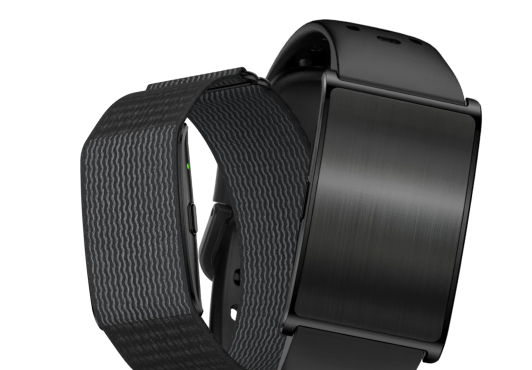
This was your history, written down once. The bracelet is the part that keeps watching — sleep, resting heart rate, temperature and movement, night after night, in one place.
Key takeaways
Primary biliary cholangitis symptoms are often quiet: extreme tiredness, itching, dry eyes and mouth, and aches. Many people have no symptoms at all and find out from a routine blood test. The NHS describes PBC as a long-term liver disease in which the immune system damages the small bile ducts in the liver, and notes it can usually be diagnosed with blood tests alone. The questionnaire above helps you record the history before those tests.
- PBC does not always cause symptoms, the NHS says. A normal-feeling day does not rule it out.
- Persistent itching without a rash, and tiredness that does not lift, are the symptoms people most often notice first.
- Diagnosis rests on liver enzymes and antibodies in the blood, sometimes with a biopsy. No questionnaire can replace those tests.
- Treatment can slow liver damage. The NHS says PBC can take decades to progress in some people.
- The questionnaire is the five-question history domain of ONU’s PBC model. The rest is 13 blood markers, age and sex.
What primary biliary cholangitis is
Bile is a liquid the liver makes to help digest fat, absorb certain vitamins and remove waste. It drains out through a network of small ducts. In PBC, the NHS explains, the immune system mistakenly attacks those ducts. Bile builds up in the liver and causes further damage, which over time can lead to scarring (cirrhosis).
The condition used to be called primary biliary cirrhosis. The name changed because many people with PBC never develop cirrhosis. It affects women far more often than men and usually appears in middle age. The NHS says the cause is unclear and thought to involve subtle differences in how the immune system works.
Primary biliary cholangitis symptoms and how they show up
The NHS lists bone and joint aches, extreme tiredness, itchy skin, dry eyes and mouth, and pain or discomfort in the upper right side of the abdomen. Day to day, that can look like:
- Tiredness out of proportion to your day. Not sleepiness, but a heavy fatigue that rest and a good night do not fix.
- Itching with nothing to see. Often on the arms, legs or back, sometimes worse at night. People sometimes see a dermatologist first.
- Gritty eyes and a dry mouth. Needing water by the bed, or eye drops more often.
- Aching bones and joints.
- Discomfort under the right ribs.
- Small yellowish patches on the eyelids. Called xanthelasma, these fatty deposits near the inner corners of the eyes are one of the items in ONU’s model.
- Later signs. Yellowing of the skin or eyes, unexplained weight loss, or a swelling abdomen are signs of more advanced liver involvement and need prompt review.
What else causes itching and fatigue
Both symptoms are common and have many causes. Itching can come from dry skin, eczema, allergies, thyroid problems, kidney disease, iron deficiency and some medicines. Fatigue can come from poor sleep, anemia, thyroid disease, depression, burnout and much more. That is why PBC is often found late: the symptoms are easy to explain away.
What makes PBC worth considering is the combination: itch without a rash that lasts months, tiredness that does not lift, and abnormal liver tests. Our thyroid and anemia checks cover two of the more common alternatives. If your skin or the whites of your eyes have turned yellow, the jaundice questionnaire is the closer fit, and you should see a doctor promptly.
Who is more likely to develop PBC
ONU’s PBC model weighs the history below. Everything except the first item is asked in the five questions above:
- Women, usually in middle age. ONU’s model includes a sex term for this; it is not part of the questionnaire on this page.
- A family history of PBC. A parent, sibling or child counts most in the model.
- A liver ultrasound that looked suspicious for PBC.
- A liver biopsy that raised the suspicion of PBC.
- Ongoing symptoms: unexplained itching, fatigue, jaundice, or unexplained weight loss with discomfort under the right ribs.
- Xanthelasma, the yellowish deposits around the eyelids.
How doctors confirm PBC
The NHS says many people are diagnosed after a routine blood test done for something else, and that PBC can usually be diagnosed with blood tests alone. ONU’s source document sets out the standard criteria. A diagnosis of PBC is established when there is no blockage of the bile ducts outside the liver, no other condition affecting the liver, and at least two of the following:
- Alkaline phosphatase at least 1.5 times the upper limit of normal
- Antimitochondrial antibodies (AMA) at a titer of 1:40 or higher
- Biopsy evidence of damage to the small bile ducts
The NHS adds that an ultrasound scan is used to rule out other bile duct problems and to assess the liver, and that a liver biopsy is only occasionally needed.
What this questionnaire does and does not tell you
Five questions, scored 0 to 18 as the source document scores them. Bands are 0 to 1 low, 2 medium, and 3 to 18 high. The symptom question alone carries 4 points, so anyone with persistent unexplained itching or fatigue lands in the high band. That reflects how the model is built. It does not mean you have PBC; most people with those symptoms do not.
It is one of four domains. The others, 13 blood markers, an age term and a sex term, need laboratory results and a clinician, so the full score cannot be produced here. The honest summary is this: the questionnaire tells you whether your history is worth putting in front of a doctor. The blood tests tell you whether it is PBC.
Preparing for the appointment
Describe the itch
Where, how long, whether it is worse at night, whether there is a rash, and what you have tried. Months of itching without a rash is a specific, useful detail.
Describe the fatigue
How long it has lasted and what it stops you doing. If you track sleep in the ONU app, you can show that you are sleeping enough and still exhausted. That is context, not a test.
Gather past liver tests
Any result that mentioned alkaline phosphatase, GGT or liver function, even if you were told it was “slightly raised”.
Note family and autoimmune history
Relatives with PBC or other autoimmune conditions, and any of your own, such as thyroid disease.
Ask specifically
If you are worried about PBC, it is reasonable to ask whether liver enzymes and antimitochondrial antibodies should be checked.
What usually happens next
The NHS says ursodeoxycholic acid and obeticholic acid can help slow liver damage, other medicines can relieve itching, and a liver transplant may be needed if the liver becomes severely damaged. It describes PBC as progressive but variable: in some people it can take decades to progress.
Because the NHS lists osteoporosis and deficiencies of vitamins A, D, E and K among possible complications, follow-up often includes checks beyond the liver itself. A hepatology or gastroenterology team usually leads the care, with regular blood tests.
When it is urgent
PBC itself develops slowly, but its later stages can cause problems that need prompt or emergency care. Seek urgent help for yellowing skin or eyes, a rapidly swelling abdomen, vomiting blood or black stools, or confusion and unusual drowsiness. The NHS lists ascites (fluid in the abdomen) and portal hypertension (raised pressure in the blood vessels of the abdomen) among the complications of untreated or advanced PBC. See our ascites page and emergency information.
Questions people ask
- Can I have PBC with normal energy and no itching?
- Yes. The NHS says PBC does not always cause symptoms, and many people are diagnosed after a routine blood test done for something else. That is why a raised alkaline phosphatase on an old test is worth mentioning.
- Is PBC curable?
- It is a long-term condition. The NHS says treatment can slow the liver damage, and that in some people PBC can take decades to progress. Your specialist is the one to discuss what to expect for you.
- What is an AMA test?
- A blood test for antimitochondrial antibodies. ONU’s source document lists AMA at a titer of 1:40 or higher as one of the criteria for diagnosing PBC, alongside alkaline phosphatase and, when used, a liver biopsy.
- Why are my eyes and mouth so dry?
- The NHS lists dry eyes and mouth among PBC symptoms. Dryness has many other causes too, so mention it alongside your other symptoms rather than on its own.
- What is xanthelasma, and why is it on the questionnaire?
- Xanthelasma are yellowish deposits of fat under the skin near the inner corners of the eyelids. ONU’s PBC model counts them because they can appear with cholestatic liver disease. They also occur with high cholesterol, so our cholesterol check may be relevant too.
- Does PBC run in families?
- It can. ONU’s model counts PBC in a close relative more heavily than in a distant one. Most relatives of someone with PBC never develop it, but it is worth telling your doctor.
- Can PBC affect my bones?
- It can. The NHS lists osteoporosis, meaning weak and brittle bones, among the complications of untreated or advanced PBC, along with low levels of vitamins A, D, E and K. If you have PBC, it is worth asking your specialist whether your bone health and vitamin levels should be checked.
- Who should I see first about itching that will not go away?
- Start with your GP or primary care doctor rather than a skin specialist. Itching without a rash that has lasted for months is a reason to ask for liver blood tests, including alkaline phosphatase, before anything else is tried.