Key takeaways
Feeling exhausted despite a full night is common and usually has an explanation. Time in bed is not the same as time asleep, and the quality of that sleep matters as much as the length. The NHS lists poor sleep, stress, low mood, unhealthy habits, hormonal changes, recent illness and some medicines as everyday causes of tiredness, along with medical conditions such as sleep apnoea, iron deficiency anaemia, diabetes and an overactive thyroid.
A simple diary for a week or two is often the most useful first step. If tiredness has lasted a few weeks without a clear reason, or affects daily life, see a GP.
Time in bed is not time asleep
The minutes you spend drifting off and the times you wake in the night count toward time in bed, not sleep. A wearable can estimate the gap but cannot measure it exactly. Not every adult needs precisely eight hours, either.
The CDC recommends at least seven hours for adults aged 18 to 60, and describes good sleep as uninterrupted and refreshing. Ask two questions: how much chance did I give myself to sleep, and how did I get through the next day? If you are in bed for eight hours but awake for one of them, you are getting seven, and a broken seven at that.
Sleepy or fatigued? They are different
Sleepy means you could nod off, in a meeting or on the sofa. Fatigue means you lack physical or mental energy even when you could not sleep if you tried. You can have both.
Knowing which one you mean helps a clinician far more than saying you are tired. Notice when it is worst: on waking, all day, or after ordinary activity such as climbing stairs. Sleepiness points more towards the quality or amount of your sleep.
Fatigue without sleepiness widens the list to things like low mood, stress, recent infection or a medical condition.
What poor sleep does to your day
Short or broken sleep shows up in more than yawning. The CDC links getting enough sleep with fewer illnesses, a healthier weight, lower stress, better mood and sharper attention and memory, and links too little sleep with a higher risk of type 2 diabetes, heart disease, high blood pressure and road crashes. You may notice it first as irritability, forgetting small things, craving sugary snacks in the afternoon or struggling to concentrate in long meetings.
These clues can help you work out whether your tiredness tracks your nights. If it eases after a few good nights, sleep was likely the main factor. If not, look wider.
Always tired but sleep 8 hours? Common reasons you wake up unrefreshed
Noise, a warm room, pain or caring for someone at night can break sleep without you fully remembering. A shifting schedule, late caffeine and alcohol make a full night less restful. Stress and low mood affect both sleep and daytime energy.
Some medicines cause drowsiness. The NHS also lists hormonal changes in pregnancy and menopause, recent illnesses such as glandular fever or COVID-19, and a lack of exercise or a poor diet. Lasting fatigue can go with conditions such as anaemia, diabetes or thyroid problems.
The symptoms overlap, so use this as a starting point for a conversation, not a way to diagnose yourself.
Snoring and daytime sleepiness
Loud snoring with gasping, choking or pauses in breathing needs checking for sleep apnoea. The NHS lists frequent waking, morning headaches, trouble concentrating, mood swings and extreme daytime tiredness among its signs, and notes that a partner often notices the night-time symptoms first. Risk rises with excess weight, a large neck, older age, alcohol, smoking and a family history, though younger and slimmer people can have it too.
A good sleep score does not rule it out. Mention morning headaches and trouble staying awake to your clinician, and do not drive or use machinery if you cannot stay alert.
Myths about tiredness
One myth is that more time in bed always fixes it. If your sleep is broken, adding hours can simply add more time awake. Another is that tiredness must mean a vitamin or mineral is low.
It can, but low energy does not point to any one nutrient, and guessing with supplements can mask the real cause. A third is that a weekend lie-in pays off the week. Big swings in timing can leave you feeling jet-lagged on Monday.
The last is that feeling tired all the time is just part of being busy. It might be, but it is still worth checking if it does not lift.
Small changes worth trying this week
Keep a steady wake-up time, including at weekends. Give yourself enough time in bed. The NHS suggests winding down for a couple of hours before bed, keeping the bedroom dark, quiet and cool, avoiding food, caffeine and exercise in the last couple of hours, and putting screens away for the last hour.
Get some daylight and movement earlier in the day. Change one thing at a time, such as moving your last coffee earlier, so you can tell what helped. Do not stop a prescribed medicine or start supplements for a deficiency you have only guessed at.
What to write down before an appointment
For a week or two of normal days, note your bedtime, roughly how long you took to fall asleep, the wake-ups you remember, when you got up and any naps. Add caffeine and alcohol timing, medicines, recent illness and your work pattern, including shifts. Describe what has become harder: staying awake in meetings, climbing stairs, concentrating, keeping up with exercise.
Note any snoring or gasping someone has noticed, mood changes, weight change or heavy periods. A short paper diary is enough. It turns a vague complaint into a clear pattern a clinician can work with.
A worked example
Priya goes to bed at 11 and gets up at 7, yet drags through every afternoon. Her diary shows she scrolls her phone until midnight, takes 40 minutes to fall asleep, has a strong coffee at four and wakes twice most nights. Her actual sleep is closer to six and a half hours, and broken.
She moves her phone out of the bedroom and her last coffee to before lunch. After two weeks she feels better but not right, and her partner mentions she has started snoring loudly. She books a GP appointment and brings the diary, which leads to a referral for a sleep assessment.
When to book an appointment
See a GP if you have felt tired for a few weeks and do not know why, if tiredness is affecting your daily life, or if it comes with other symptoms such as weight loss, mood changes, or gasping, snorting or choking noises in your sleep. The NHS advises against trying to diagnose yourself. A clinician can choose tests from your history, which is usually better than buying a broad blood panel first.
Sudden or severe symptoms, chest pain, severe breathing difficulty or fainting need urgent care. It also helps to tell your clinician about heavy periods, shift work, a recent infection or any medicines you have started, because these can all change your energy.
How ONU fits
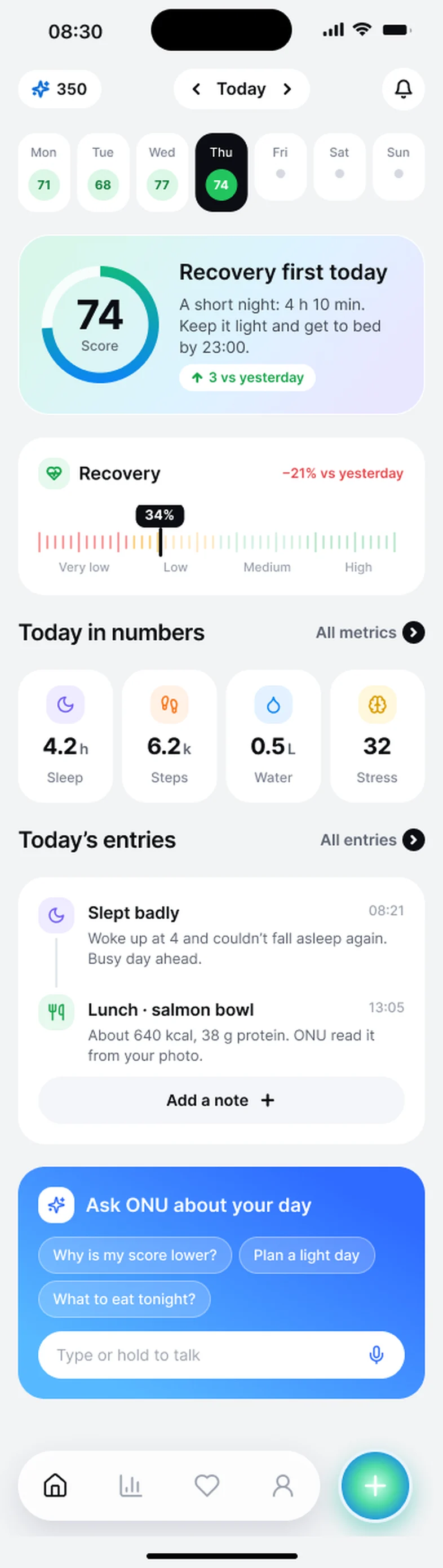
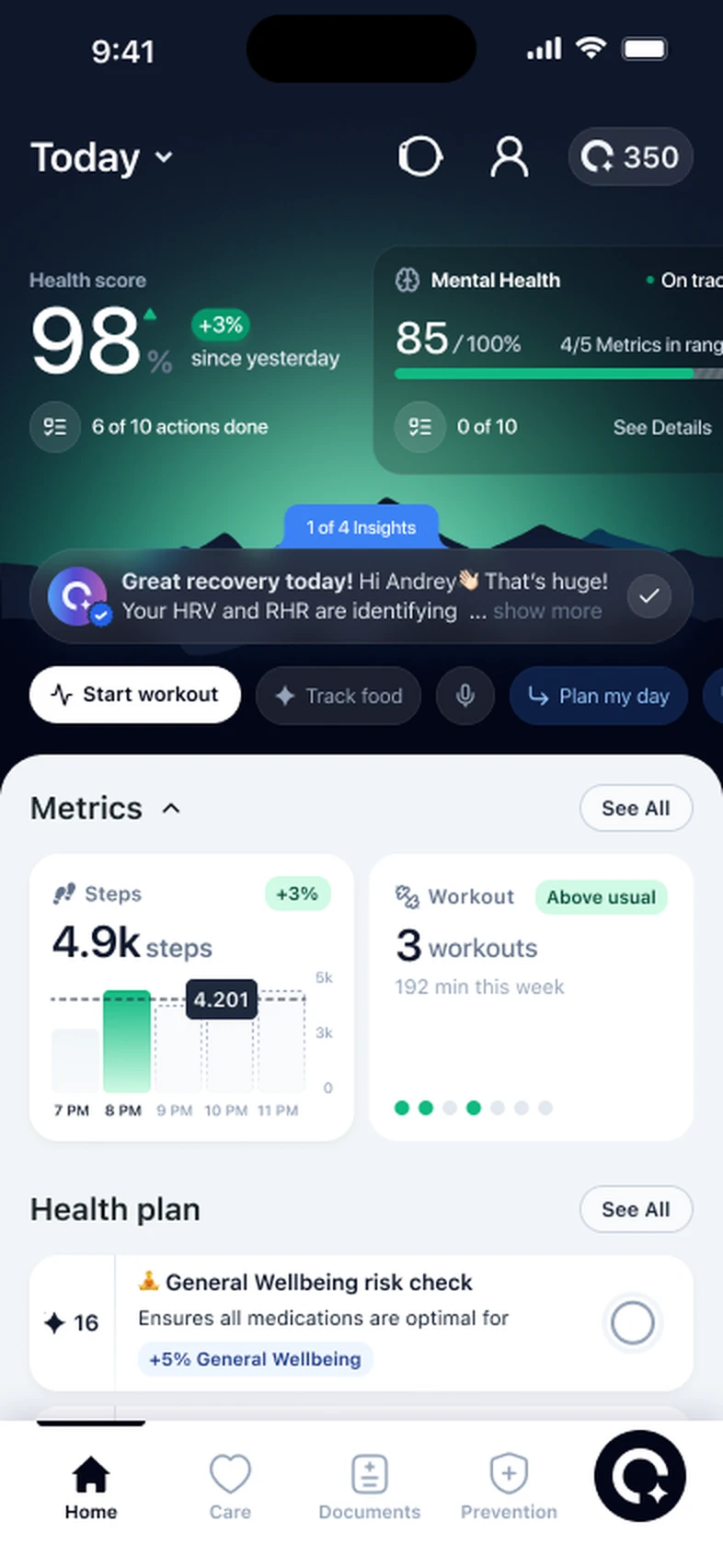
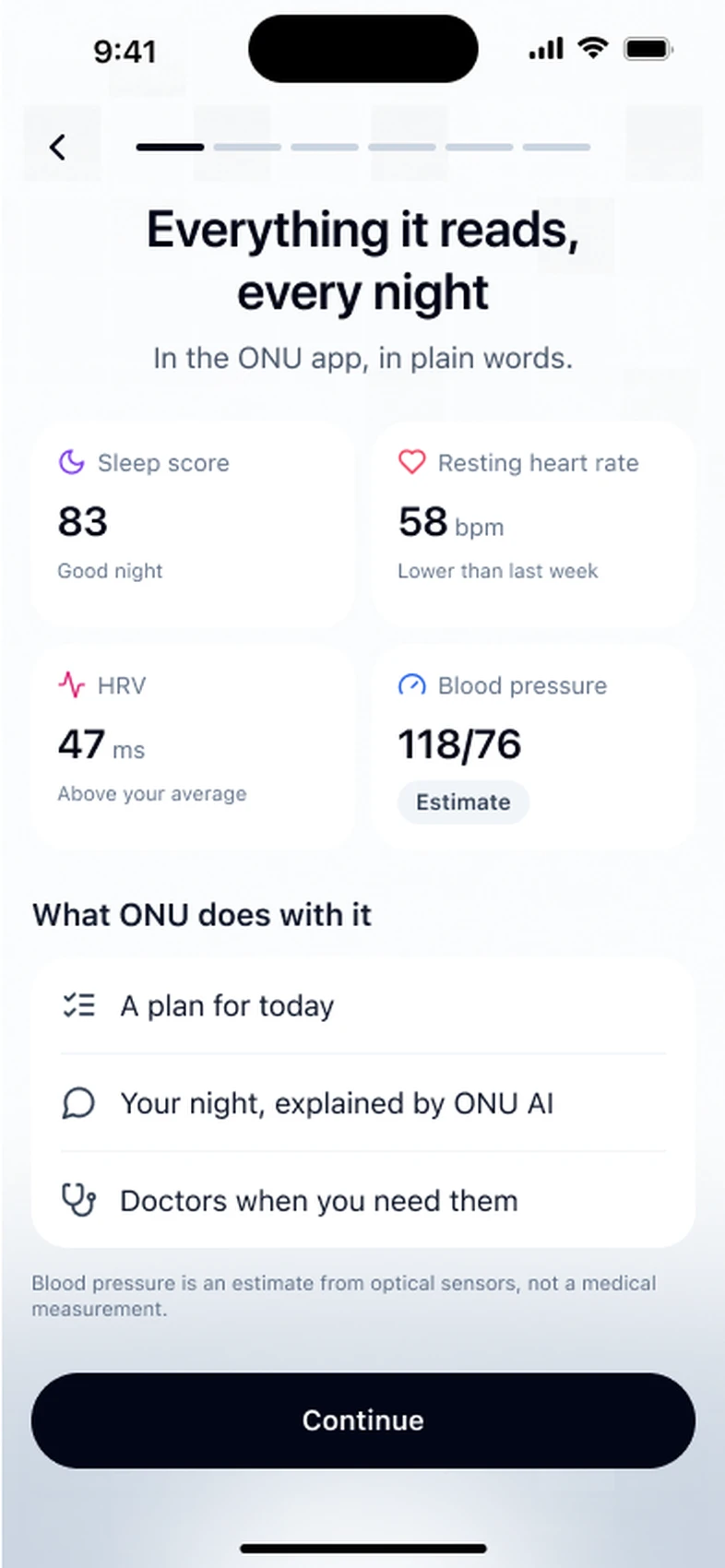
ONU keeps your sleep, recovery and activity trends together in a daily ONU Score compared with your own baseline, using the ONU Bracelet or the wearable you already have. That makes it easier to see whether short or broken nights line up with lower recovery, and to describe the pattern clearly. ONU is a wellness product. It cannot tell you why you are tired, and it does not replace a sleep study or a doctor.
Common questions
Can I have a good sleep score and still feel tired?
Yes. The score sums up a few device estimates. It cannot capture every cause of poor sleep or low energy.
Should I get blood tests if I am always tired?
Possibly. A clinician will decide which tests make sense after hearing your symptoms, medicines and history.
Is eight hours enough for everyone?
No single amount suits every adult. The CDC recommends at least seven hours for adults, and quality and regularity matter as much as the total.
Can stress make me tired even if I sleep well?
Yes. The NHS lists stress, worry and low mood among common causes of tiredness, and they can affect daytime energy as well as sleep.
Do naps help?
A short nap can help occasionally, but long or late naps can make night-time sleep harder. If you need naps every day, mention it to your clinician.
Could it be sleep apnoea if I am not overweight?
It can. Weight is one risk factor, but others include a large neck, older age, alcohol, smoking, enlarged tonsils and a family history.
What to do next
Sources and further reading
- CDC: About sleepcdc.gov
- NHS: Tiredness and fatiguenhs.uk
- NHS: Sleep apnoeanhs.uk
General educational information, not a diagnosis or a personal treatment plan. Device information is identified separately from independent health guidance. Speak to a qualified professional about anything that concerns you.