

Sleep and tiredness articles
 Written and medically reviewed by Dr. Kenji Watanabe, Sleep medicine
How much sleep do you need?
of sleep a day, according to the CDC. That is sleep, not time in bed.
Still tired after a full night?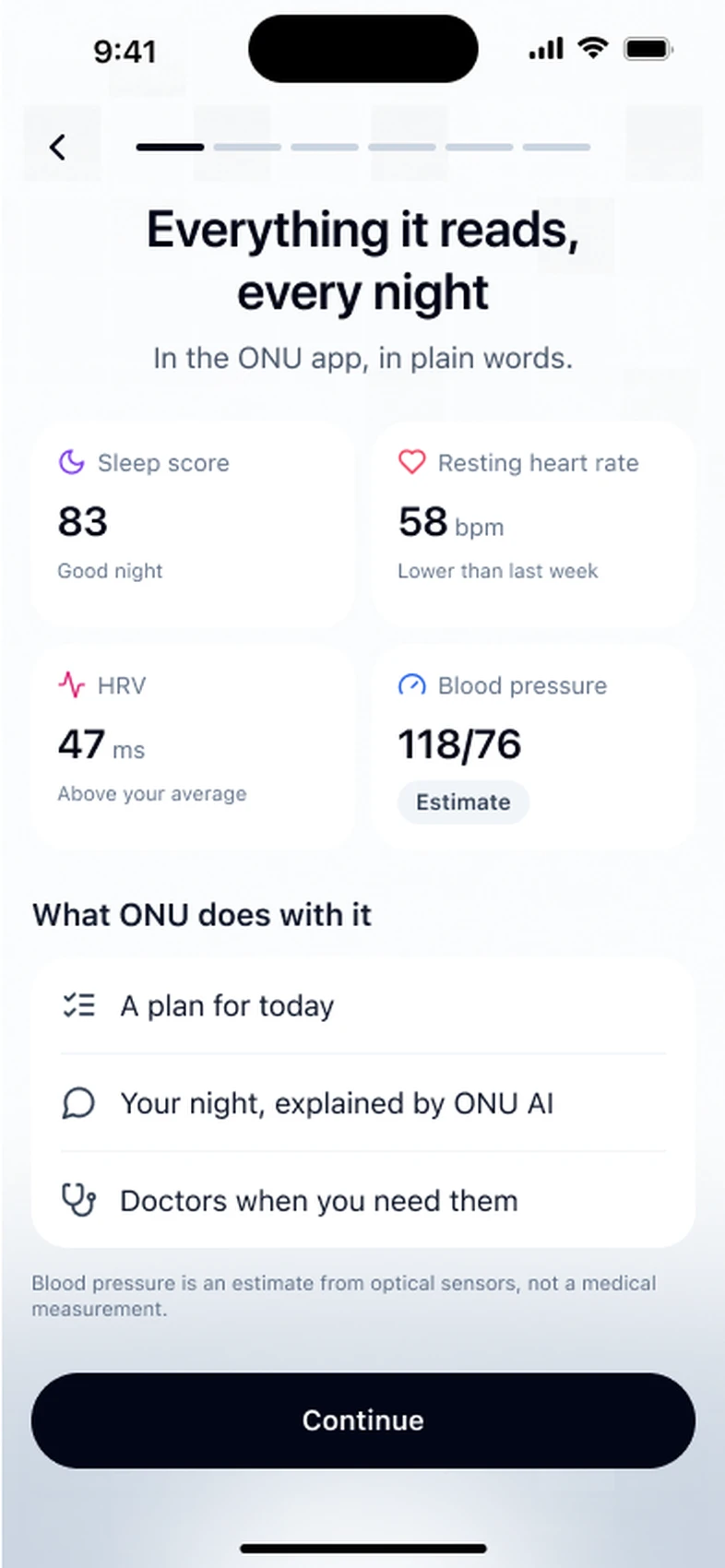 Dr. Kenji Watanabe9 min readSleepAlways Tired but Sleep 8 Hours? Reasons, Next StepsAlways tired but sleep 8 hours? Learn why time in bed is not the same as rest, the common causes, what to write down, and when to see a doctor.
 Dr. Kenji Watanabe7 min read
Start here: which article answers your question
Each article starts from a real question. Pick the one closest to yours.
- My sleep score dropped, or it disagrees with how I feel. Read Sleep score explained. It covers what goes into the number, which parts are least precise, and how to read a week of scores.
- I spend eight hours in bed and still wake up tired. Read Always tired after 8 hours of sleep. It separates sleepiness from fatigue, lists everyday and medical causes, and shows what to note before an appointment.
- Someone says I snore loudly or stop breathing at night. Both articles explain why that needs checking for sleep apnoea, and why a good score does not rule it out.
How much sleep you need, by age
Before you judge a night by its score, it helps to know the target. The CDC gives these amounts of sleep a day. They describe sleep, not time in bed, and for young children they include naps.
| Age | Recommended sleep a day |
|---|---|
| Newborns, 0 to 3 months | 14 to 17 hours |
| Infants, 4 to 12 months | 12 to 16 hours, including naps |
| Toddlers, 1 to 2 years | 11 to 14 hours, including naps |
| Pre-school, 3 to 5 years | 10 to 13 hours, including naps |
| School age, 6 to 12 years | 9 to 12 hours |
| Teenagers, 13 to 17 years | 8 to 10 hours |
| Adults, 18 to 60 years | 7 hours or more |
| Adults, 61 to 64 years | 7 to 9 hours |
| Adults, 65 and older | 7 to 8 hours |
Amount is only half of it. The CDC describes good sleep as uninterrupted and refreshing, and lists trouble falling asleep, waking repeatedly in the night and feeling sleepy or tired even after enough sleep as signs of poor sleep quality. If those sound familiar, always tired after 8 hours of sleep is the article to read first.
What these sleep and tiredness articles agree on
Time in bed is not time asleep. The minutes you spend drifting off and the times you wake in the night count as time in bed, not sleep. If you are in bed for eight hours but awake for one of them, you are getting seven, and a broken seven at that. The CDC recommends at least seven hours a night for adults aged 18 to 60, and describes good sleep as uninterrupted and refreshing.
A sleep score is a summary, not a measurement. Each brand builds it from its own mix of ingredients, such as total sleep, efficiency, restfulness, timing and sleep stages,. The most dependable parts are how long you slept and how regular your timing was. Stage estimates are the weakest: Oura reports that in a study of 35 adults its third-generation ring matched a sleep lab about 92 percent of the time for sleep versus wake, but about 76 percent of the time across all four stages.
How you feel during the day is the real result. If you feel foggy on a day the score says 88, believe yourself. The NHS lists poor sleep, stress, low mood, hormonal changes, recent illness and some medicines among everyday causes of tiredness, along with conditions such as sleep apnoea, iron deficiency anaemia, diabetes and an overactive thyroid.
Small changes worth trying this week
Keep one wake-up time
The CDC's first piece of advice is to go to bed and get up at the same time every day, weekends included. It anchors your body clock.
Protect the last hour
The NHS suggests a dark, quiet, cool bedroom, no food, caffeine or exercise in the last couple of hours, and screens away for the last hour before bed.
Change one thing at a time
Move your last coffee to before lunch, or move your phone out of the bedroom. One change at a time lets you see what actually helped.
Keep a short diary
For a week or two, note your bedtime, how long you took to fall asleep, wake-ups, naps, caffeine, alcohol, medicines and shifts. It turns a vague complaint into a clear pattern.
Read the week, not the night
Compare one week's average with the week before. If checking your score in bed makes you anxious, look once a week instead.
Caffeine, alcohol, screens and late meals
These four come up in almost every sleep diary, and they are the easiest to test one at a time.
Caffeine. The CDC advises avoiding caffeine in the afternoon or evening. If you drink coffee, tea, cola or energy drinks after lunch, try moving the last one earlier for a week and see whether falling asleep gets easier.
Alcohol and large meals. The CDC also advises avoiding large meals and alcohol before bedtime. A drink can make you drowsy, but many people notice they wake more in the second half of the night, and a wearable often shows it as a higher resting heart rate and lower HRV the next morning.
Screens. The CDC suggests turning off electronic devices at least 30 minutes before bed. If you read your sleep score in bed and it makes you tense, that counts too.
Movement and the room. Regular exercise and a quiet, relaxing, cool bedroom are on the CDC's list as well. None of these is a cure for a sleep disorder, but they are the fair first test before you look for anything else.
How ONU tracks sleep, and what it cannot tell you
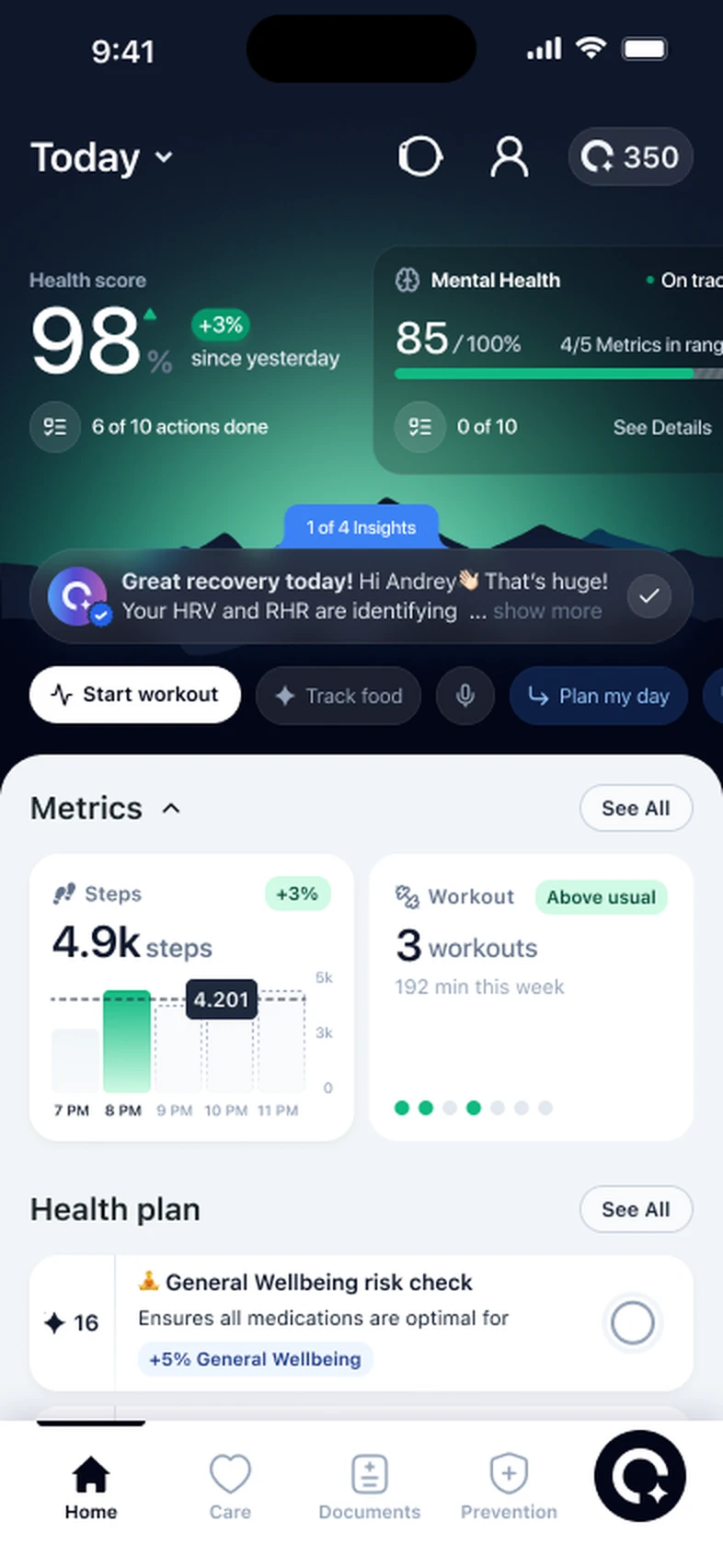
The ONU Bracelet has no screen and no notifications, so nothing lights up or buzzes at night. It tracks sleep alongside heart rate variability, resting heart rate, recovery and activity. If you already wear WHOOP or Garmin, ONU reads them directly, and Apple Watch and Oura reach it through Apple Health on iPhone.
Sleep goes into one daily ONU Score with your recovery signals and activity, compared with your own baseline, with weekly and monthly trends and one small suggested step a day. Sleep score explained describes how that differs from reading a sleep score on its own.
The limits are the same as for any wearable. It estimates sleep from movement and heart signals, not brain activity, so stage estimates are the least precise part. It cannot diagnose insomnia or sleep apnoea, and a good score never outranks loud snoring, gasping at night or how you feel during the day. ONU is a wellness product, not a medical device.
When to see a doctor about sleep or tiredness
See a GP if you have felt tired for a few weeks and do not know why, if it is affecting your daily life, or if it comes with other symptoms such as weight loss, mood changes, or gasping, snorting or choking noises in your sleep. The NHS lists frequent waking, morning headaches, mood changes and extreme daytime tiredness among the signs of sleep apnoea.
Bring your diary and medicine list. Do not drive or use machinery when you cannot stay alert. Chest pain, severe breathing difficulty or fainting need urgent care, whatever your score says.
Questions people ask
- Can I have a good sleep score and still feel tired?
- Yes. The score sums up a few device estimates. How you feel during the day matters more.
- Can I compare sleep scores across devices?
- Not directly. Each brand uses different ingredients and weightings, so the same night can produce different numbers.
- Can a sleep score detect sleep apnoea?
- No. Loud snoring, gasping and pauses in breathing need a proper assessment, even if your score looks good.
- Should I get blood tests if I am always tired?
- Possibly. A clinician will choose tests after hearing your symptoms, medicines and history.
- Why is my score lower at weekends?
- Later bedtimes, lie-ins and alcohol often shift timing and break up sleep. A steady wake time usually helps.
Get to know a healthier you.
Bring your everyday signals and health information into a clearer picture.