Platelets help your blood clot
The platelet count is part of a full blood count (MedlinePlus).
 Written and medically reviewed by Dr. Arup Sen, Consultant physician, internal medicine
The low platelet count meaning, in short: you have fewer of the tiny blood cells that help your blood clot than your lab expects. MedlinePlus gives a typical platelet count of 150,000 to 400,000 per microliter, or 150 to 400 × 10⁹/L, and calls anything below 150,000 low. Your lab report shows the range your lab uses, so read your number against that first.
Typical platelet ranges
The platelet count is part of a full blood count (MedlinePlus).
The NHLBI gives 150,000 to 450,000 for adults. Labs vary.
MedlinePlus says below 50,000 the risk of bleeding is higher, and even everyday activities can cause bleeding.
Platelets are small blood cells. The NHLBI says they clump together to form a clot and seal wounds. Without enough of them, a small cut can keep bleeding, or you can bruise without knowing why.
The platelet count measures how many platelets are in a sample of your blood. MedlinePlus says it is often part of a full blood count (complete blood count) during a routine check-up, alongside haemoglobin and white blood cells.
There are also platelet function tests, which check how well platelets work rather than how many there are. MedlinePlus says these are used for specific reasons, such as before complex surgery or to check blood thinners.
The NHLBI says your spleen normally stores about one-third of your platelets. That is why an enlarged spleen can lower the number in your bloodstream.
MedlinePlus groups the causes into three: the bone marrow not making enough platelets, platelets being destroyed in the bloodstream, and platelets being destroyed or held in the spleen or liver. Specific causes the NHLBI and MedlinePlus list:
The NHLBI says a low count can be inherited or acquired, and sometimes the cause is not known.
The NHLBI says bleeding causes the main symptoms. Signs it and MedlinePlus list:
MedlinePlus calls a count of 400,000 per microliter or above thrombocytosis. Possible causes it lists include iron deficiency, recent infection, major surgery or trauma, inflammatory conditions such as inflammatory bowel disease and rheumatoid arthritis, some cancers, spleen removal and bone marrow conditions such as polycythaemia vera.
MedlinePlus says people with very high counts may be at risk of blood clots or bleeding. Symptoms of a high count it lists include numbness in the hands and feet, headache, dizziness, weakness, and pain, swelling or warmth in the lower legs. If iron deficiency is a possible cause, your doctor may check your iron stores.
A low count is called thrombocytopenia. Mild cases often cause no symptoms and are found on a routine blood test, the NHLBI says. Lower counts can make you bruise or bleed more easily. The cause can be a passing virus, a medicine, pregnancy or something that needs more tests.
This page explains what platelets do, what low and high counts can mean, what to watch for and what you can do. It explains the marker in general. It does not interpret your own result.
These are the ranges the sources give. Your lab report shows the range your lab uses, and that is the one your result should be read against.
| Result | Per microliter | × 10⁹/L | Source |
|---|---|---|---|
| Normal range | 150,000 to 400,000 | 150 to 400 | MedlinePlus |
| Normal range (adults) | 150,000 to 450,000 | Not given | NHLBI |
| Low (thrombocytopenia) | Below 150,000 | Below 150 | MedlinePlus |
| Higher bleeding risk | Below 50,000 | Below 50 | MedlinePlus |
| High (thrombocytosis) | 400,000 or above | 400 or above | MedlinePlus |
Sources: MedlinePlus (Platelet count) and NHLBI (Thrombocytopenia). The two sources give slightly different upper limits, which shows why your own lab's range matters most. MedlinePlus says ranges can vary slightly between labs.
Treatment depends on the cause. The NHLBI says mild cases may need none, and a fully normal count is not needed to prevent serious bleeding. If a medicine is the cause, stopping it under medical advice usually helps. Other options include steroids, medicines that raise platelets and, for heavy bleeding, transfusions. These are everyday steps to talk through with your doctor.
The NHLBI says your provider may advise avoiding strenuous exercise and contact sports. Walking, stationary cycling or strength training may be suggested instead.
Bring a list of everything you take. MedlinePlus says aspirin and ibuprofen affect how platelets work. Ask your doctor or pharmacist which painkillers are safe for you.
The NHLBI says alcohol can damage the bone marrow. Ask your doctor whether you should cut down.
Keep an eye out for new bruises, pinpoint red spots, nosebleeds or blood in urine or stools, and tell your doctor.
If a virus or pregnancy is the likely cause, your doctor may simply recheck the count later.
See your GP or doctor if your platelet count is outside your lab's range and nobody has talked it through with you, or if you notice bruising, pinpoint red spots, nosebleeds, bleeding gums or heavy periods that are new for you.
Bleeding that will not stop is an emergency. The NHLBI says call 9-1-1 if you have bleeding that does not stop when you apply pressure. In the UK, call 999. Elsewhere, call your local emergency number. Blood in your stools or dark, tarry stools also need prompt medical attention.
The NHLBI says thrombocytopenia can be life-threatening, especially with serious bleeding or bleeding in the brain, so early treatment matters.
ONU does not sell lab tests and does not interpret your results. ONU is a wellness product, not a medical device.
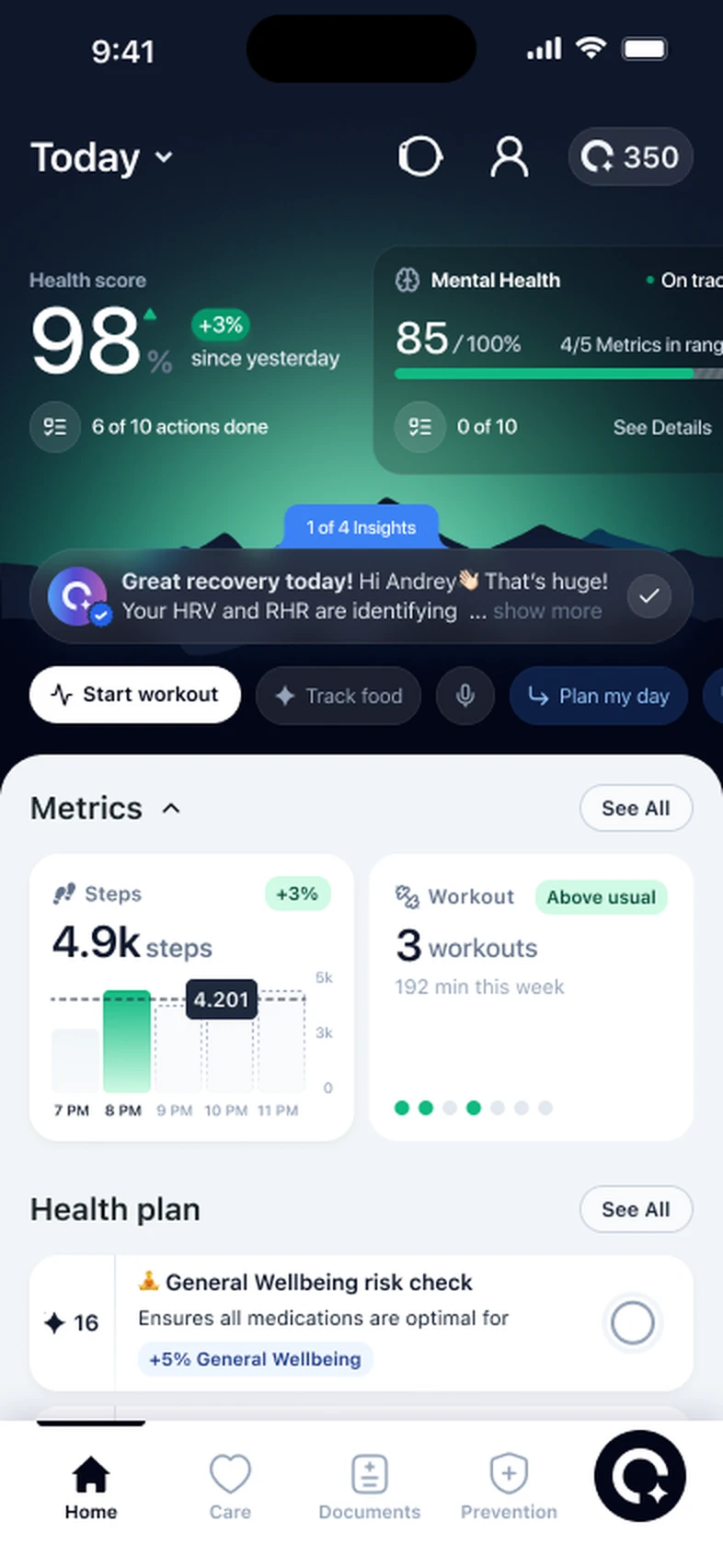
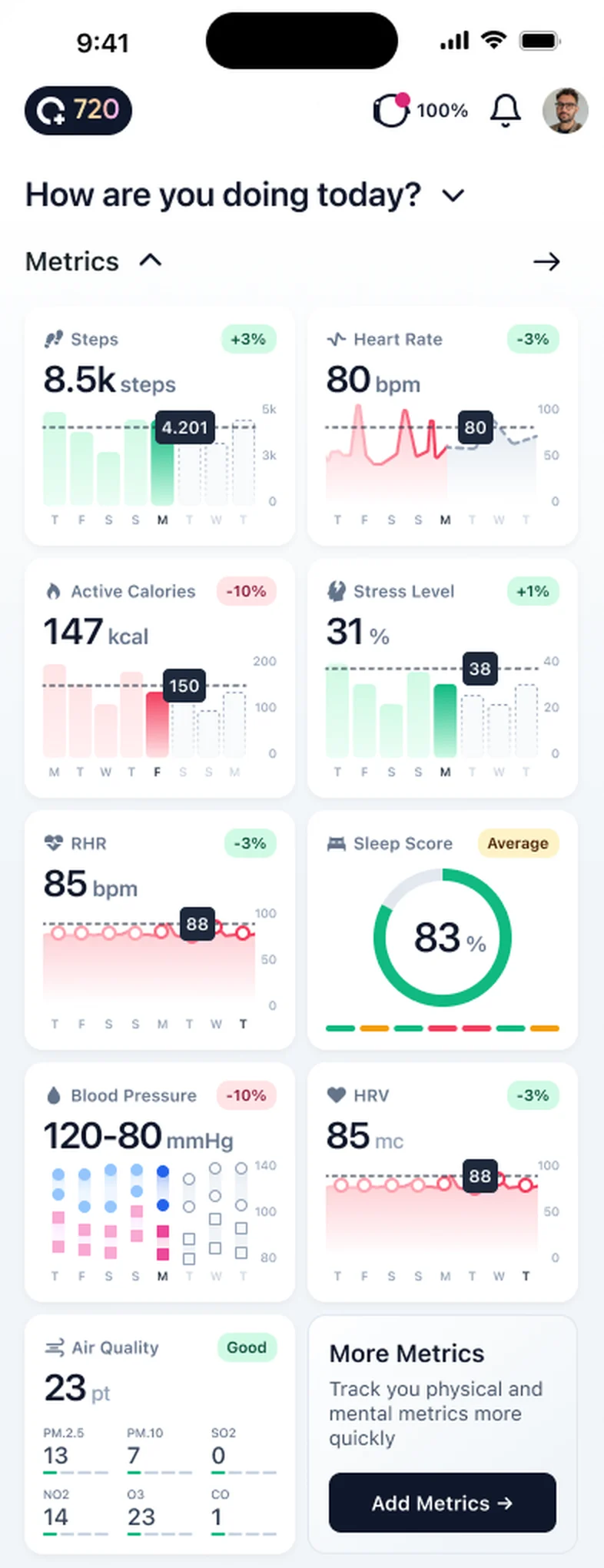
In the ONU app for iPhone, you can upload your lab reports and keep them in one place. Your blood count then sits next to your daily ONU Score and your sleep, recovery and activity trends. If your doctor plans to recheck your platelets in a few weeks, both results are easy to find side by side.
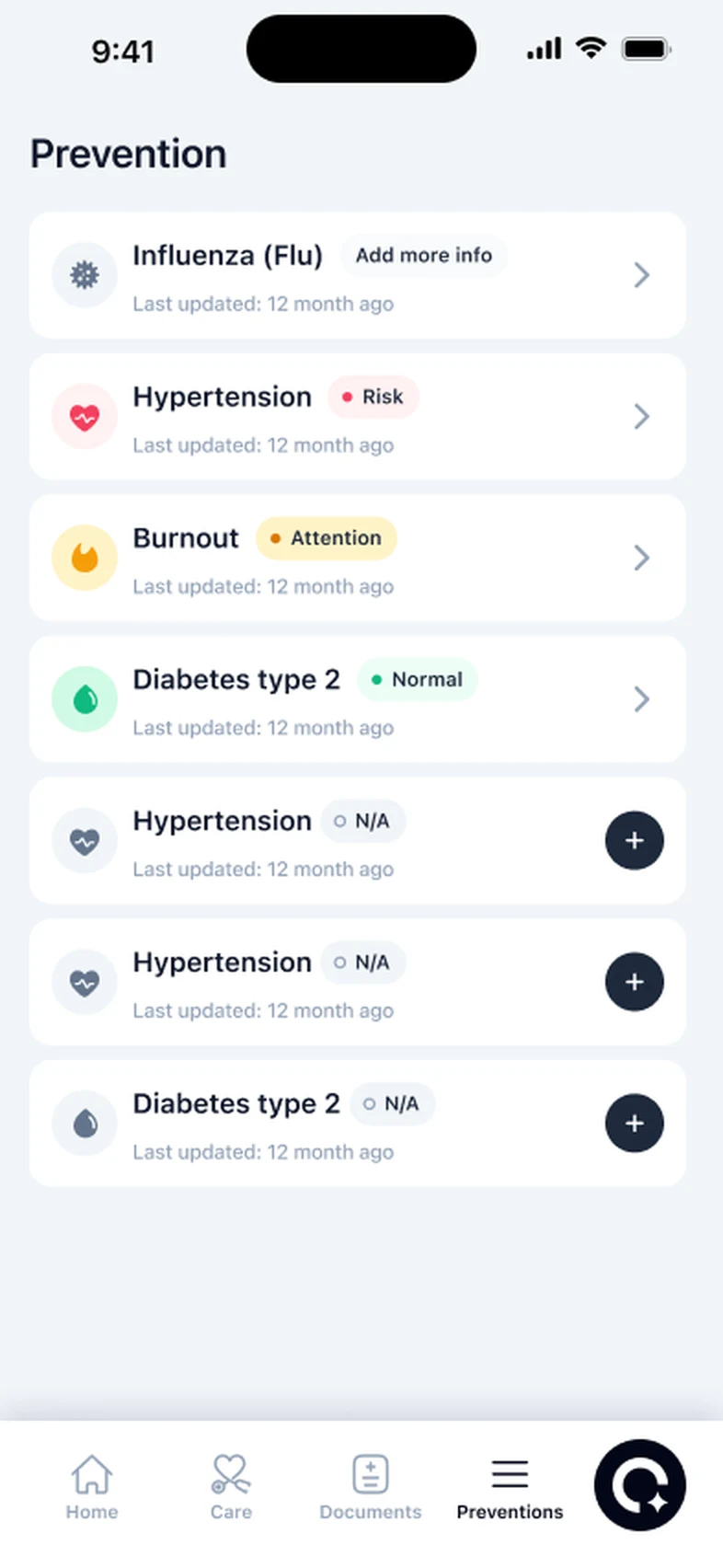
Our free prevention checks cover eight areas, including anaemia, and each ends with a summary to take to your doctor. For the rest of your report, see blood test results explained.
Bring your everyday signals and health information into a clearer picture.