Fluid in the abdomen has causes worth naming.
Ascites is fluid collecting in the abdominal cavity. It is most often a consequence of liver disease, but heart failure, kidney disease and some cancers cause it too. It is usually noticed as a waistband that stops fitting, or as swelling that arrives over weeks rather than hours.
Worth answering if your abdomen has been swelling, if you have a known liver condition, or if you are preparing for an appointment about either.
- A waistband or belt that has stopped fitting over weeks, with no change in what you eat
- A feeling of fullness or pressure, worse after meals
- Swelling in the ankles at the same time
- Getting breathless lying flat, or needing more pillows
- Weight climbing faster than food alone would explain
New or rapidly worsening abdominal swelling, especially with fever, breathlessness or confusion, is a same-day matter for a doctor, not a questionnaire.
Three steps, in the order a clinician takes them.
- 1
The history comes first
How quickly the swelling arrived, whether the ankles swelled too, what you drink, what medicines you take, and any known liver, heart or kidney condition. Most of the narrowing-down happens here, before any test.
- 2
Then an examination and an ultrasound
A clinician can often detect fluid by examining the abdomen, and an ultrasound both confirms it and looks at the liver. It is quick and painless.
- 3
Then blood tests, and sometimes a sample of the fluid
Liver and kidney bloods, clotting and albumin. Where the cause is not obvious, a small sample of the fluid is drawn with a needle and analysed — that is what distinguishes the causes from one another.
You walk away with a page you can hand over.
About a minute. It asks about your history only, scores it the way the source document scores it, and gives you the answers back as something worth mentioning, worth bringing and worth asking — in a file you can download. It is not a diagnosis, and it does not predict anything.
Take the questionnaire- When you first noticed the swelling, and how fast it has changed
- Your weight now and, if you know it, a few weeks ago
- Every medicine and supplement, including anything bought over the counter
- An honest account of alcohol, because it changes what gets tested first
The ascites questionnaire
Nine questions about liver, heart and kidney history. Ascites — fluid collecting in the abdomen — almost always follows something else, and these are the conditions the model weighs.
- 9questions
- a minute.to finish
- Nothing savedanswers stay in this tab
This is the questionnaire domain of ONU’s own model, not a diagnosis and not a probability. Ascites is confirmed by examination and imaging, not by a set of questions.
Straight answers, including the awkward ones.
Is ascites the same as bloating?
No. Bloating comes and goes over hours and is usually gas or bowel content. Ascites is fluid in the abdominal cavity, it builds over weeks, and it does not settle overnight. If the swelling is still there in the morning and is getting worse week by week, it needs a clinician rather than a diet change.
Does ascites always mean liver disease?
No. Liver disease is the most common cause, but heart failure, kidney disease, infection and some cancers all produce ascites, and the treatment differs completely. That is why the cause is established rather than assumed — usually with an ultrasound and a sample of the fluid.
How urgent is it?
New abdominal swelling should be seen within days, not months. Swelling with fever, sudden severe abdominal pain, breathlessness or confusion is a same-day matter — those can indicate infection of the fluid or a decompensating liver.
Can this questionnaire tell me whether I have it?
No, and it does not try to. It is the self-answerable history domain of a risk model, transcribed as written. It organises what you have noticed into something a clinician can work from quickly. Ascites is confirmed by examination and imaging, never by a questionnaire.
One domain of a larger model.
This is one of two domains. The other is eleven blood markers a clinician interprets, so the full score cannot be produced here.
Questionnaire source: Ascites.docx — questionnaire domain, negative impact
Independent health information: NIDDK: Symptoms and causes of cirrhosis. This source explains the condition; it does not validate the questionnaire as a diagnostic test.

Weight and metabolic health
Weight on its own explains very little. Alongside movement, sleep and what you eat, it starts to describe something useful.
Read the area
Heart and circulation
Cardiovascular risk is the most studied prevention area in medicine — and the one where a made-up number does the most harm.
Read the area
Jaundice
Worth answering if you or someone you look after has noticed yellowing, dark urine or pale stools, and wants to arrive at an appointment with the history already straight.
Open the check
Crohn’s disease
Worth answering if you have had months of abdominal pain, diarrhoea, weight loss or fatigue and are trying to describe it accurately to a clinician.
Open the check
Ulcerative colitis
Worth answering if you have had weeks or months of bloody or urgent diarrhoea and want the history in one place before a referral.
Open the checkA questionnaire is a snapshot. A night is not.
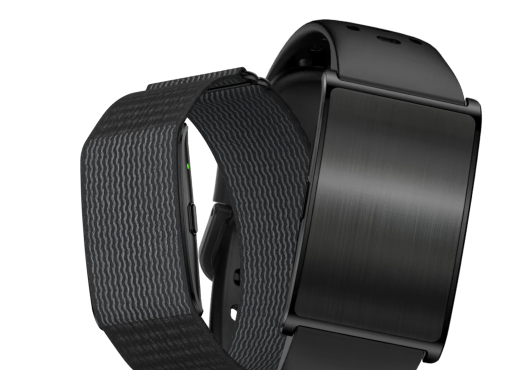
This was your history, written down once. The bracelet is the part that keeps watching — sleep, resting heart rate, temperature and movement, night after night, in one place.