Yellowing is the visible end of something upstream.
Jaundice is a yellow tint to the skin or the whites of the eyes caused by bilirubin building up in the blood. The causes run from harmless and inherited to urgent, and the history — travel, medicines, alcohol, pain, stool and urine colour — is a large part of how the cause gets narrowed down.
Worth answering if you or someone you look after has noticed yellowing, dark urine or pale stools, and wants to arrive at an appointment with the history already straight.
- A yellow tint to the whites of the eyes, usually before the skin
- Urine darker than usual, sometimes the colour of tea
- Stools that have gone pale or clay-coloured
- Itching without a rash
- Tiredness, loss of appetite, or a dull ache under the right ribs
Jaundice with fever, severe abdominal pain or confusion needs urgent medical attention today. Fill this in afterwards, not instead.
Three steps, in the order a clinician takes them.
- 1
The history is doing most of the work
Recent travel, new medicines or supplements, alcohol, pain, fever, stool and urine colour, and whether anyone in the family has had the same. These separate a blocked bile duct from liver inflammation from an inherited cause — long before the results come back.
- 2
Blood tests establish the pattern
Bilirubin, liver enzymes, and clotting. The pattern of which enzymes are raised says whether the problem is the liver itself or the drainage from it, which decides what gets imaged.
- 3
Then imaging, if the bloods point that way
An ultrasound looks for a blockage in the bile ducts and at the liver and gallbladder. Further imaging follows only when that first scan raises a question.
You walk away with a page you can hand over.
About two minutes. It asks about your history only, scores it the way the source document scores it, and gives you the answers back as something worth mentioning, worth bringing and worth asking — in a file you can download. It is not a diagnosis, and it does not predict anything.
Take the questionnaire- When you or someone else first noticed the yellowing
- The colour of your urine and stools, and when that changed
- Every medicine, herbal remedy and supplement started in the last three months
- Recent travel, and any known hepatitis exposure or vaccination
The jaundice questionnaire
Fourteen questions about liver, blood and medication history — the things that change which test a clinician would reach for first.
- 14questions
- two minutes.to finish
- Nothing savedanswers stay in this tab
This is the questionnaire domain of ONU’s own model, not a diagnosis and not a probability. Jaundice is confirmed by a blood test and examination, not by a set of questions.
Straight answers, including the awkward ones.
Is jaundice always serious?
It always deserves an explanation. The causes run from harmless and inherited — Gilbert syndrome, which raises bilirubin slightly and needs no treatment — to a blocked bile duct that needs attention within days. The history and a set of blood tests separate these quickly, which is why the answer is a clinician rather than waiting to see.
What does it mean if my stools are pale and my urine is dark?
That combination suggests bile is not reaching the bowel — the pigment that normally colours stool is being passed in urine instead. It points towards an obstruction in the drainage from the liver rather than a problem in the liver itself, and it is a reason to be seen promptly.
When is yellowing an emergency?
Jaundice with fever, severe abdominal pain, vomiting, confusion or drowsiness needs urgent medical attention the same day. Those can indicate infection in an obstructed bile duct or acute liver failure.
Can I tell the cause from the shade of yellow?
No. Shade reflects how high the bilirubin is, not where it came from. Nobody can read the cause off the colour — that takes blood tests and usually an ultrasound.
One domain of a larger model.
This is one of two domains. The other is eight blood markers a clinician interprets, so the full score cannot be produced here.
Questionnaire source: Jaundice.docx — questionnaire domain, negative impact
Independent health information: NHS: Jaundice. This source explains the condition; it does not validate the questionnaire as a diagnostic test.

Weight and metabolic health
Weight on its own explains very little. Alongside movement, sleep and what you eat, it starts to describe something useful.
Read the area
Ascites
Worth answering if your abdomen has been swelling, if you have a known liver condition, or if you are preparing for an appointment about either.
Open the check
Crohn’s disease
Worth answering if you have had months of abdominal pain, diarrhoea, weight loss or fatigue and are trying to describe it accurately to a clinician.
Open the check
Ulcerative colitis
Worth answering if you have had weeks or months of bloody or urgent diarrhoea and want the history in one place before a referral.
Open the checkA questionnaire is a snapshot. A night is not.
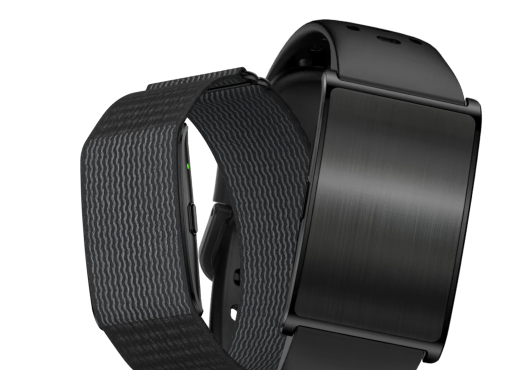
This was your history, written down once. The bracelet is the part that keeps watching — sleep, resting heart rate, temperature and movement, night after night, in one place.