






















ONU Health

Health library

CONDITIONS AND AREAS

Seventeen subjects.
Each with a check of its own.

Every one of these pages says what the condition is, what a clinician actually does next, and what to take to an appointment — and ends with a short questionnaire you can answer yourself. None of them is a diagnosis.

The eight prevention areas

A woman at a breakfast table with yoghurt, a bowl of berries, fruit and coffee.

Type 2 diabetes

Type 2 diabetes develops quietly, often over a decade. The everyday habits that shape it are the ones you can still change.

Explore this area · About three minutes. Your answers stay in this tab.
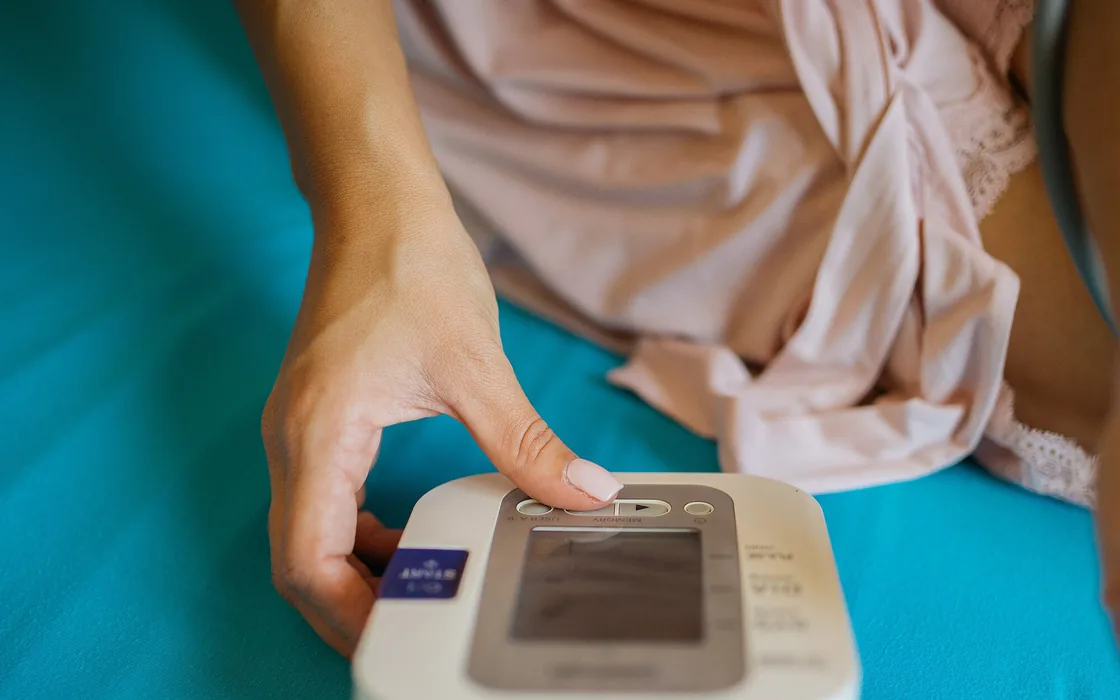
A woman pressing the button on a home blood-pressure monitor, the cuff on her upper arm.

Blood pressure

Blood pressure moves all day. What matters is the pattern across several readings — and most people never put theirs together.

Explore this area · Under a minute, if you have your readings to hand.
A thoughtfully prepared meal in a calm home setting.

Weight and metabolic health

Weight on its own explains very little. Alongside movement, sleep and what you eat, it starts to describe something useful.

Explore this area · About three minutes.
A woman walking away along a tree-lined path in dappled afternoon light.

Heart and circulation

Cardiovascular risk is the most studied prevention area in medicine — and the one where a made-up number does the most harm.

Explore this area · About a minute.
A bowl of green salad on a wooden table beside a bottle of olive oil.

Cholesterol and lipids

A lipid panel is one of the cheapest, most informative tests there is. Most people get one and never find out what it said.

Explore this area · About three minutes.
A portrait of a woman in daylight, turned slightly, her neck and shoulders in frame.

Thyroid

Thyroid problems are common, easy to test for, and easy to miss — because the symptoms look like ordinary life.

Explore this area · About a minute and a half.
An adult resting at a kitchen table in afternoon light.

Anaemia and iron

Low iron is one of the most common reasons people feel persistently drained — and one of the most straightforward to identify.

Explore this area · About a minute.
A closed laptop and glasses set aside at the end of a workday.

Stress and burnout

Burnout is an occupational phenomenon, not a medical diagnosis. Naming it accurately is what makes it possible to act on.

Explore this area · About a minute.

Nine conditions

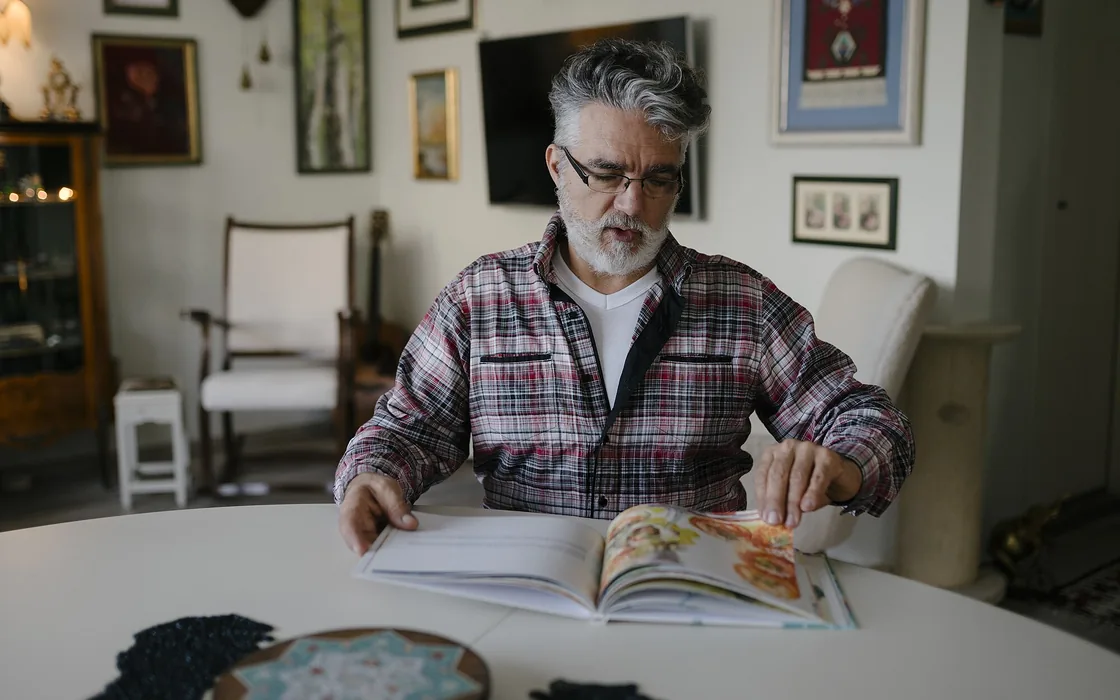
A man in his sixties sitting at a table at home, reading, in soft daylight.

Ascites

Worth answering if your abdomen has been swelling, if you have a known liver condition, or if you are preparing for an appointment about either.

Start the check · About a minute.
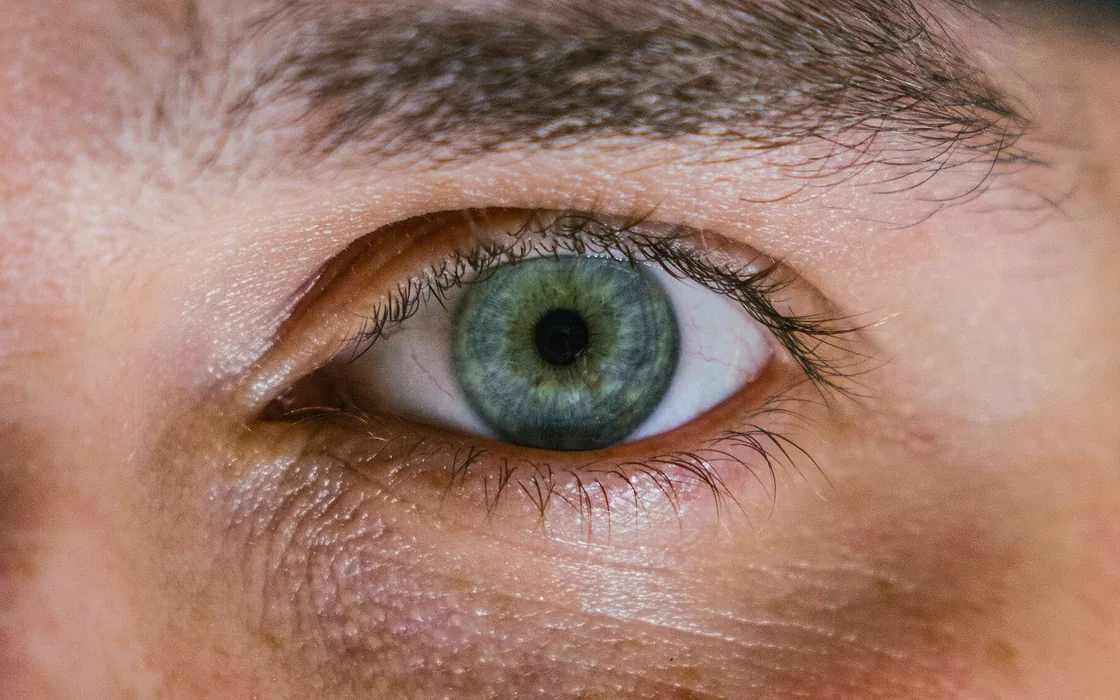
A close-up of a human eye, the white of it clear and evenly lit.

Jaundice

Worth answering if you or someone you look after has noticed yellowing, dark urine or pale stools, and wants to arrive at an appointment with the history already straight.

Start the check · About two minutes.
Hands writing in an open notebook on a wooden table, beside a cup of coffee.

Crohn’s disease

Worth answering if you have had months of abdominal pain, diarrhoea, weight loss or fatigue and are trying to describe it accurately to a clinician.

Start the check · About a minute.
A bright hospital waiting area with rows of empty chairs and two people passing through.

Ulcerative colitis

Worth answering if you have had weeks or months of bloody or urgent diarrhoea and want the history in one place before a referral.

Start the check · Under a minute.
A halved red onion, herbs, parsnip and peppercorns on a wooden chopping board.

Irritable bowel syndrome

Worth answering if your gut symptoms have run for months, come and go with stress or food, and you want to describe the pattern accurately.

Start the check · About a minute and a half.
Two pairs of hands at a table, one passing a blister pack of tablets to the other.

Gastrointestinal bleeding

Worth answering for a history of intermittent or past bleeding you are taking to an appointment.

Start the check · About two minutes.
A woman standing at a tall window in a bright room full of plants and books.

Primary biliary cholangitis

Worth answering if you have had unexplained itching or fatigue for months, or a family history of autoimmune liver disease.

Start the check · Under a minute.
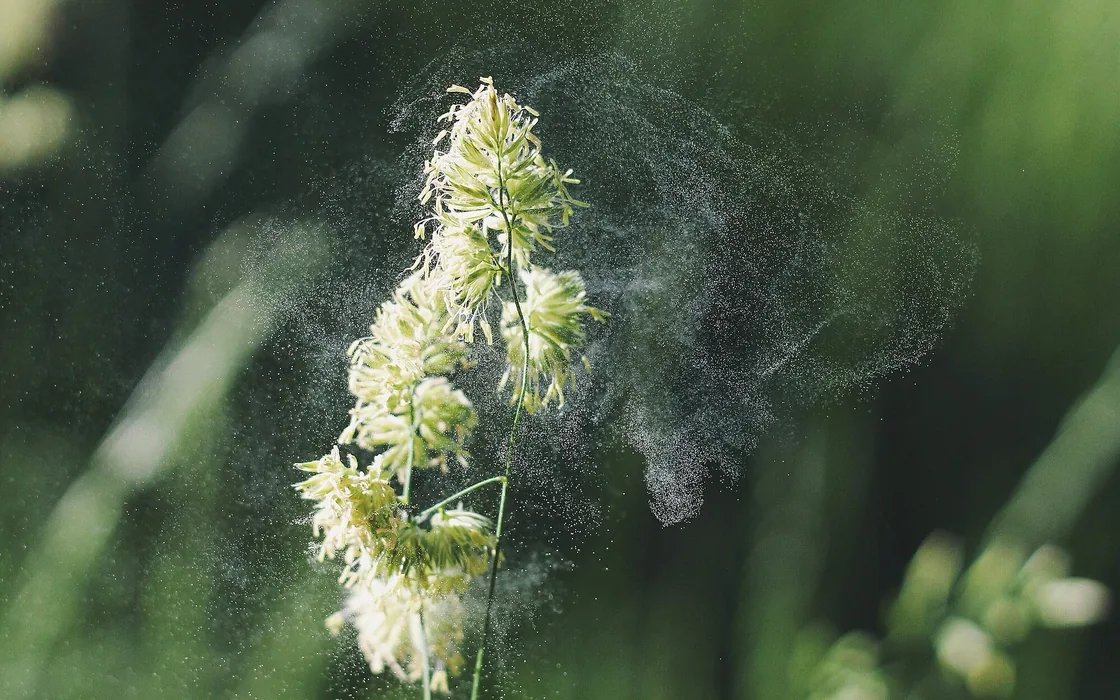
A head of cocksfoot grass releasing a visible cloud of pollen into the air.

Allergy

Worth answering if you get recurring reactions and want the pattern written down before allergy testing, rather than reconstructed in the room.

Start the check · About a minute and a half.
A clinician holding out the chest piece of a stethoscope, the room behind her out of focus.

Lipomas

Worth answering if you have found a soft lump and want to describe it precisely to a doctor.

Start the check · Under a minute.

Nothing you type into any of these checks is sent anywhere, saved to your browser, or attached to an account. Picture credits are on the credits page.

The knowledge collection

A good place
to begin.

Hands gently checking a wrist pulse.
FIELD NOTES · 01

Heart Rate Variability: What HRV Means & How to Use It

Learn what heart rate variability measures, why your baseline matters, what can change HRV, and how to interpret a low reading without chasing a score.

A sleep mask, bedside clock and diary on blue linen.
FIELD NOTES · 02

Sleep Scores Explained: Accuracy, Meaning & Limits

Understand how sleep scores are estimated, why a good score may not match how you feel, and how to use wearable sleep trends more effectively.

Gloved hands arranging capped sample tubes in a laboratory.
FIELD NOTES · 03

How to Read Blood Test Results: Ranges, Units & Flags

Learn how to read a blood test report, understand reference ranges and abnormal flags, compare results, and prepare useful questions for your clinician.

Morning light falling across an hourglass and fern.
FIELD NOTES · 04

Cortisol Explained: Symptoms, Testing & Stress Myths

Understand what cortisol does, why symptoms alone cannot diagnose high cortisol, how testing works, and what wearable stress scores can really tell you.

An adult resting at a kitchen table in afternoon light.
FIELD NOTES · 05

Always Tired? Understanding Fatigue & Low Energy

Explore persistent fatigue, how it differs from sleepiness, what to record, and when a healthcare review is more useful than another wearable score.

A closed laptop and glasses set aside at the end of a workday.
FIELD NOTES · 06

Burnout & Chronic Stress: Signs, Differences & Support

Understand burnout as a work-related phenomenon, how it differs from everyday stress, and practical ways to seek support and address ongoing demands.

Two generations walking together through an olive grove.
FIELD NOTES · 07

Biological Age Tests: Meaning, Limits & Healthy Ageing

Understand what biological age estimates measure, why different tests disagree, and how to focus on useful preventive health decisions.

A clinician listening during a routine health check.
FIELD NOTES · 08

Preventive Checkups: What to Discuss & How to Prepare

Prepare for a preventive health visit with a clear history, medication list, screening questions and a follow-up plan tailored to your circumstances.

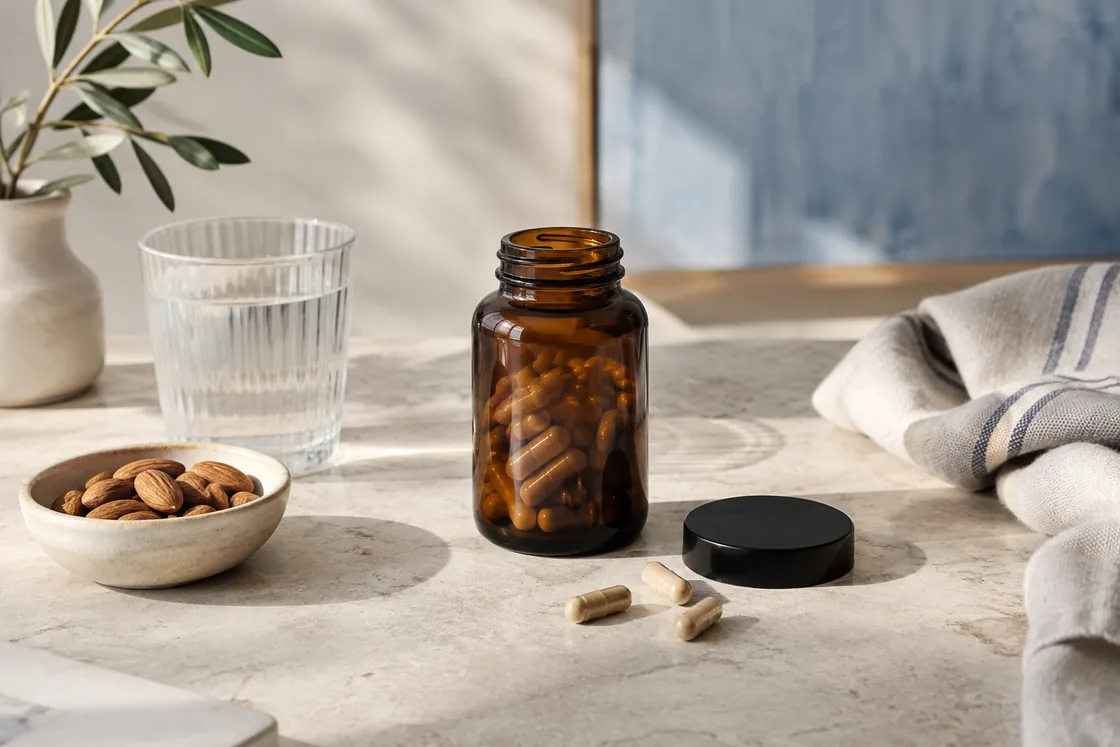
An unbranded supplement bottle beside almonds and water.
FIELD NOTES · 09

Supplements: Evidence, Labels, Interactions & Safer Choices

Learn how to assess supplement claims, read doses and ingredients, check interactions, and decide when testing or professional advice is more useful.

A walker pausing quietly on a park bench.
FIELD NOTES · 10

Resting Heart Rate Higher? Causes & Next Steps

Understand a rise in resting heart rate, check measurement conditions, recognize symptoms that need care, and compare trends without self-diagnosing.

An adult sitting on the edge of a bed in morning light.
FIELD NOTES · 11

Tired After 8 Hours of Sleep? Causes & Next Steps

Still tired after eight hours of sleep? Understand sleep quality, common causes of daytime fatigue, what to track, and when to seek medical advice.

A wave washing around a smooth stone on wet sand.
FIELD NOTES · 12

Acute vs Chronic Stress: Differences & Next Steps

How is acute stress different from chronic stress? Compare duration, common signs, what to track, and when ongoing stress calls for support.

Explore practical details
A CLOSER LOOK · Health library

See the whole picture.

What matters, what to check, and where to go from here.

  1. 01A LITTLE MORE CLARITY

    Find the explanation behind a measurement

    The library separates wearable estimates, laboratory reports and symptom questions. HRV and sleep-score articles explain consumer metrics; blood-result and cortisol articles explain test context; fatigue and stress resources help describe concerns without self-diagnosing. Begin with the question rather than a predicted condition.

    Explore ONU membership
  2. 02A LITTLE MORE CLARITY

    What a useful article contains

    Each revised health article has a direct answer, readable sections, practical next steps, common questions and source links. Device documentation is identified separately from independent health guidance. An organization author is not a claim that a clinician has reviewed your individual circumstances.

  3. 03A LITTLE MORE CLARITY

    Use the condition resources appropriately

    Condition pages and checklists can help organize observations and explain terminology, but cannot confirm or exclude a diagnosis. Do not treat a completed checklist as a clinical screening result. Keep the original reports and seek professional interpretation when a symptom or finding needs assessment.

  4. 04A LITTLE MORE CLARITY

    Build a question you can take to care

    Record what changed, when it began, how it affects your day and any relevant medicines or previous results. Separate personal observations from device estimates. A clear history is often more useful than another broad panel purchased without knowing how the result would change a decision.

    Explore Doctors & Care

YOUR NEXT STEP

Reflect on your routine in five questions.

Take your health check
Built around your privacy

Your health is personal.
It stays that way.

How ONU protects your data

Protected in transit and at rest

Health data is encrypted in transit and at rest, from your device to ONU’s systems.

Access with a purpose

Access to identifiable health data is limited to what’s operationally necessary.

Questions about your data?

See our Privacy Policy for how to request access, export or deletion.

A little more clarity. Every day.

Find a starting point
that feels like yours.

Reflect on sleep, stress, movement and energy in five questions.

Start your health check
A calm everyday scene with a healthy breakfast, water and walking shoes