Know how you really slept
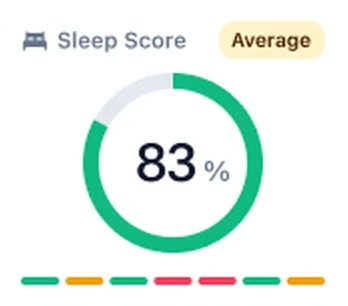
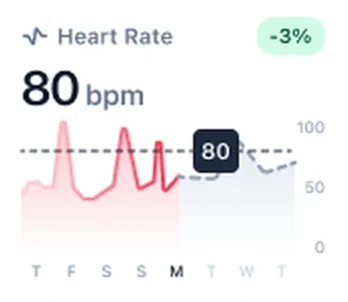
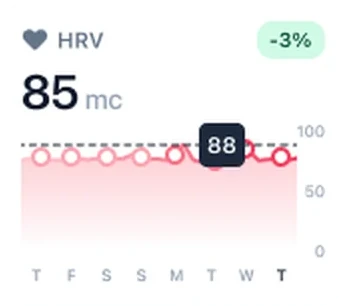
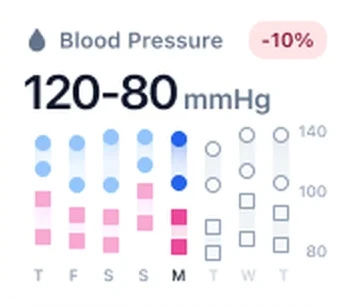
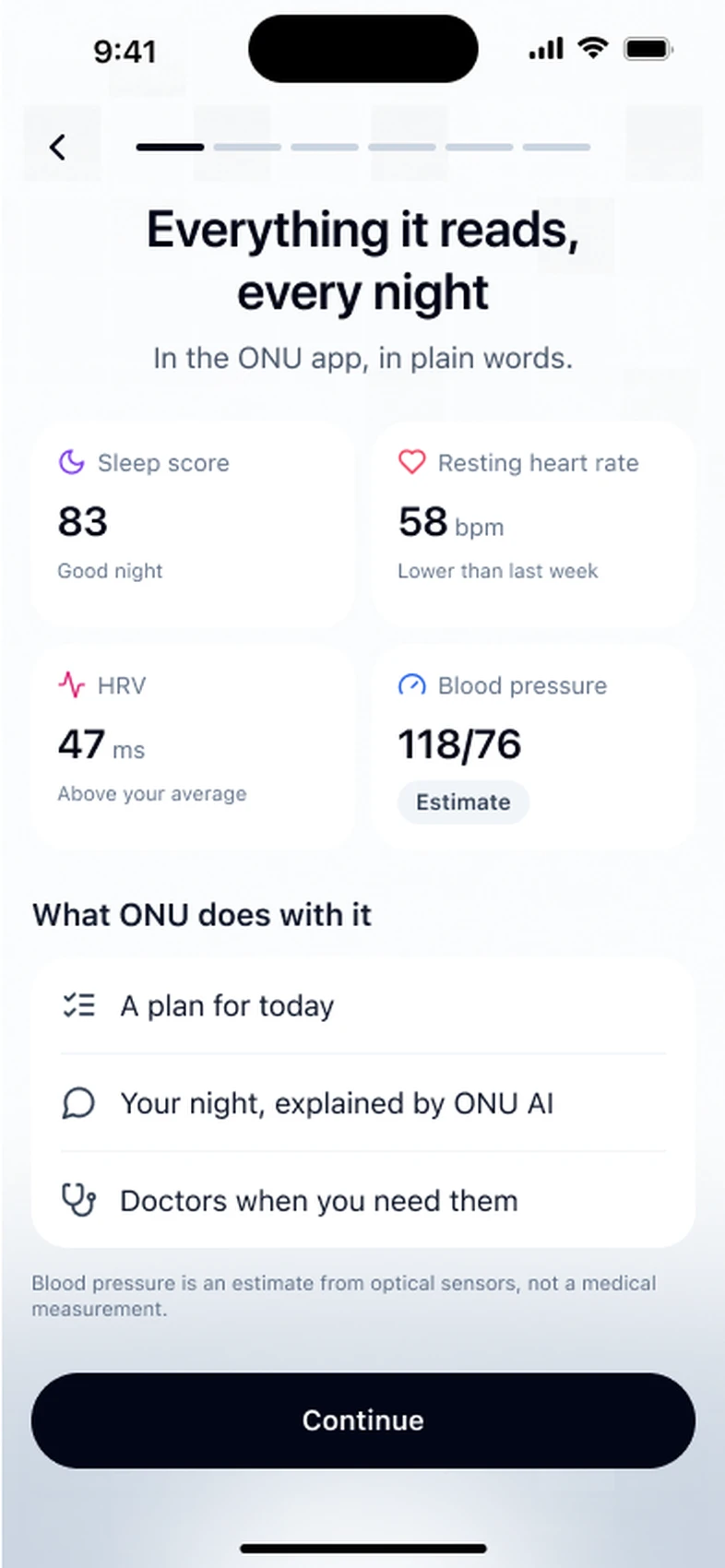
Wear it to bed and wake up to your night in plain words: a sleep score, resting heart rate, HRV and a blood pressure estimate, each read against your own normal.
ONU Bracelet
Know how you really slept, catch heart and blood pressure changes early, and talk to a doctor when you are unsure. No screen to wake you.
Get the bracelet with ONU ProNot for you? Return the bracelet within 30 days.
Most trackers compete for your attention. The ONU Bracelet does the opposite: it measures quietly, day and night, and the ONU app tells you what changed and what to do about it.
Wear it to bed and wake up to your night in plain words: a sleep score, resting heart rate, HRV and a blood pressure estimate, each read against your own normal.
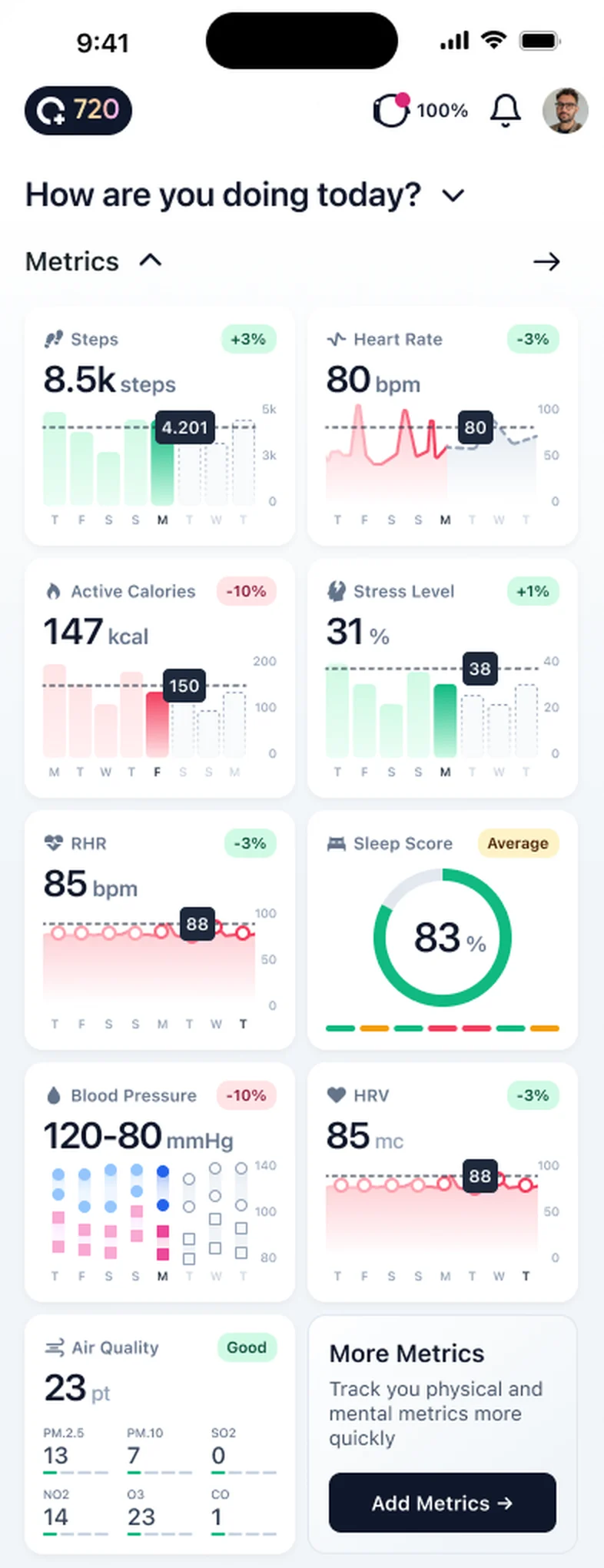
Heart rate, HRV, stress and steps through the day, with a notification when your heart rate or blood pressure runs high. You see a change before it turns into a bad week.
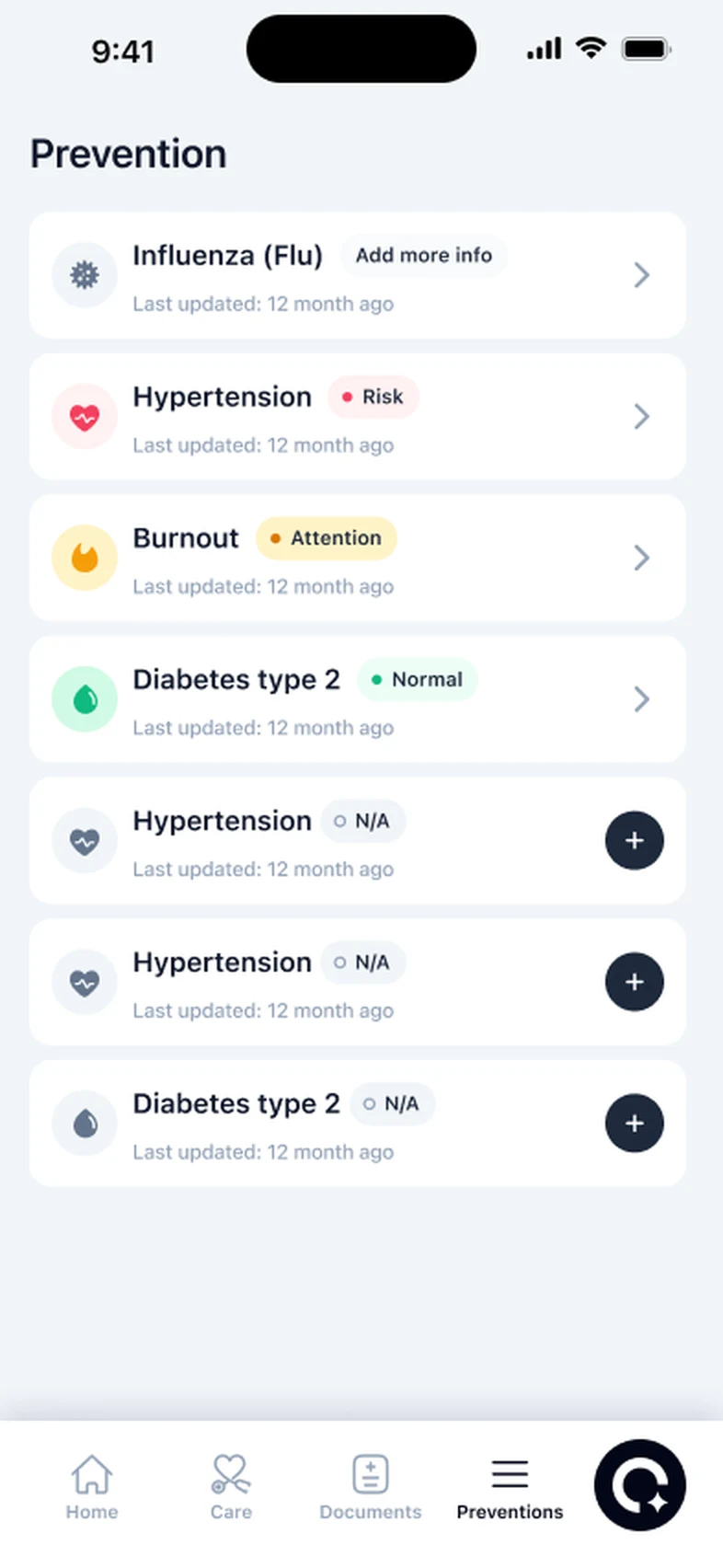
Pick what you want to prevent or manage, from high blood pressure to type 2 diabetes and burnout. ONU links each one to your bracelet data and marks it normal, attention or risk.
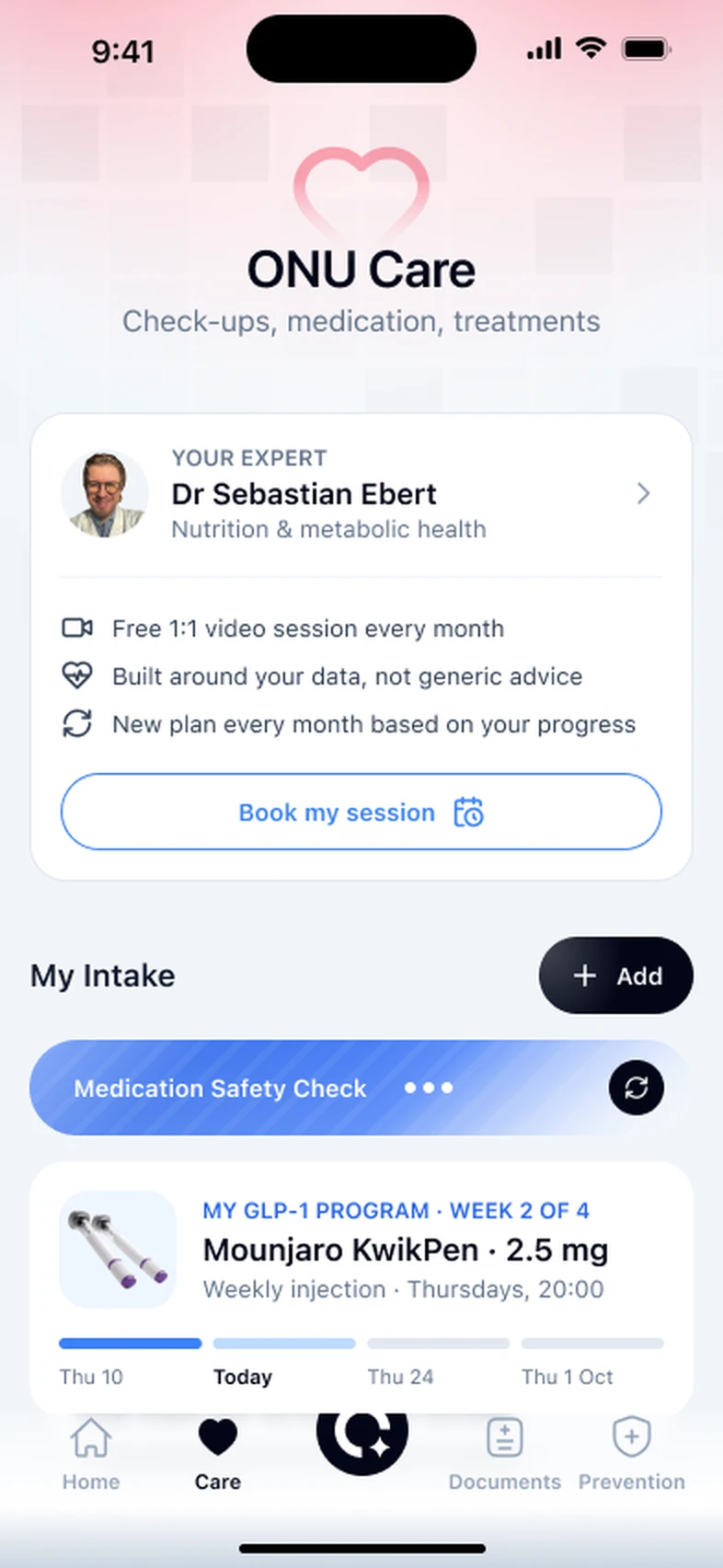
Don’t understand a number or what to do next? ONU Pro includes a call with a doctor who goes through your results with you.
No more FOMO
“ONU makes it really easy to see the risks coming.”
Irina S. · App Store, Germany · translated
Talk to a doctor
Don’t understand a result? Book a call with a doctor and have it explained in plain words.
A screen-free health tracker bracelet is for people who want the information without the interruptions. The ONU Bracelet has no screen and shows no messages or calls. It sits on your wrist, collects data while you sleep and go about your day, and you look at what it found when you choose to, in the ONU app.
It tends to suit a few kinds of people.
If you already wear an Apple Watch, Oura ring, WHOOP or Garmin, you may not need a bracelet at all. The ONU app reads from those through the integrations it supports.
The ONU Bracelet tracks sleep, heart rate variability (HRV), resting heart rate, recovery and activity. The app turns those into one daily number, the ONU Score, and compares it with your own baseline rather than with an average stranger. That matters because a good HRV for one person is a low one for another. Our guide to what a good HRV is explains why your own baseline is the useful comparison.
It is a wellness product, not a medical device. It does not diagnose, treat or prevent disease, and a good score never outweighs a symptom that worries you.
The bracelet collects. The app explains. That split is the whole design. A screen-free health tracker bracelet has nowhere to show you a number, so everything you see happens on your iPhone, at a moment you pick.
Most people settle into the same small rhythm. It takes a minute or two in the morning and almost nothing the rest of the day.
Your ONU Score for the day is waiting. It is one number built from last night's sleep, your recovery signals (heart rate variability and resting heart rate) and your recent activity, each compared with your own usual levels.
Under the score you can see which part pulled it up or down. A short night shows up in sleep. A late meal, a drink or a hard session often shows up in your recovery signals. A quiet day at a desk shows up in activity.
The app suggests one small step for the day. It is meant to be small enough to actually do: go to bed a little earlier, keep today's training easy, take a walk after lunch. One step, not a list.
The bracelet keeps collecting. It does not buzz, light up or ask for attention. You can open the app whenever you like, but you do not have to.
Once a week, look at the weekly view rather than the daily number. One bad night is noise. A week where your score sits lower than usual is a pattern worth noticing. Monthly trends show the slower changes, such as a new routine settling in.
The ONU app is iPhone only today. The bracelet needs the app to show you anything, so check you have an iPhone before you order.
You do not need to understand physiology to use the bracelet. It does help to know roughly what each number is, so that a change makes sense instead of worrying you. Here are the five things the bracelet tracks, described simply. None of them is a diagnosis on its own.
How long you slept and how settled the night was. The sleep part of your score looks at your night against your own recent nights. A late night, a noisy room, alcohol, a new baby or a stressful week can all show up here. Our guide to the sleep score goes into more detail.
Your heart does not beat like a metronome. The tiny differences in time between beats are your HRV. When you are rested, HRV tends to sit higher than your own usual. Poor sleep, illness, alcohol, hard training and stress tend to push it lower for a while. The number varies a lot from person to person, which is why your own baseline matters more than anyone else's. See what a good HRV is.
How fast your heart beats when you are fully at rest, usually measured overnight. It tends to be fairly stable for you. A rise of a few beats over your usual for several days is often linked to things like a short illness, alcohol, heat or stress. Our article on a resting heart rate that is suddenly higher covers the common causes and when to get checked.
Recovery is not a separate sensor. It is how the app reads your HRV and resting heart rate together against your baseline, as a sign of how ready your body seems for the day. Think of it as a weather report, not a verdict. A low recovery morning is a hint to go easier, not a rule.
How much you moved through the day. It counts walks, stairs and workouts without asking you to hit a target on a screen. In the score it is weighed against your usual, so a rest day after a busy week is not treated as failure.
Your baseline is simply your usual. The app learns it from your own nights and days, which is why the first couple of weeks feel a little vague. After that, every number is read against it.
This changes how you should react. A resting heart rate that would be ordinary for one person may be high for you. An HRV that looks low next to a friend's may be your normal. Comparing yourself with other people tells you very little. Comparing today with your own usual tells you something.
A few habits make the numbers easier to read.
A number never outweighs how you feel. If you have chest pain, fainting, severe breathlessness, or a racing or irregular heartbeat with any of those, get emergency help straight away. Our emergency information page explains where to go. If you have palpitations that last a long time, keep coming back or get worse, see a doctor, as the NHS advises.
Here is what living with it looks like. You put it on and forget about it. At your desk nothing buzzes. In a meeting nothing lights up. On a walk at lunch it counts the activity without asking you to close a ring.
At night you keep it on. It records how you slept and how your heart settled. In the morning you open the ONU app on your iPhone and see your ONU Score, how your sleep and recovery compare with your usual, and one small step for the day. That might be an earlier night, a lighter session or a short walk. Then you close the app and get on with your day.
Over a few weeks the weekly and monthly trends start to mean something. A late-night run of work shows up. So does a calmer week. You learn which habits move your numbers and which do not.
Real life moves your numbers. Here is what people often see in a few everyday situations, and a sensible way to respond. These are typical patterns, not rules, and your own may differ.
Alcohol often shows up the next morning as a higher resting heart rate, a lower HRV and a less settled night. That is your body working through it, not a fault in the bracelet. An easy day and an early night is usually the simple response.
Sleep shifts, meals move and you sit still for hours. Expect a few odd days. Keep wearing the bracelet so the app sees the whole trip, and look at the trend once you are home rather than judging each night away.
Some people notice their resting heart rate creeping up and their HRV dipping a day or two before they feel unwell. If that happens, rest is a reasonable response. If you feel ill, follow the usual advice and see a doctor if you are worried.
Several heavy sessions in a row can keep recovery signals lower than usual. That is expected. If they stay low for a long time, it may be a hint to add an easier week.
Broken sleep will pull your score down, and there is not much you can do about it. Use the trend to protect what you can, such as a nap or an earlier night when one is possible, and be kind to yourself about the rest.
Your sleep happens at different times on different days. Read the weekly view rather than the daily score, and compare like with like: a run of night shifts with your last run of night shifts.
Stress often shows up in your recovery signals and sleep before you admit it to yourself. The bracelet cannot fix the deadline, but seeing it can be the nudge to protect your evenings. Our article on acute vs chronic stress explains the difference.
Sometimes you wake up feeling great and the score is low. Sometimes the score is high and you feel flat. Both happen, and neither means something is broken.
The score is a summary of a few signals compared with your usual. How you feel takes in far more: mood, pain, hunger, what you have planned, the weather. When they disagree, how you feel wins for the day. Over weeks, the score is useful for spotting slow patterns you would not otherwise notice.
If you feel unwell, do not let a good score talk you out of seeing a doctor. And if your score is low but you feel fine, there is no need to cancel your plans. Just notice it and see whether it repeats.
Here is a realistic first month. It is not a programme. It is just what tends to happen when a baseline forms, so you know what to expect and when to start trusting the numbers.
Download the ONU app on your iPhone. If you already use Apple Health, WHOOP or Garmin, connect it. You start getting a feel for the app before the bracelet lands.
Set the bracelet up in the app and put it on. Wear it through the evening and keep it on in bed. That first night is the start of your baseline.
Open the app each morning and read the score, but do not act on it much yet. Notice how it reacts to obvious events: a late night, a drink, a long walk. This week is about learning what the app sees.
Your baseline is taking shape. Start trying the daily step. Keep a mental note, or a line in your phone, of anything unusual that day. Patterns begin to make sense when you can match them to real life.
Pick one habit to test. An earlier bedtime is a common first choice because sleep feeds every part of the score. Hold it steady for the rest of the month.
Open the weekly view. Compare this week with your first full week. You are looking for direction, not perfection. If something stands out that worries you, take the trend, not a single number, to your doctor.
Decide whether it suits you. If it does not, you are still within the 30-day returns window. Email support@onuhealth.com with your order reference to start a return.
The 30 days run from your delivery or order date according to our shipping and returns terms. If you are unsure, ask support early rather than late.
The bracelet does the collecting. A few habits on your side make what it collects easier to read.
There are two sensible ways to buy, and one way to pay twice by accident.
Over two years, annual ONU Pro is $299.98 with one bracelet included. Two years of monthly Pro is $407.76, plus $99 for the bracelet. See pricing for what each plan includes.
Prices change, so check each brand before you buy. At the time of our comparison pages:
A lower price is not the whole story. A watch does far more than a bracelet. The right choice depends on whether you want a screen at all.
A smartwatch and a screen-free bracelet solve different problems. Neither is better in general. One will be better for you.
A watch is a small computer on your wrist. It shows the time, messages and calls, and many models offer GPS, apps and payments. That is genuinely useful. It also means a screen that lights up, a stream of notifications and a pull to check it.
A screen-free bracelet does less on purpose. It tracks sleep, HRV, resting heart rate, recovery and activity, and then gets out of the way. You trade convenience for quiet.
| You want | Better fit |
|---|---|
| To see the time and messages on your wrist | Smartwatch |
| GPS for runs or rides without your phone | Smartwatch |
| Fewer interruptions through the day | Screen-free bracelet |
| Something you keep on overnight without a lit screen | Screen-free bracelet |
| A lower one-time price for the hardware | Screen-free bracelet ($99) |
| Apps, payments and calls | Smartwatch |
Many people use both: a watch by day, the bracelet for sleep. The ONU app can read from both. Our full comparison is at bracelet vs smartwatch.
We would rather you did not buy something that will end up in a drawer. The ONU Bracelet is probably not right for you if any of these is true.
The colour is the only option to choose, and it does not change what the bracelet does. Both track the same signals and work with the same app.
Some practical ways people decide:
If the colour is wrong, the normal 30-day returns apply. Email support@onuhealth.com with your order reference before sending anything back.
From the ONU store listing: up to 22 days of battery with normal use, about 45 minutes to a full charge, a 1 ATM water rating, no screen, and CE certification. It stores data on the bracelet when your phone is not nearby.
Sizes, weight, the full sensor list, accuracy figures and warranty length are not published on this page yet. If one of those decides it for you, email support@onuhealth.com before you order.
A short checklist. If you can tick every line, the bracelet is likely to suit you.
Shipping and any tax are shown before you pay, and your confirmation email holds the order reference you will need for anything later. Orders are processed in 1 to 3 business days. Delivery then usually takes 2 to 4 business days in Germany, 3 to 7 in the EU and 5 to 10 in the US. These are estimates, not guaranteed dates.
While you wait, download the ONU app on your iPhone and start with whatever you already have. When the bracelet arrives, set it up in the app and wear it through the night.
If it is not for you, you have 30 days to request a return, and EU customers also have a 14-day right of withdrawal. Email support@onuhealth.com with your order reference first and wait for instructions. Approved refunds are made within 10 business days. If it arrives damaged or in the wrong colour, keep the packaging and a photo. The full steps are on shipping and returns.
What the bracelet records is personal. Here is how ONU handles it, in plain terms.
Your health data is encrypted in transit and at rest. You choose which sources ONU can read, so connecting the bracelet does not mean connecting everything else on your phone. If you also link Apple Health, WHOOP or Garmin, you decide which of those the app sees.
Because the bracelet has no screen, nothing about your sleep or heart rate is visible on your wrist to anyone sitting next to you. The numbers live in the app on your phone.
For more on how we protect your information, see the privacy policy.
Daily signals tell you about sleep, recovery and activity. They do not tell you about cholesterol, blood sugar or thyroid levels. That is what blood tests and your doctor are for.
The ONU app lets you upload lab reports you already have, so your results sit alongside your daily trends in one place. ONU does not sell lab tests. Our guide to blood test results explains how to read a report in plain words.
The site also has free prevention checks for eight areas, including blood pressure, cholesterol, type 2 diabetes and stress and burnout. Each one ends with a summary you can take to a doctor. They are a calm way to decide what to ask about at your next appointment.
Wearable data can help a conversation with your doctor if you use it selectively. A few tips.
If something is not working as you expect, email support@onuhealth.com. Include your order reference if your question is about an order, and describe what you see in the app.
Please do not send card numbers, passwords or medical reports by email. For anything that is not about an order, use contact. Many common questions are also answered on the FAQ page.
Yes. The bracelet sends its data to the ONU app, and after the 3-day free trial the app needs ONU Pro: $16.99 a month, or $149.99 a year with the bracelet included.
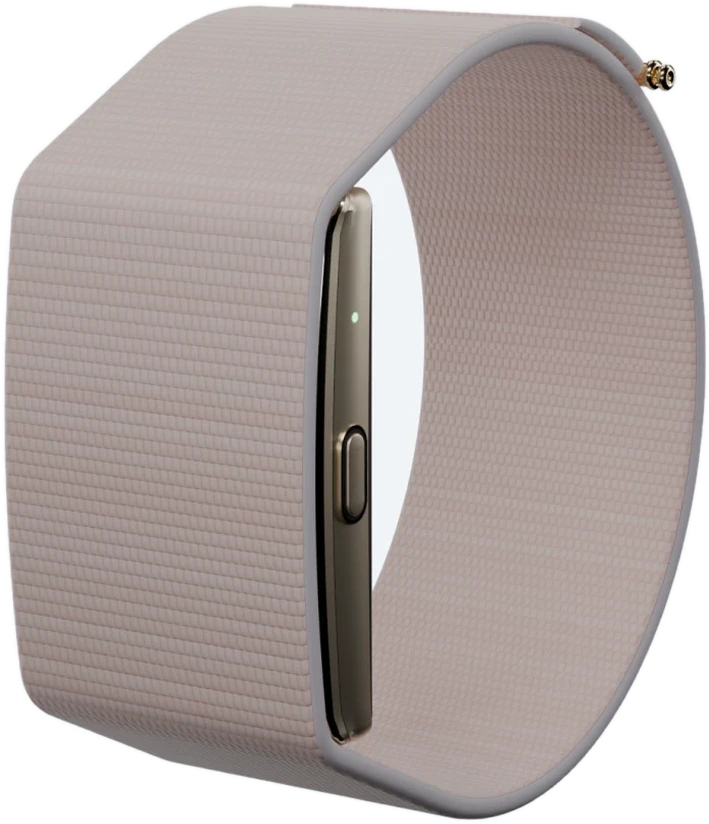
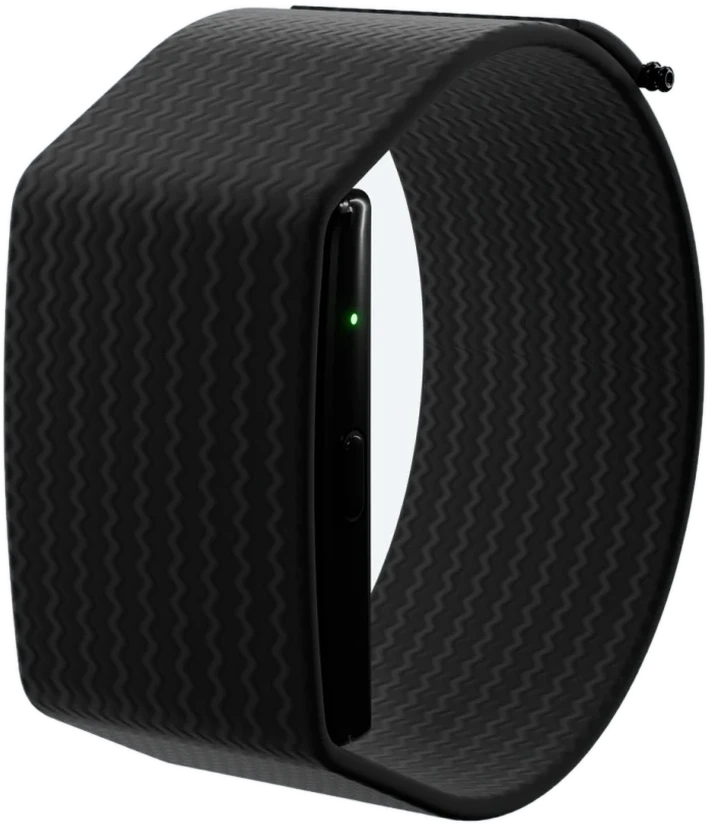
The ONU Bracelet comes in Noir and Beige.
It has no screen. It can notify you about things like high blood pressure, a high or low heart rate or low cardio fitness, and you read the details in the ONU app when you choose to.
Not today. The ONU app is available on iPhone only.
Not necessarily. The app can read from Apple Health, WHOOP and Garmin, and Apple Watch and Oura data can reach it through Apple Health on iPhone. Some people add the bracelet only because they prefer not to sleep in a watch.
No. ONU is a wellness product. It does not diagnose, treat or prevent disease. If something feels wrong, see a doctor whatever your score says.
No. Annual ONU Pro at $149.99 already includes one bracelet. Buying both separately means paying for a second bracelet.
Give it about two weeks of wearing it day and night. Your baseline needs time to form before changes stand out.
You get much more from it if you do. Sleep and overnight recovery signals are a large part of the ONU Score.
Up to 22 days with normal use after a full charge, up to 30 days in battery-saving mode, and a full charge takes about 45 minutes.
It is rated 1 ATM, which covers sweat, rain and handwashing. It is not made for swimming or submersion, so take it off for the pool or the sea.
Size and fit details are not published on this page yet. Ask support@onuhealth.com and we will help before you order.
Yes. You can wear a watch by day and the bracelet at night. The app can read from Apple Health and Garmin as well as the bracelet.
Every feature in the app: the daily ONU Score, sleep, recovery and activity insights, lab report storage, deeper biomarker insights and longer trends. New users get all of it free for 3 days.
Yes. Check the person has an iPhone first, because the app is iPhone only today. They will set it up in their own ONU app.
No. It can show that your numbers differ from your usual, which sometimes happens when you are coming down with something. It cannot diagnose anything. If you feel unwell, see a doctor.
Usually there is an ordinary reason such as alcohol, a late meal, heat, stress or a cold. If it stays raised for days with no clear reason, or you have symptoms, talk to a doctor. Get emergency help for chest pain, fainting or severe breathlessness.
You can show your doctor your trends in the app. Bring the weekly or monthly view rather than a single day, and say what you noticed.
No. You can upload lab reports you already have, and the app stores them alongside your daily data.
We do not publish warranty details on this page yet. Contact support@onuhealth.com with any question about it.
It is best not to. Your ONU Score is built from your own baseline, and sharing a bracelet mixes two people's data.
No. A few gaps are normal. Put it back on and the trend carries on. Just read the days around the gap with a little caution.
Sources: WHOOP announcement, 8 May 2025 (Business Wire) · WHOOP pricing roundup, 13 May 2026 (trackervs.com) · Oura membership · Apple Watch SE store page · ONU Health shipping policy · ONU Health refund policy · NHS: Heart palpitations
For general wellness. Not a medical device. Blood pressure readings are estimates and should not be used to change medication.
Not for you? Return the bracelet within 30 days.